
When you’re over 75 and have atrial fibrillation, your doctor might recommend a blood thinner. But then you hear about falls. A trip on the rug. A slip in the shower. Suddenly, the idea of taking something that makes you bleed more feels terrifying. Anticoagulants are often pulled from the prescription pad-not because the science says to, but because fear wins. The truth? For most seniors, the risk of a stroke far outweighs the risk of a fall.
Why Seniors Need Anticoagulants
Atrial fibrillation, or AFib, is a common heart rhythm problem in older adults. About 9% of people over 65 have it. That number jumps to nearly 24% for those 80 and older. When your heart beats irregularly, blood can pool and clot. Those clots can travel to your brain and cause a stroke. Without treatment, an 85-year-old with AFib has a 23.5% chance of having a stroke in a single year. That’s more than 1 in 5. Warfarin, the old-school blood thinner, cuts that risk by about two-thirds. Newer drugs-called DOACs (direct oral anticoagulants)-do even better in some ways. Apixaban reduces stroke risk by 21% compared to warfarin. Rivaroxaban cuts dangerous brain bleeds by 34%. And unlike warfarin, they don’t need weekly blood tests. The BAFTA trial, which looked at 819 seniors with an average age of 81.5, found that those on anticoagulants had a 52% lower risk of stroke or systemic embolism than those on aspirin. Aspirin? It only reduces stroke risk by about 22%. For seniors, anticoagulants aren’t just helpful-they’re life-saving.The Fall Fear: Real, But Misplaced
Yes, falls are dangerous. And yes, if you’re on a blood thinner and fall, you’re more likely to bleed badly. A Minnesota hospital study found that 90% of fall-related deaths in seniors involved either people over 85 or those on anticoagulants. That’s chilling. It’s why families panic. It’s why some doctors hesitate. But here’s what those numbers don’t tell you: the chance of having a stroke without treatment is still higher than the chance of dying from a fall while on anticoagulants. A 2023 analysis of 24,317 patients over 75 showed that even those who’d fallen multiple times still had a net benefit from anticoagulation. The same study found that the oldest patients-those 85 and up-gained the most from taking these drugs. The American College of Cardiology, American Heart Association, and Heart Rhythm Society all say: age and fall history alone are not reasons to skip anticoagulants. The Journal of Hospital Medicine even labeled stopping anticoagulants because of fall risk as “Things We Do for No Reason™.”DOACs vs. Warfarin: What’s Best for Seniors?
There are four main DOACs: apixaban (Eliquis), rivaroxaban (Xarelto), dabigatran (Pradaxa), and edoxaban (Savaysa). Each works differently, and each has trade-offs.- Apixaban is often the top pick for seniors. It has the lowest risk of major bleeding, especially in people over 75. In the ARISTOTLE trial, bleeding rates were 31% lower than with warfarin.
- Rivaroxaban cuts brain bleeds by 34% compared to warfarin. But it’s cleared mostly by the kidneys-so if kidney function drops, the dose needs adjustment.
- Dabigatran is 88% better than placebo at preventing stroke. But 80% of it leaves the body through the kidneys. If kidney function is poor, it can build up.
- Edoxaban has a slightly lower bleeding risk than warfarin, but like the others, it needs kidney monitoring.
Renal Function: The Silent Risk
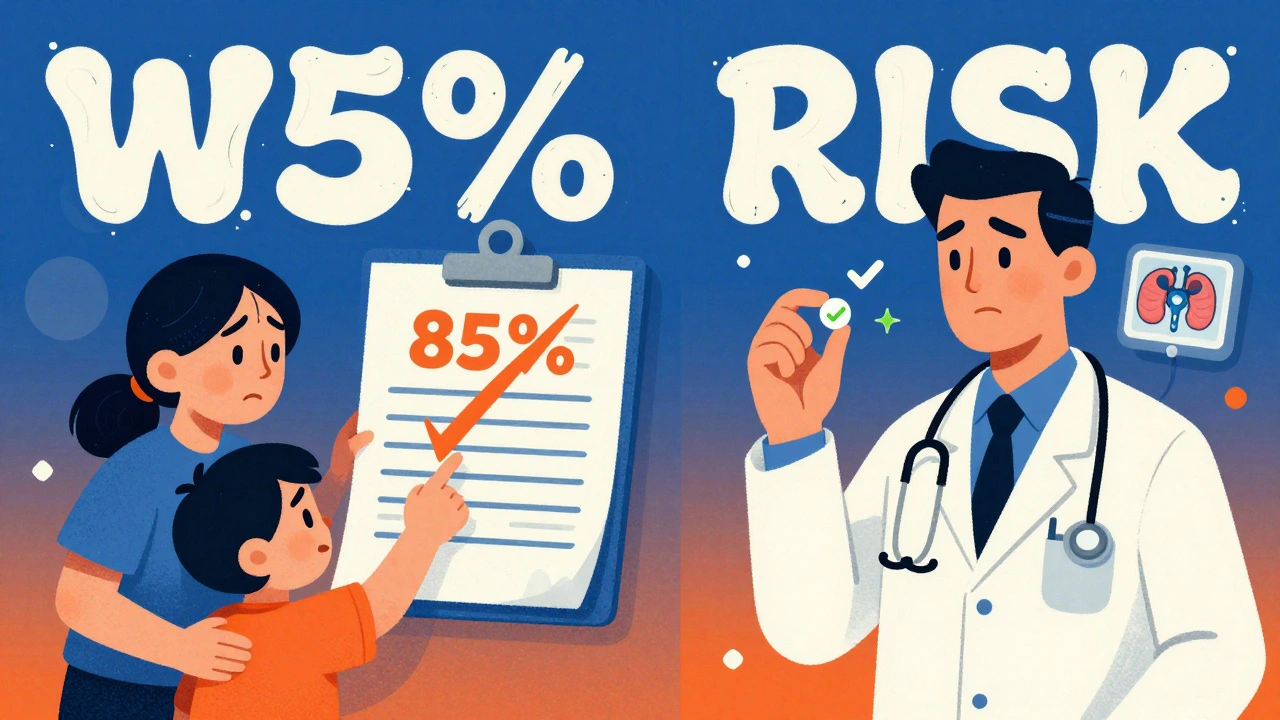
As we age, kidneys slow down. Creatinine clearance drops. That’s normal. But most DOACs depend on the kidneys to clear them from the body. If your kidneys aren’t working well, the drug can stay in your system too long-raising bleeding risk. That’s why doctors check kidney function every 6 to 12 months for patients on DOACs. If creatinine clearance falls below 50 mL/min, doses are often lowered. Apixaban is the most forgiving-only 27% is cleared by the kidneys. Rivaroxaban and dabigatran? Much higher. That’s why apixaban is often chosen for frail seniors with mild kidney decline. And yes, there are reversal agents now. Idarucizumab reverses dabigatran. Andexanet alfa reverses apixaban, rivaroxaban, and edoxaban. These aren’t magic bullets-they’re emergency tools. But they exist. That wasn’t true 10 years ago.How to Stay Safe While on Anticoagulants
You don’t have to live in fear. You can reduce fall risk while still protecting your brain.- Do a fall risk assessment. Use tools like the Morse Fall Scale or ask your doctor for a home safety check. Look for loose rugs, poor lighting, cluttered hallways.
- Review all your meds. Benzodiazepines (like Xanax), sleep aids, and opioids increase fall risk. Ask if you can stop or replace them.
- Move more. The Otago Exercise Program-a simple set of strength and balance moves done 3 times a week-reduces falls by 35% in seniors. No gym needed. Just a chair and some resistance bands.
- Use a cane or walker. If you’ve tripped before, don’t wait for the next fall. Get help walking.
- Wear hip protectors. These padded undergarments can prevent fractures if you do fall. They’re not glamorous, but they work.
Why So Many Seniors Are Still Left Untreated
Despite all the evidence, only about 48% of seniors over 85 with AFib get anticoagulants. That’s a massive gap. Why? A 2021 survey found that 68% of primary care doctors would refuse to prescribe anticoagulants to an 85-year-old with two recent falls-even if their stroke risk score (CHA2DS2-VASc) was 4 or higher. That’s the equivalent of a 10% annual stroke risk. They’re choosing fear over data. It’s not just doctors. Families often push back. “We don’t want him to bleed out from a fall.” That’s understandable. But the real danger isn’t the fall. It’s the stroke. A stroke can leave someone paralyzed, unable to speak, dependent on full-time care. A bleed from a fall? Often treatable-with the right tools and quick action.The Bottom Line: Do the Math
For every 100 octogenarians with AFib treated with anticoagulants for one year:- 24 strokes are prevented
- 3 major bleeds occur
Should seniors stop anticoagulants after a fall?
No. A single fall, or even multiple falls, is not a reason to stop anticoagulation in someone with atrial fibrillation. The risk of stroke without treatment is far higher than the risk of serious bleeding from a fall. Instead of stopping the medication, focus on preventing future falls through home safety, exercise, and medication review.
Which blood thinner is safest for elderly patients?
Apixaban (Eliquis) is generally considered the safest DOAC for seniors. It has the lowest risk of major bleeding, especially in people over 75, and is less dependent on kidney function than other DOACs. It’s also approved for use in patients with moderate kidney impairment without needing a dose reduction in many cases.
Can seniors take aspirin instead of a blood thinner?
No. Aspirin is not a substitute for anticoagulants in atrial fibrillation. It reduces stroke risk by only about 22%, while anticoagulants reduce it by 60-70%. The BAFTA trial showed that seniors on aspirin had nearly twice the stroke rate of those on anticoagulants. Aspirin should not be used for stroke prevention in AFib.
How often should kidney function be checked on DOACs?
Kidney function should be checked every 6 to 12 months for seniors on DOACs. If creatinine clearance drops below 50 mL/min, the dose may need to be adjusted-especially for rivaroxaban, dabigatran, and edoxaban. Apixaban is more forgiving, but monitoring is still important. Always follow your doctor’s advice on timing.
Do anticoagulants cause more brain bleeds in seniors?
Yes, anticoagulants increase the risk of intracranial hemorrhage compared to no treatment. But DOACs reduce this risk by 34% compared to warfarin. The key is choosing the right drug-apixaban and rivaroxaban have better safety profiles than warfarin. For most seniors, the benefit of preventing a stroke far outweighs the small increase in brain bleed risk.
Anticoagulants aren’t perfect. But they’re the best tool we have to keep seniors out of the hospital, off ventilators, and alive in their own homes. Fear of falling shouldn’t be the reason someone loses their independence to a stroke. The science is clear. The tools are better than ever. What’s missing is the courage to use them.

Ashley Elliott
My mom’s on apixaban, and honestly? It’s been a game-changer. She fell last winter-slipped on ice-but just bruised her hip. No hospital, no bleed. Meanwhile, her CHA₂DS₂-VASc is 5. If she hadn’t been on this, she’d probably be in rehab right now. Fear is real, but so is stroke.
Doctors need to stop letting fear drive decisions. The data doesn’t lie.
Chad Handy
Let’s be honest here-most of these elderly patients are already on ten different medications, and now you want to add another one that could kill them if they so much as stub their toe? I’ve seen it too many times: the family panics, the patient ends up in the ER with a subdural, and then everyone blames the doctor for not being cautious enough. The numbers look good on paper, but real life isn’t a clinical trial. You don’t get to rerun the experiment when someone’s brain is bleeding out on the kitchen floor. The risk isn’t theoretical-it’s visceral. And no spreadsheet can change that.
zac grant
Apixaban’s pharmacokinetic profile makes it the optimal first-line agent in the geriatric AFib population, particularly when renal function is borderline. With only 27% renal clearance versus >80% for dabigatran and rivaroxaban, it minimizes drug accumulation in the context of age-related glomerular filtration rate decline. The ARISTOTLE subgroup analysis in patients >75 showed a 31% reduction in major bleeding versus warfarin, and a 21% relative risk reduction in stroke-even in those with prior falls. The real issue isn’t anticoagulation-it’s underutilization due to cognitive bias. We’re treating fear, not evidence.
michael booth
Thank you for writing this. So many families are scared to even ask about blood thinners because they’ve heard horror stories. But the truth is, stroke doesn’t wait. It doesn’t care if your grandpa slipped in the shower last year. It just happens. Apixaban is gentle, effective, and safe. And with simple home modifications-non-slip mats, better lighting, a walker-fall risk can be managed. We’re not asking for perfection. Just balance. And science. Thank you for giving us the courage to choose wisely.
Jordan Wall
Apixaban? Please. The only reason it's 'preferred' is because Big Pharma pushed it as the 'convenient' option. Warfarin’s been around since WWII. It’s cheaper, more predictable, and we’ve had 70 years to master its management. DOACs? Half the data comes from industry-sponsored trials with cherry-picked populations. And don’t get me started on reversal agents-costing $3,000 per vial and still not universally available. This isn’t medicine. It’s a marketing campaign dressed up as clinical guidance. I’m not impressed.
Shofner Lehto
I’ve worked in geriatrics for 20 years. I’ve seen patients die from strokes they could’ve avoided. I’ve also seen families cry because their loved one bled out after a fall. The answer isn’t to stop anticoagulants. It’s to do better. Fall risk assessments. Physical therapy. Medication reviews. Hip protectors. These aren’t luxuries-they’re essentials. We’re not choosing between stroke and bleed. We’re choosing between *prevention* and *neglect*.
John Filby
My dad’s 83, has AFib, and fell twice last year. We were terrified. But we talked to his cardiologist, got his kidneys checked, switched him to apixaban, and did a home safety audit. Now he walks with a cane, does Otago exercises three times a week, and hasn’t fallen since. He’s still independent. Still laughing. Still watching his grandkids. The fear was real-but the action was better.
Elizabeth Crutchfield
i read this and cried. my grandma was denied anticoagulants after her second fall. they said 'too risky'. she had a stroke 3 months later. she cant talk anymore. i wish someone had told us the numbers back then. please dont let fear win. ask for apixaban. ask for kidney tests. ask for help. you deserve to live.
Ben Choy
One thing no one talks about: the emotional toll on caregivers. We’re not just afraid of bleeding-we’re afraid of guilt. What if we didn’t push hard enough? What if we let fear win? This post didn’t just give me medical info. It gave me permission to fight for my mom. Thank you.
Emmanuel Peter
Let’s cut the crap. Most doctors don’t know the difference between DOACs and warfarin. They just hear 'stroke risk' and 'fall risk' and default to 'do nothing' because it’s easier. And families? They’re terrified. So they agree. But this isn’t safety. It’s medical abandonment. You’re not protecting them-you’re giving up on them. And that’s not care. That’s cowardice.
Heidi Thomas
Apixaban isn't safer. The bleeding rates are nearly identical to warfarin in real-world studies. The only reason it's promoted is because it's expensive and pharmaceutical reps push it. Also, kidney function tests are often done wrong. Creatinine clearance estimates are garbage in the elderly. You need MDRD or CKD-EPI, not Cockcroft-Gault. Most docs don't even know that. So your 'safe' drug is being dosed wrong. And now you're just gambling.
Alex Piddington
As the author of this post, I want to thank everyone for engaging with this critical issue. The data is clear, but the human fear is real. That’s why we need better education-for patients, families, and clinicians. I’ve seen too many seniors lose their independence not because of stroke, but because we let fear silence the science. Let’s keep talking. Let’s keep asking. And let’s make sure no one is denied care because of a misplaced sense of safety.