Pharmaceuticals: What You Need to Know About Key Medications
Ever wondered how common medicines actually work and why they are so important? Pharmaceuticals cover a wide range of drugs designed to treat illnesses, ease symptoms, or support your health in different ways. Here, we'll break down some interesting facts about a couple of popular substances that play big roles in medicine.
Aluminium Hydroxide: More Than Just an Antacid
Aluminium hydroxide is something you might not hear about every day, but it’s quite the multitasker in the medical world. Most people know it as an antacid that calms down heartburn and indigestion. If you ever dealt with a sour stomach, you might have used a medicine containing it.
But that’s only a part of its story. In patients with kidney disease, aluminium hydroxide helps keep phosphate levels in check, which is crucial for preventing complications. It’s also a star player in vaccines, where it helps boost the body's immune response, making vaccines more effective. So, this ingredient pops up in more places than you’d expect, quietly supporting your wellbeing.
Albendazole and Its Potential Beyond Worms
Albendazole is known for fighting off parasitic worms, which many of us are thankfully lucky enough to avoid. Yet, its abilities might extend further. Recent research is looking into how albendazole can fight trypanosomiasis, a serious disease caused by a parasite spread by insect bites, common in some parts of the world.
This drug seems to mess with the parasite’s structure, stopping it from growing and surviving. Early studies have shown positive results, which means albendazole might become an option for treating this tough illness. But scientists still need to figure out the best doses and how safe it is for this new use.
If you’re curious about medications, understanding how these chemicals help the body can make a big difference. They’re not just random pills but carefully designed tools fighting different health problems. Keep exploring, and you’ll find plenty to appreciate about what pharmaceuticals do for us every day.
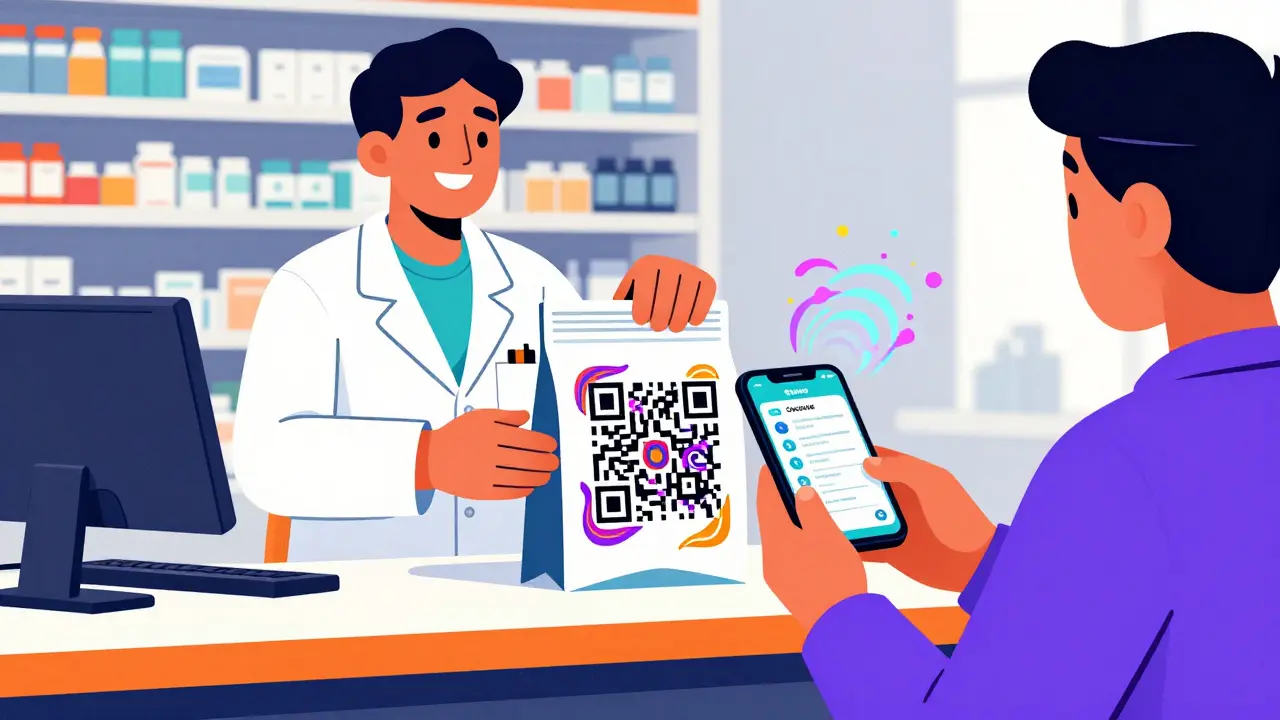
How to Use QR Codes and Digital Prescription Label Tools: A Practical Guide
Learn how to implement QR codes and digital prescription label tools to boost medication safety and patient adherence. This guide covers static vs dynamic codes, design rules, compliance, and practical tips for pharmacies.

EU Generic Drug Mobility: How Cross-Border Pharmacy Services Work in 2026
Discover how EU cross-border pharmacy services enable seamless access to generic drugs. Learn about MyHealth@EU, ePrescriptions, and new 2026 regulations for travelers.
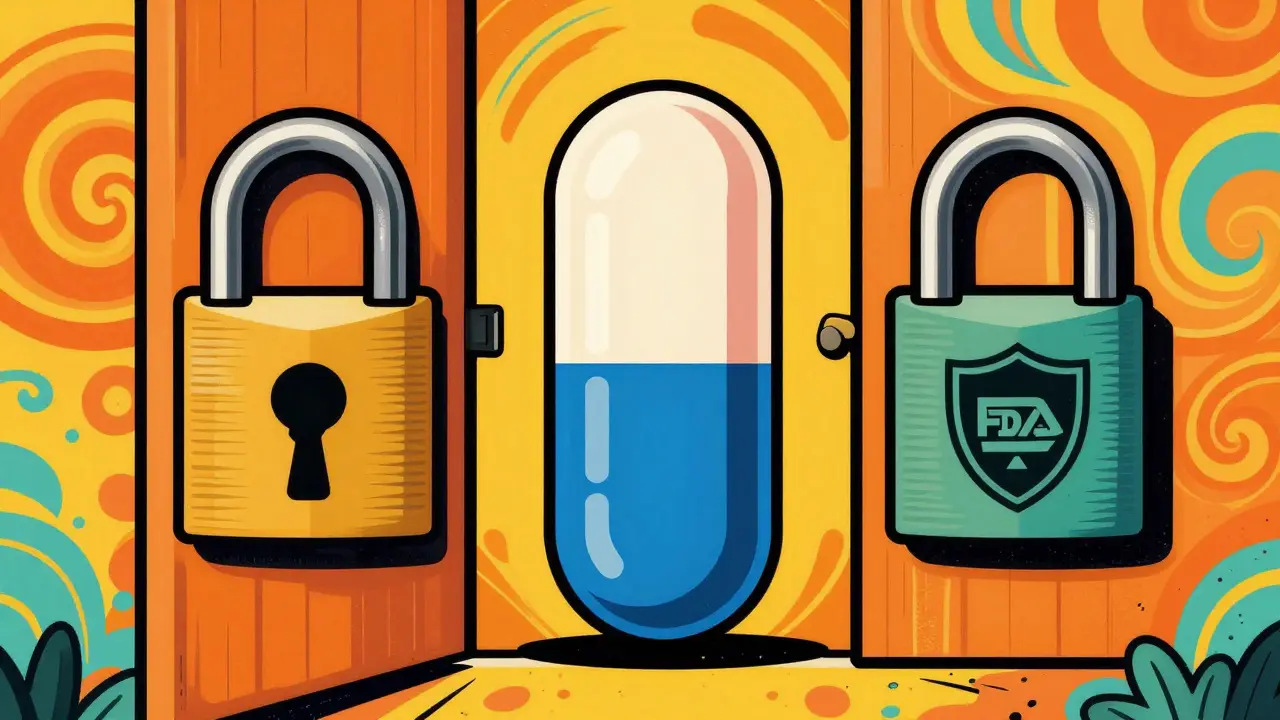
Patent Exclusivity vs Market Exclusivity: Key Differences Explained
Discover the key differences between patent exclusivity and market exclusivity in pharma. Learn how USPTO patents and FDA regulatory protections work together to control drug competition and pricing.

Crossover Trial Design: How Bioequivalence Studies are Structured
Learn how crossover trial designs structure bioequivalence studies to prove generic drugs match brand-names using 2x2 and replicate models, washout periods, and FDA standards.
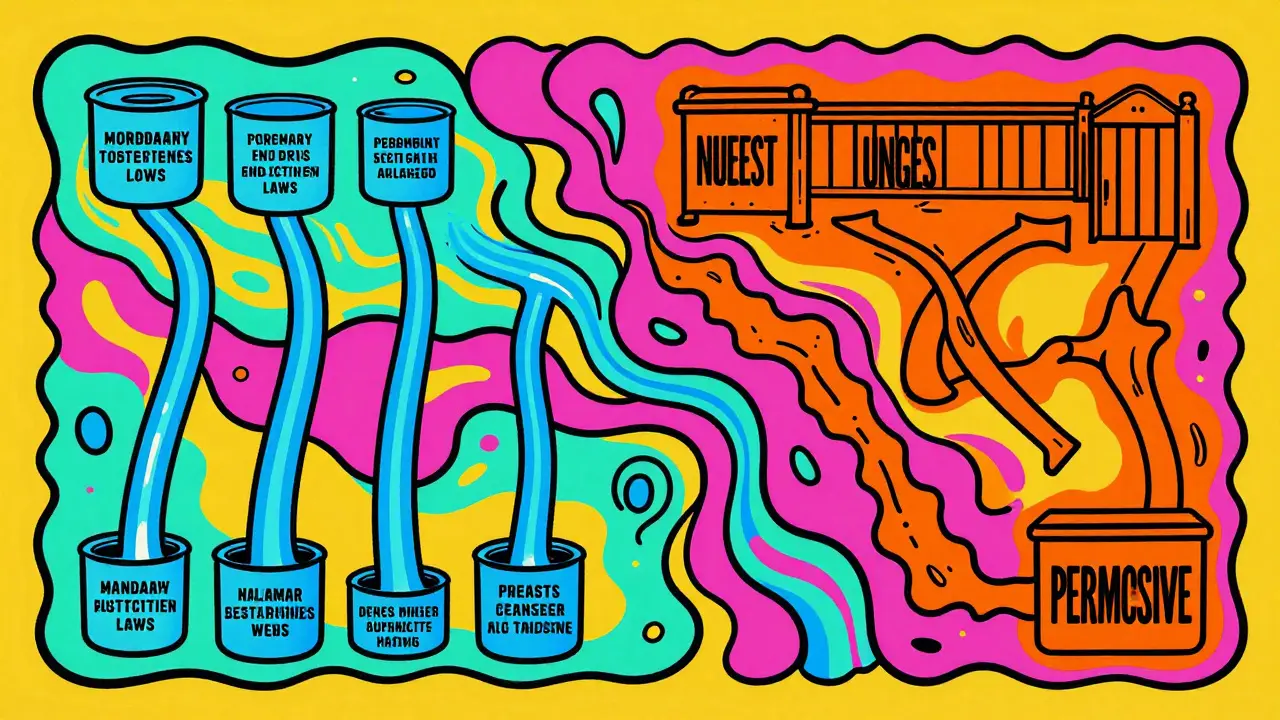
State Generic Substitution Requirements: A Complete 50-State Reference Guide
Explore the complete breakdown of 50-state generic substitution laws. Learn how mandatory versus permissive rules, biosimilar restrictions, and liability protections affect your prescriptions and costs.
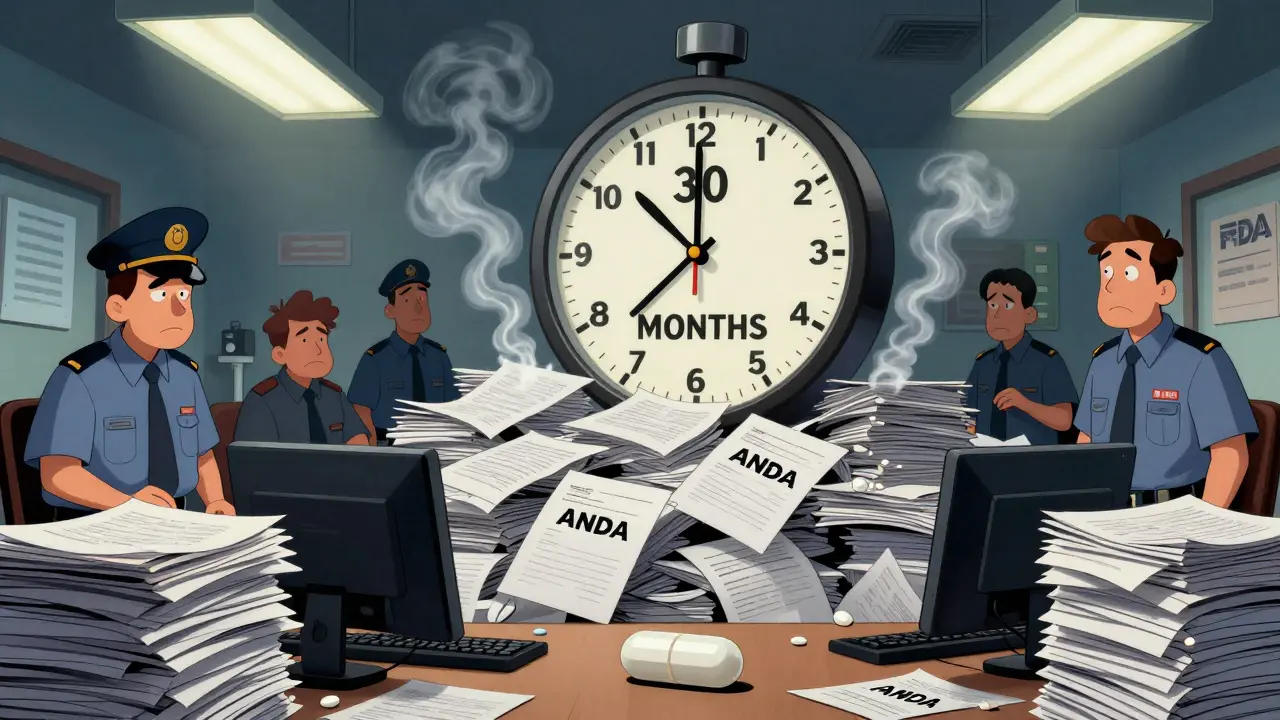
Generic Drug User Fee Amendments: How GDUFA Laws Speed Up FDA Review
GDUFA laws let the FDA collect fees from generic drug makers to speed up reviews, cut backlogs, and ensure safe, affordable medicines. Since 2012, approval times dropped from years to months.
Manufacturing Cost Analysis: Why Generic Drugs Are So Much Cheaper
Generic drugs cost far less than brand-name versions because they skip expensive R&D, benefit from massive production scale, and face intense competition. Learn how manufacturing efficiency drives 90% of U.S. prescriptions at a fraction of the price.
DSCSA Track-and-Trace: How the U.S. Is Stopping Counterfeit Drugs Before They Reach You
The DSCSA track-and-trace system uses unique digital identifiers to prevent counterfeit drugs from reaching patients. Learn how it works, who must comply, and why it’s the most important drug safety law in U.S. history.
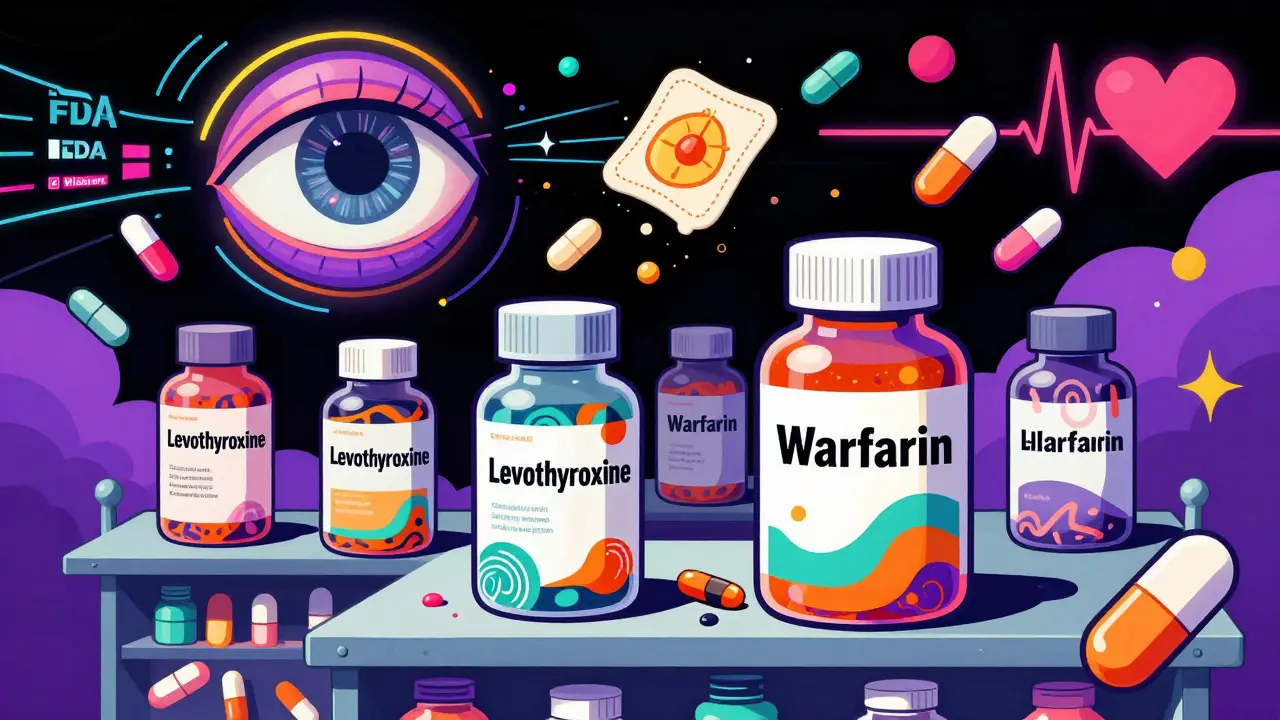
Post-Market Studies on Generic Drug Safety: What Happens After Approval
Generic drugs are safe for most people, but post-market studies reveal hidden risks only visible after millions use them. Learn how the FDA tracks safety, why some generics cause unexpected side effects, and what patients can do to stay protected.
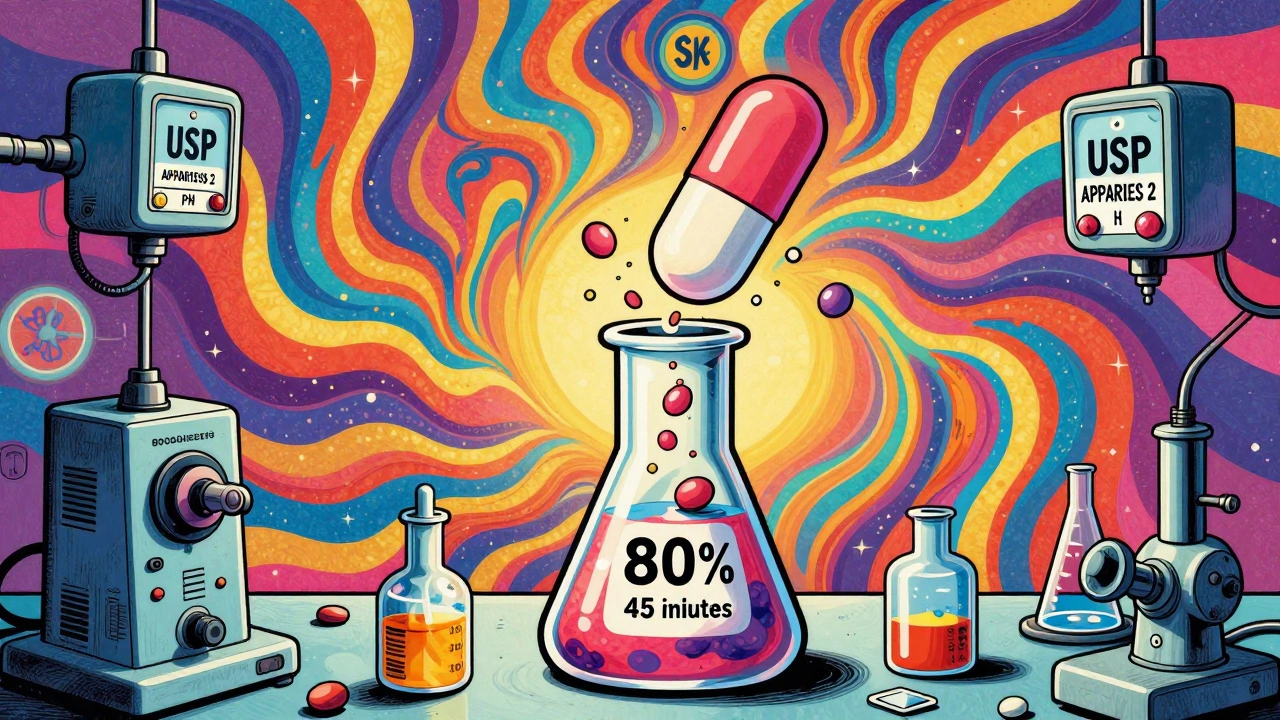
Dissolution Testing: How the FDA Ensures Generic Drug Quality
The FDA uses dissolution testing to ensure generic drugs release their active ingredients at the same rate as brand-name versions, replacing costly human trials with reliable lab data. This method safeguards therapeutic equivalence without compromising safety.
- 1
- 2