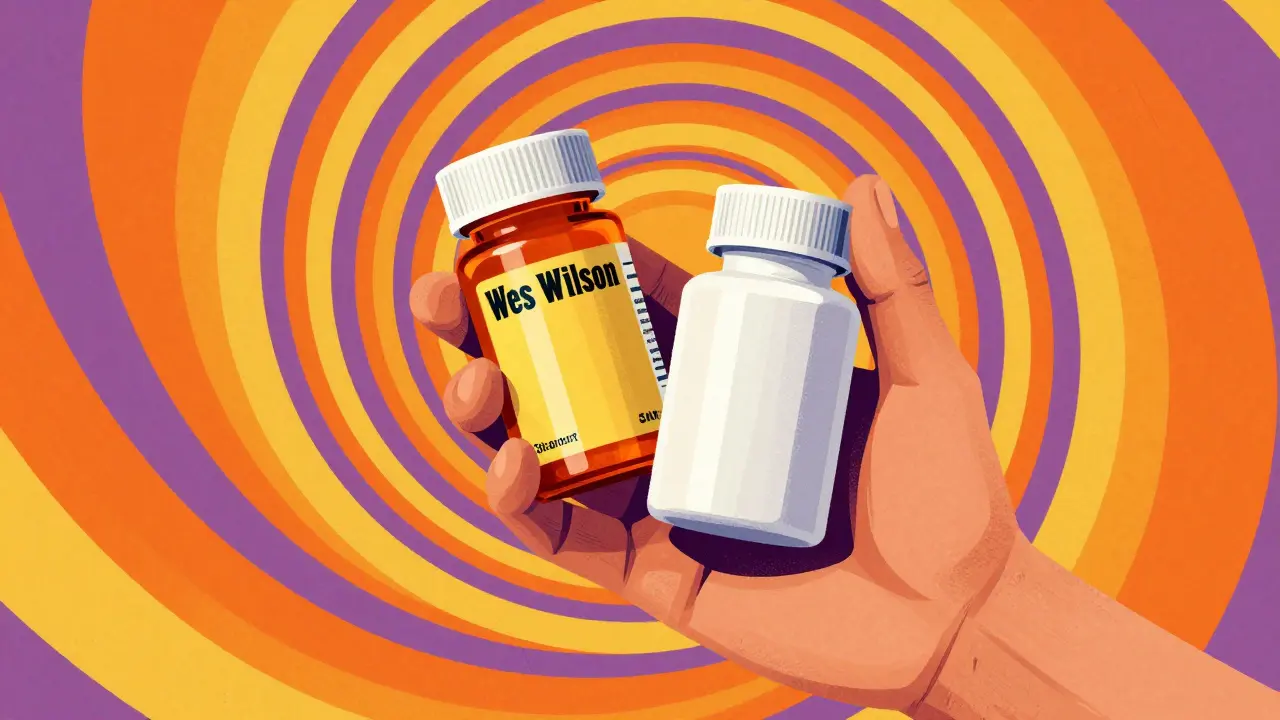
Have you ever stared at a prescription label, expecting one pill but receiving another? Maybe it’s a different color, a different shape, or just looks... cheaper. It’s a common moment of hesitation for millions of patients. You paid for the brand name, so why did the pharmacy give you something else? This isn’t just about aesthetics; it’s about patient trust. When that trust wavers, people skip doses, demand expensive alternatives, or simply feel anxious about their health. But here is the reality: generic medications are not inferior copies. They are rigorously tested, bioequivalent alternatives that save billions while delivering the same therapeutic results. The challenge isn’t the science-it’s the psychology.
The Science Behind the Swap: What Bioequivalence Really Means
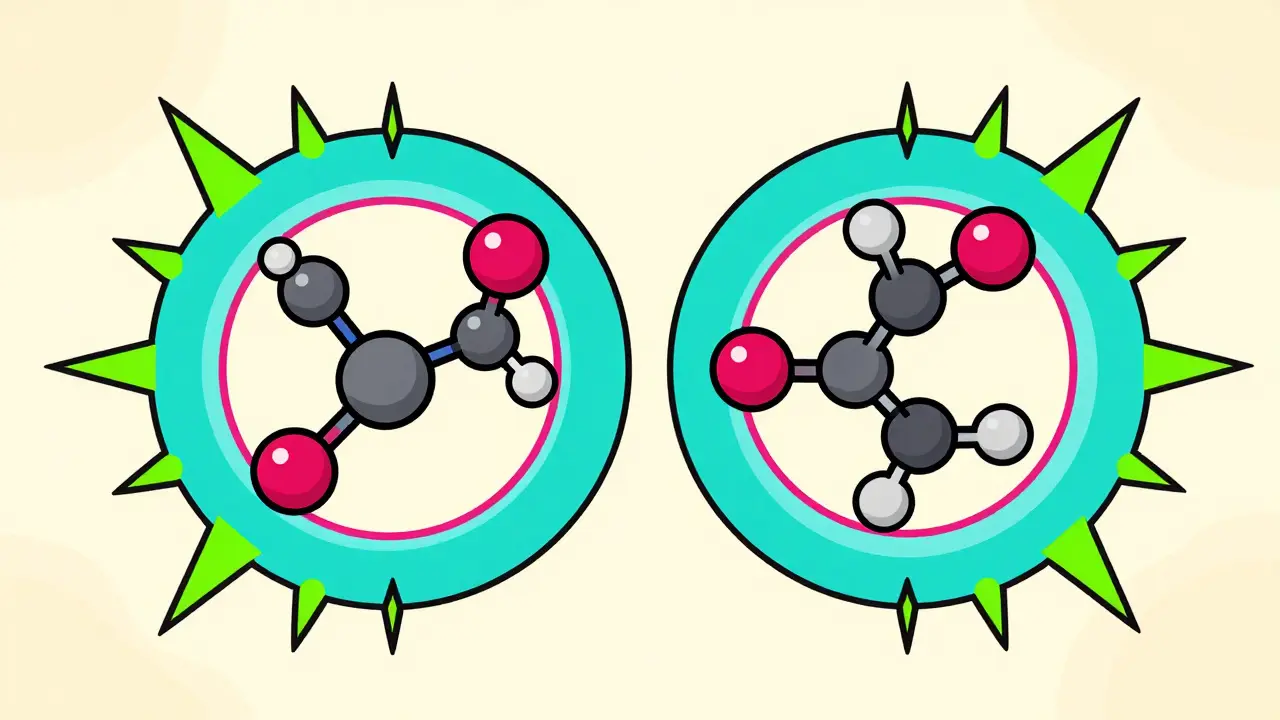
To understand why you should trust a generic, you first need to understand what it actually is. A generic medication contains the exact same active ingredient as its brand-name counterpart. If your doctor prescribes Lipitor (atorvastatin), the generic version also contains atorvastatin. The dosage form, strength, route of administration, and intended use are identical. The only differences lie in inactive ingredients-things like dyes, fillers, or binders-which do not affect how the drug works in your body.
The gold standard for approval is Bioequivalence, which is a measure ensuring that a generic drug delivers the same amount of active ingredient into a patient's bloodstream over the same period as the brand-name drug. In the United States, the Food and Drug Administration (FDA) requires generics to demonstrate that their bioavailability falls within a strict range of 80% to 125% compared to the brand name. In practice, most generics land much closer to 90-110%. This rigorous testing protocol was established by the Hatch-Waxman Act of 1984, which created the Abbreviated New Drug Application (ANDA) process. This legislation didn’t just lower prices; it ensured safety. When you take a generic, you aren’t taking a "lesser" drug; you’re taking a drug that has passed the same safety and efficacy hurdles as the original innovator product.
The Psychology of Brand Loyalty in Healthcare
If the science is solid, why does doubt persist? The answer lies in brand psychology. We live in a world where marketing shapes our perception of quality. For decades, pharmaceutical companies spent billions advertising brand names directly to consumers. Drugs like Tylenol or Advil became household names associated with reliability and care. When a generic enters the picture, it lacks that emotional connection. It often comes in plain packaging, sometimes with a different appearance due to varying inactive ingredients. This visual discrepancy triggers a cognitive bias known as the "nocebo effect," where negative expectations lead to perceived negative outcomes.
Research published in PLOS ONE in 2024 highlights this psychological gap. While 49.4% of participants believed doctors should prescribe more generics when available, a significant portion still harbored doubts. In Greece, for instance, a study found that only 69.8% of patients had a positive inclination toward generics when proposed by providers. The primary reasons for distrust weren't always clinical; they were perceptual. Patients cited "perceived higher quality" of brands (53.7%) and "better efficacy" (26.8%) as reasons to stick with the original. This isn’t irrational behavior-it’s human nature. We associate familiarity with safety. Breaking that association requires more than just data; it requires empathy and clear communication from those we trust most: our healthcare providers.
The Role of Healthcare Providers in Bridging the Gap
You don’t have to be a pharmacist to build confidence in generics, but your doctor and pharmacist play the pivotal role. A machine learning analysis published in Frontiers in Drug Safety and Regulation (2024) used a Random Forest model to predict generic acceptance. The result? Healthcare professional influence was the strongest predictor. The model achieved 87.6% accuracy in predicting whether a patient would accept a generic based solely on provider recommendations. This means your doctor’s words carry immense weight.
However, not all explanations are created equal. Dr. John Davis, a Professor of Pharmacology at Harvard Medical School, noted in an NIH study that while patients generally recognize the value of generics, "optimal educational content remains unclear." Many providers simply say, "It’s the same thing," which can feel dismissive. Effective communication involves acknowledging the patient’s concern. A better approach might be: "I know this pill looks different, but it contains the exact same medicine. The FDA tests it to ensure it works just as well. Let’s monitor your levels together to prove it." This collaborative stance transforms a transaction into a partnership. Systems like Kaiser Permanente have seen success with this approach. Their 'Generic Medication Education Toolkit,' introduced in Q2 2023, reduced generic refusal rates by 37% by using visual aids to demonstrate chemical equivalence rather than just stating it.
| Feature | Brand-Name Drug | Generic Medication |
|---|---|---|
| Active Ingredient | Original formulation | Identical to brand-name |
| Cost Savings | Baseline price | 80-85% less expensive |
| Regulatory Approval | Full New Drug Application (NDA) | Abbreviated New Drug Application (ANDA) |
| Bioequivalence Standard | N/A (Reference standard) | 80-125% of brand reference |
| Inactive Ingredients | Proprietary mix | May vary (color, shape, filler) |
| Therapeutic Outcome | Clinically proven | Therapeutically interchangeable |
Real-World Impact: Cost, Access, and Patient Stories
Let’s talk numbers, because money talks loud in healthcare. The global generic pharmaceutical market was valued at $463.5 billion in 2022 and is projected to reach $715.4 billion by 2029. In the U.S., generics account for approximately 90% of all prescriptions dispensed but only 23% of total pharmaceutical spending. That disparity is where the savings live. On average, generic medications cost 80-85% less than their brand-name equivalents. For a family managing chronic conditions, this isn’t just a discount; it’s accessibility.
Consider the story shared by a Medicare beneficiary interviewed by Kaiser Health News in February 2024. By switching from brand-name Eliquis to generic apixaban, they saved $1,200 annually while maintaining stable blood test results. This isn’t an anomaly. According to a 2023 survey by Health Policy Today, 82% of Americans have used generic drugs, and 94% believe they are as safe and effective as brand-name medications. Even online communities reflect this shift. On Reddit’s r/pharmacy, users frequently share success stories. One user, u/MedStudent2023, noted, "Switched my mom from brand Synthroid to generic levothyroxine and her TSH levels remained stable for 2 years-saved us $300/year." These anecdotes reinforce the clinical data: generics work, and they work affordably.
Addressing Common Myths and Concerns
Despite the evidence, myths persist. One widespread misconception is that generics contain only 80% of the active ingredient. This is false. As mentioned, the 80-125% range refers to the *rate and extent* of absorption, not the quantity of the drug in the pill. In practice, FDA standards require near-perfect equivalence. Another concern is side effects. Some patients report feeling worse on generics. While true in rare cases due to sensitivities to specific inactive ingredients (like lactose or dyes), this is not a failure of the generic system. It’s a matter of individual tolerance. If a generic causes issues, the solution isn’t to abandon generics entirely but to switch to a different generic manufacturer or discuss alternatives with your doctor. Sarah Johnson of Patients for Affordable Medications argued in a 2022 Health Affairs commentary that inconsistent pharmacy substitution practices contribute to confusion. Transparency is key. Knowing that you can request a specific generic manufacturer if needed empowers patients and reduces anxiety.
Building Your Own Confidence: A Practical Guide
So, how do you move from skepticism to confidence? Start with education. Understand that the Hatch-Waxman Act wasn’t designed to cut corners; it was designed to balance innovation with access. When you pick up a generic, ask your pharmacist three questions:
- Is this generic bioequivalent to the brand I was prescribed?
- Are there any inactive ingredients I should be aware of (e.g., gluten, dyes)?
- What signs should I watch for to ensure it’s working effectively?
Are generic medications really as effective as brand-name drugs?
Yes. Generic medications must meet strict FDA bioequivalence standards, meaning they deliver the same amount of active ingredient into your bloodstream over the same period as the brand-name drug. Clinical studies consistently show that generics provide the same therapeutic outcomes as their brand-name counterparts.
Why do generic pills look different from brand-name pills?
The difference in appearance is due to inactive ingredients like dyes, fillers, and binders. These components hold the pill together or give it color but do not affect the drug's efficacy. Brand-name manufacturers protect their unique designs through patents, so generics must use different formulations.
Can I ask my pharmacist for a specific generic manufacturer?
In many cases, yes. While pharmacists typically substitute with the most cost-effective generic available, you can request a specific manufacturer if you’ve had issues with a particular version. However, insurance coverage may vary depending on the manufacturer.
Do generic drugs have fewer side effects?
Generic drugs generally have the same side effect profile as brand-name drugs because they contain the same active ingredient. However, some individuals may react differently to the inactive ingredients in a generic, potentially causing mild variations in tolerance.
How much money can I save by switching to generics?
On average, generic medications cost 80-85% less than brand-name equivalents. For example, a patient switching from brand Eliquis to generic apixaban saved $1,200 annually. Over time, these savings can add up significantly, especially for chronic conditions requiring long-term treatment.
What is the Hatch-Waxman Act?
The Hatch-Waxman Act of 1984 created the legal framework for generic drug approval in the U.S. It established the Abbreviated New Drug Application (ANDA) process, allowing generic manufacturers to prove bioequivalence without repeating costly clinical trials, thereby lowering costs while maintaining safety standards.
Are there any risks associated with generic medications?
The risks are minimal and comparable to brand-name drugs. Rarely, adverse events may occur due to sensitivity to inactive ingredients. The FDA monitors post-market safety closely, and the rate of adverse events related to generic substitution is extremely low (less than 1%).
How can I tell if my generic medication is working?
Monitor your symptoms and any lab results associated with your condition. For example, if you take blood pressure medication, track your readings. If you notice a significant change in effectiveness or new side effects, consult your healthcare provider immediately. Most patients experience no noticeable difference.
