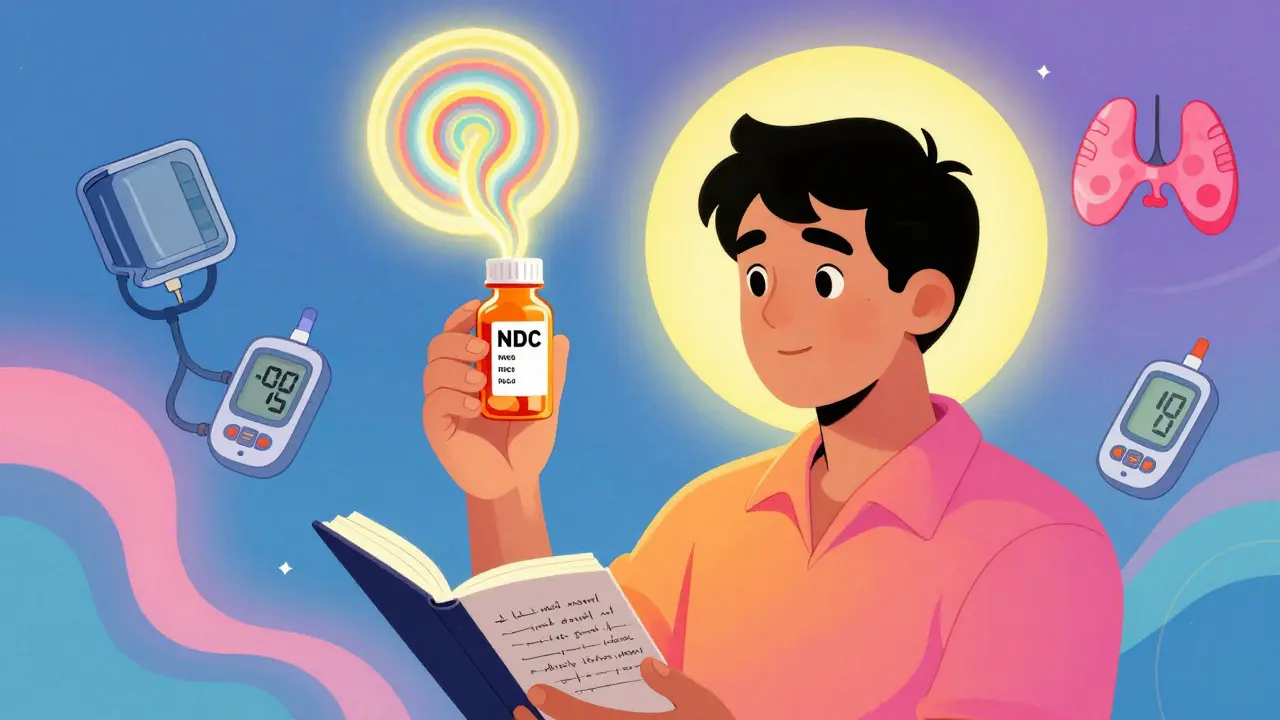
Switching from a brand-name drug to a generic version is one of the most common changes in modern healthcare. Over 90% of prescriptions in the U.S. are filled with generics, and for good reason-they cost less, work the same, and are held to the same standards. But if you’ve ever felt off after making the switch, you’re not imagining it. Some people do notice differences. The good news? Most don’t. The better news? You can monitor your health to catch any issues early-and know when to speak up.
Why Some People Notice Changes After Switching
Generic drugs must contain the same active ingredient, strength, and dosage form as the brand-name version. The FDA requires them to be bioequivalent, meaning they deliver the same amount of medicine into your bloodstream at the same rate. That’s the law. But bioequivalence doesn’t mean identical. Generics can have different fillers, dyes, or coatings. These inactive ingredients don’t affect how the drug works for most people-but they can cause minor side effects like stomach upset, headaches, or even changes in how a pill tastes. For drugs with a narrow therapeutic index, even small differences in absorption can matter. These include medications like warfarin (a blood thinner), levothyroxine (for thyroid issues), and certain seizure drugs like lamotrigine. A 5% change in how much of the drug reaches your blood might be harmless for some, but dangerous for others. That’s why doctors recommend extra caution with these drugs after a switch.What to Track After Switching
You don’t need to become a lab technician, but paying attention for the first 30 to 90 days makes a big difference. Here’s what to monitor based on your condition:- High blood pressure: Check your readings at home twice a week for the first month. Write down the numbers and bring them to your next appointment.
- Diabetes: Track your fasting blood sugar and HbA1c. Get a new HbA1c test at 4 and 8 weeks after switching.
- Thyroid medication (like levothyroxine): Fatigue, weight changes, or heart palpitations could signal a problem. Get your TSH level checked at 6 weeks.
- Epilepsy or seizures: Keep a seizure diary. Note frequency, duration, and triggers. Report any increase to your neurologist immediately.
- Depression or anxiety: Mood changes, sleep issues, or increased panic attacks can be signs your body isn’t adjusting. Don’t wait-call your provider if symptoms worsen.
- Asthma: Use your peak flow meter daily for two weeks. A drop of 15% or more from your baseline could mean the new version isn’t working as well.
When to Suspect a Problem
Most people feel the same-or better-after switching. But if you notice any of these, it’s time to act:- Your symptoms return or get worse after being stable for months
- You develop new side effects you didn’t have before
- You feel different even though the dose hasn’t changed
- Your lab results show a significant shift (like an abnormal INR on warfarin or rising TSH on levothyroxine)
How to Verify You Got the Right Generic
Not all generics are made the same. Different companies make different versions of the same drug. Even if the active ingredient is identical, the formulation can vary slightly between manufacturers. That’s why you should check the National Drug Code (NDC) on your pill bottle or receipt. It’s a 10-digit number that tells you exactly which company made your medication. If you refill your prescription and the NDC changes, you’ve gotten a different generic. That’s not necessarily bad-but it’s worth noting. Some people react to one manufacturer’s version but not another. Keep a record: write down the NDC, lot number, and date you started each new batch. If something goes wrong, this info helps your doctor and the FDA trace the issue.What the FDA Says-and Doesn’t Say
The FDA is clear: generics are safe and effective. Dr. Janet Woodcock, former head of the FDA’s drug division, said there’s no class of drugs where generics are less effective than brand-name versions when used correctly. That’s backed by 37 studies published between 2018 and 2023. But the FDA also says: some patients may respond differently. That’s why they run MedWatch, a system for reporting problems. If you think your generic isn’t working, report it. You don’t need to prove it. Just describe what happened: what you took, when you switched, what symptoms you noticed, and your NDC number. The FDA investigates serious reports within 30 days. Your report could help others avoid the same issue.Real Stories, Real Data
A 2023 survey of over 1,000 people who switched to generics found that 89% were satisfied. But 24% said they started monitoring their health more closely after switching. The most common things tracked? Blood pressure (38%), blood sugar (29%), and seizure frequency (17%). On PatientsLikeMe, a health tracking platform with 700,000 users, 92.7% of people who switched to generics reported no change in symptoms. But 7.3% noticed something off-and 1.2% needed medical help to switch back. The most common complaints? Levothyroxine (12% of thyroid patients), lamotrigine (9% of epilepsy patients), and bupropion (7% of those on antidepressants). These drugs have tight margins. A tiny difference in absorption can throw things off.
What to Do If You’re Not Feeling Right
If you suspect your generic isn’t working:- Don’t stop taking it cold turkey. That can be dangerous.
- Call your doctor. Bring your medication diary and NDC numbers.
- Ask if you can try a different generic brand. Sometimes switching manufacturers fixes the problem.
- If needed, ask for the brand-name version. Insurance may cover it if you document medical necessity.
- File a report with the FDA through MedWatch. It’s quick, anonymous, and helps protect others.

Jerry Peterson
I switched my levothyroxine last year and didn’t think twice until I started feeling like a zombie at 3 PM. Turned out the new generic had a different filler-made me bloated as hell. Took me three refills and three NDC codes to find one that didn’t suck. Now I write the lot number on my calendar. Don’t let Big Pharma gaslight you into thinking it’s all the same.
PS: If your pharmacy switches your med without asking, ask for your money back. Seriously.
Meina Taiwo
Check TSH at 6 weeks. Simple. Effective.
Adrian Thompson
90% generics? Yeah, and 90% of Americans are also getting spied on by the FDA through their pill bottles. You think they care if your thyroid crashes? Nah. They care about the 40% profit margin on the brand-name version. That’s why they let generics slide-until you start dying. Then they’ll send you a form to fill out. Congrats, you’re part of the system now.
Also, why do all these pills look like they were made in a basement in China? I’ve seen more quality control on my toaster.
🔥 #FDAliedToMe
Jon Paramore
For drugs with a narrow therapeutic index-warfarin, levothyroxine, phenytoin-the bioequivalence window is 80-125% AUC. That’s a 45% swing. For someone on 75mcg levothyroxine, that’s a 33.75mcg to 93.75mcg range. That’s not ‘the same.’ That’s a clinical gamble.
And yes, I’ve seen patients go from euthyroid to myxedema coma after a generic switch. It’s rare-but when it happens, it’s catastrophic. Document everything. NDC, date, symptoms. Paper trail saves lives.
Also, if your pharmacist says ‘it’s the same,’ ask them if they’ve ever taken it. They haven’t. They’re just restocking.
Cameron Hoover
I was skeptical too-until I started tracking my BP with my phone app. Went from 120/80 to 145/92 in two weeks after switching generics. I called my doc, they switched me back to the brand-and boom, back to normal. I didn’t think I was that sensitive. Turns out I am.
Don’t be afraid to be the weirdo who writes stuff down. You’re not overreacting. You’re the one who’s awake while everyone else is asleep.
Stacey Smith
My pharmacist switched my bupropion without telling me. I started crying in the grocery store for no reason. Called my psychiatrist. They switched me back. No drama. Just tell them you’re not a lab rat.
Ben Warren
It is a matter of profound concern that the regulatory framework governing generic pharmaceuticals, while ostensibly stringent, fails to account for inter-individual pharmacokinetic variability with sufficient granularity. The FDA’s bioequivalence standard of 80–125% for AUC and Cmax is statistically permissible but clinically inadequate for populations exhibiting heightened sensitivity, particularly those with polypharmacy, hepatic insufficiency, or genetic polymorphisms in CYP450 enzymes.
Moreover, the commodification of therapeutic agents under the guise of cost-containment represents a systemic erosion of patient-centered care. One cannot reduce human physiology to a mean value derived from a cohort of 24 healthy volunteers in a fasting state. The anecdotal evidence, while not statistically significant, is clinically salient-and should be prioritized over algorithmic compliance.
Therefore, I submit that the current paradigm is not merely flawed-it is ethically indefensible. The onus must shift from patient vigilance to manufacturer accountability. And until that occurs, we are not patients-we are test subjects.
Teya Derksen Friesen
It’s wild how we’ve normalized being treated like a data point. I’ve been on the same levothyroxine for 12 years. My doc just switched me to a new generic last month. I didn’t say anything-until I started having night sweats at 2 a.m. and my cat started avoiding me (yes, she noticed).
Went back to the old one. All good. My point? Your body knows. Listen to it. Even if the chart says you’re fine.
Sandy Crux
...And yet, the entire premise of this article assumes that bioequivalence is the gold standard... which it isn't. It's a legal loophole dressed in white lab coats. The FDA doesn't require therapeutic equivalence studies-only pharmacokinetic ones. And even those are conducted on young, healthy, non-polypharmacy subjects. So when you're 72, on 7 meds, and your new generic 'works the same'... well, congrats. You're the outlier they designed the system to ignore.
Also, why is everyone so surprised? We let corporations run our healthcare. Of course the pills aren't identical. They're commodities.
Hannah Taylor
ok so i switched my lamotrigine and started having weird brain zaps and then i saw the ndc was different and i was like wait a sec i had this one before and it was fine but this new one made me feel like my brain was on a trampoline?? so i called my doc and they said oh that’s normal but i said no it’s not i had the same one for 3 years and now it’s like my nerves are screaming?? so they switched me back and i’ve been chill since. also the new one tasted like plastic. just saying.
ps: always check the ndc. it’s free intel.
Jason Silva
Bro, I had the same thing with my antidepressant. Switched generics, felt like I was underwater. Called my doc, sent the NDC to the FDA, and they actually responded in 2 weeks. Now I only take the one with the green stripe. 🤝💊 #GenericWoes #TrustYourGut
Theo Newbold
Let’s be honest: 99% of people who say generics don’t work are just lazy and don’t want to track their numbers. The data is clear. The FDA studies are robust. If you feel off, it’s probably stress, sleep, or your diet. Stop blaming the pill. Take responsibility.
Michael Ochieng
My mom’s been on levothyroxine for 20 years. We switched her to a generic because insurance said no choice. She went from feeling great to barely getting out of bed. We found out the new one had a different dye-she’s allergic to red #40. Turns out, that’s not in the active ingredient… but it’s in the pill. She switched back. Now we always check the NDC. I told my whole family to do the same. Small thing, big difference.