
Bedtime vs Morning Dosing Impact Analyzer
Your Profile
Estimated Impact of Bedtime Switch
Select your profile details and click "Analyze" to see potential benefits and risks.
Take your blood pressure pill in the morning. That’s what most of us were told for decades. But if you’ve ever felt dizzy after your first cup of coffee or needed to run to the bathroom right before a meeting, you know that advice doesn’t always fit real life. The question isn’t just about lowering numbers on a cuff; it’s about how those drugs make you feel while you’re trying to live your day.
We used to think the timing didn’t matter as long as you took the pill. Now, research is flipping that script. It turns out bedtime dosing is taking medication at night to potentially reduce daytime side effects and improve overnight blood pressure control might be the secret weapon for sticking with your treatment plan. Let’s look at why shifting your dose to the evening could save your mornings from dizziness, fatigue, and other annoying side effects.
The Circadian Rhythm Connection
Your body runs on a clock. Your blood pressure (BP) does too. For most people, BP dips when we sleep. This is called "dipping." If your BP stays high at night, your heart works harder when it should be resting. This increases your risk of stroke and heart attack more than daytime highs do. A 2024 study in JAMA Network Open confirmed that sleep-time BP is a better predictor of cardiovascular risk than daytime measurements.
When you take your medication in the morning, the drug hits its peak power during the day. By bedtime, the effect wears off. If you switch to taking it at night, the peak aligns with your sleep hours. This helps lower that dangerous nighttime pressure. But here is the catch: does this shift mess up your day? Or does it actually help?
| Factor | Morning Dosing | Bedtime Dosing |
|---|---|---|
| Peak Drug Level | Mid-day (10 AM - 2 PM) | Late night / Early morning (2 AM - 6 AM) |
| Nighttime BP Control | Often weaker (wearing off) | Stronger (aligns with dip) |
| Dizziness Risk | Higher in morning hours | Lower during waking hours |
| Bathroom Trips | Daytime frequency | Potential nighttime urgency |
Dizziness: The Morning Killer
Dizziness is the number one reason people skip their meds. It’s scary. You stand up, the room spins, and you wonder if you’re going to pass out. In patient forums, dizziness is the top complaint. One user on Reddit shared that switching their lisinopril to bedtime eliminated the morning dizziness that made them miss work twice last month.
Why does this happen? Many blood pressure drugs cause a drop in pressure shortly after ingestion. If you take it at 7 AM, you get hit with that drop at 9 AM-right when you’re commuting or starting work. Dr. David Calhoun from the University of Alabama at Birmingham noted in the TIME study analysis that the morning-dosing group reported significantly more events of dizziness or lightheadedness.
If you move that dose to 10 PM, the drop happens while you’re horizontal in bed. Gravity isn’t fighting against your blood flow. You sleep through the peak intensity. When you wake up, the drug is still working, but the sharp initial drop is over. You start your day stable, not spinning.
The Bathroom Problem
Not all blood pressure pills are the same. Some, like diuretics (water pills), make you pee. A lot. If you take a diuretic in the morning, you’ll be running to the restroom all day. This is disruptive. It breaks focus. It causes anxiety in meetings.
However, switching diuretics to bedtime has a trade-off. You might wake up three times a night to urinate. This is called nocturia. It ruins sleep quality. Poor sleep raises blood pressure. So, for diuretics, morning is usually still best unless your doctor says otherwise.
For other types, like ACE inhibitors or ARBs, the bathroom issue is less severe. A survey by the American Family Physician (AAFP) found that only about 36% of bedtime dosers reported increased bathroom visits compared to 40% of morning dosers. The difference wasn’t huge. For many, avoiding daytime interruptions is worth the slight risk of a nighttime trip.

What the Big Trials Say
Science loves certainty. Right now, it’s giving us nuance. The BedMed trial, involving over 3,000 patients, looked at hard outcomes like heart attacks and strokes. They found no major difference in survival between morning and bedtime dosing. Professor Scott Garrison, the lead researcher, stated that evening administration conveyed no additional safety advantages regarding falls or fractures in the general population.
But wait. Safety endpoints aren’t the same as side effect profiles. The BedMed-Frail trial focused on older adults in nursing homes. They found similar rates of adverse events. However, they did find that cognitive decline was not worsened by bedtime dosing. This was a big worry. People feared that lowering BP too much at night would starve the brain of oxygen. The data shows this isn’t happening for most people.
The OMAN trial in China followed 720 patients. They looked at specific side effects. They found no increase in dangerous nighttime low blood pressure episodes with bedtime dosing. This suggests that for many, the body handles the nighttime drop safely.
Individual Variability Matters
Your body is unique. What works for your neighbor might wreck your day. Consider these factors:
- Medication Type: Beta-blockers can cause fatigue. Taking them at night might help you sleep, or it might cause vivid dreams. Calcium channel blockers like amlodipine can cause leg swelling. One patient reported such bad leg swelling at night they had to switch back to morning.
- Sleep Quality: If you already have insomnia, adding a drug that makes you sleepy or need to pee will hurt more than help.
- Work Schedule: Do you drive a truck? Do you operate heavy machinery? Dizziness is not an option. Bedtime dosing might be safer for your job.
A 2024 survey of primary care physicians showed that 43% now discuss timing options with new patients. Up from 28% in 2022. Doctors are realizing that adherence is king. If you hate the side effects, you stop taking the pill. Stopping the pill is worse than any side effect.
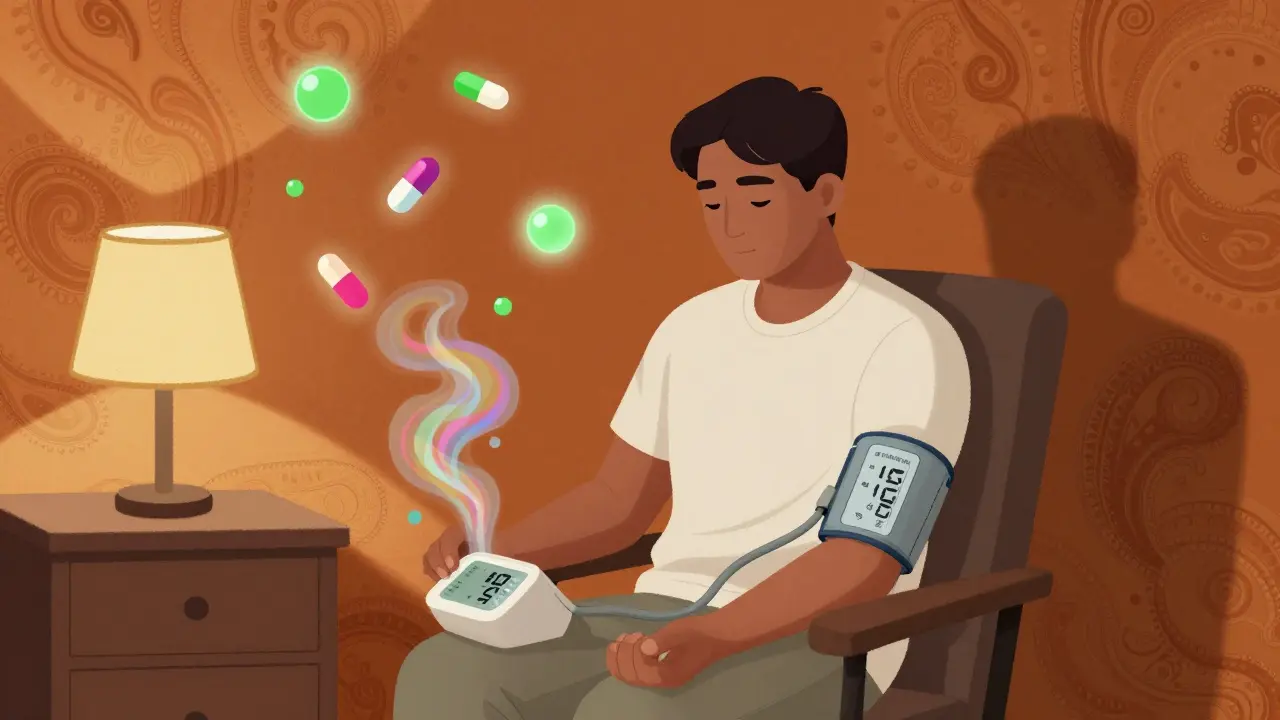
How to Switch Safely
Don’t just flip your routine overnight without a plan. Here is a simple guide to transitioning:
- Talk to your doctor. Make sure your specific med is safe for bedtime. Diuretics are often exceptions.
- Start slow. Take your first few doses at bedtime to see how you handle the initial drop.
- Monitor your BP. Check your pressure in the morning and late afternoon for two weeks. Look for patterns.
- Watch for symptoms. Note any dizziness, confusion, or excessive urination.
- Adjust if needed. If nighttime urination wakes you up every hour, switch back. If morning dizziness vanishes, stay the course.
The British Heart Foundation recommends taking your first dose at bedtime until you no longer feel dizzy, then switching to morning if preferred. This "trial period" approach lets your body adapt without risking a fall during the day.
The Verdict on Timing
There is no single "best" time for everyone. The European Society of Cardiology states that patients should take their BP medication when they are least likely to forget. Adherence is the most important factor. If remembering at night keeps you consistent, do it. If morning fits your routine, stick with it.
However, if daytime side effects are ruining your quality of life, bedtime dosing is a valid, evidence-backed strategy. It reduces morning dizziness. It may improve nighttime BP control. And for many, it simply feels better. The goal isn’t just a number. It’s a life lived without fear of fainting or interruption. Try the switch. Track your results. Find what works for your body.
Does taking blood pressure medicine at night really reduce dizziness?
Yes, for many people. Studies like the TIME study show that morning dosing is linked to higher reports of dizziness and lightheadedness during the day. By taking the medication at night, the peak effect occurs while you are sleeping, reducing the likelihood of feeling dizzy when you are upright and active during the day.
Is it safe to take blood pressure meds before bed?
For most patients, yes. Major trials like BedMed and OMAN found no significant increase in dangerous nighttime low blood pressure events or falls for the general population. However, individual responses vary. Always consult your doctor, especially if you have a history of fainting or severe hypotension.
Should I take diuretics (water pills) at bedtime?
Generally, no. Diuretics increase urine production. Taking them at night can lead to nocturia (waking up frequently to urinate), which disrupts sleep and can negatively impact blood pressure control. Morning dosing is typically recommended for diuretics to manage daytime fluid balance.
Does bedtime dosing lower the risk of heart attack or stroke?
The evidence is mixed. Earlier studies suggested a benefit, but larger recent trials like BedMed found no significant difference in major cardiovascular events between morning and bedtime dosing. The primary benefit of bedtime dosing appears to be improved side effect profile and adherence rather than direct reduction in hard cardiovascular outcomes.
How long does it take to adjust to bedtime dosing?
Most people adjust within a few days to a week. During this transition, monitor your blood pressure and note any changes in energy levels, dizziness, or sleep patterns. If side effects persist beyond two weeks, discuss alternative timing or medications with your healthcare provider.
