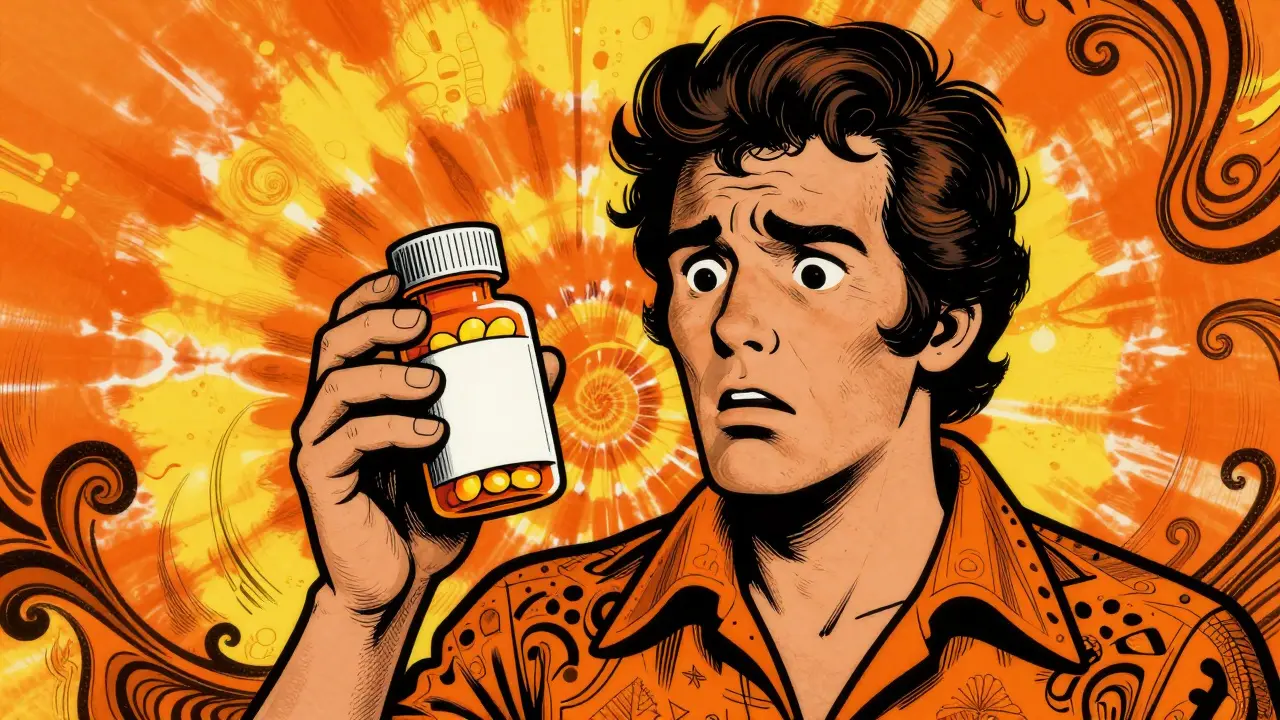
Imagine picking up your prescription, noticing the pill looks slightly different from usual, and realizing it might not be what you think it is. That sinking feeling in your stomach is real. Counterfeit medications are deliberately and fraudulently mislabelled products created to imitate authentic medicine, posing a severe risk to public health. Whether it’s missing active ingredients, dangerous additives, or just wrong dosages, taking these drugs can lead to treatment failure or even death. But here is the good news: you have the power to stop them. Reporting suspected fake or tampered drugs isn’t just a civic duty; it’s a critical step in protecting yourself, your family, and your community. This guide will walk you through exactly how to report these threats, who to contact, and what information you need to provide to ensure your report leads to action.
Why Reporting Matters More Than Ever
The scale of this problem is staggering. The World Health Organization (WHO) estimates that one in ten medical products in low- and middle-income countries is substandard or falsified. In the United States, the threat is growing too, largely driven by online sales. According to IQVIA’s 2023 Pharmaceutical Trade Report, the global counterfeit pharmaceutical market was valued at $205 billion in 2022. That’s 1.7% of total global sales. When you buy meds from an unverified online pharmacy, you’re rolling the dice. The National Association of Boards of Pharmacy found that 96% of online pharmacies reviewed in 2022 were non-compliant with U.S. laws. By reporting suspicious products, you help authorities identify bad actors and remove dangerous items from supply chains before they harm others. Timely reports have led to the removal of over 2,300 counterfeit drug products from U.S. markets between 2015 and 2022 alone.
Identifying Red Flags: Is Your Medication Fake?
Before you report, you need to know what you’re looking for. Counterfeiters are getting smarter, but there are still telltale signs. Here is what to check:
- Packaging Issues: Look for spelling errors, blurry logos, or poor-quality printing on the box or bottle. Tamper-evident seals should be intact. If the seal is broken or missing, do not use the product.
- Pill Appearance: Check the color, shape, size, and taste. If your usual blue pill is now purple, or if it crumbles easily when it shouldn’t, that’s a red flag. Imprints on pills (letters or numbers) should match official databases like the FDA’s Pill Identifier.
- Price Too Good to Be True: If an online seller offers brand-name drugs at a fraction of the retail price without requiring a valid prescription, it’s likely fake.
- Lack of Labeling: Legitimate prescriptions include clear instructions, the pharmacist’s name, and expiration dates. Generic bottles without proper labeling are suspect.
- Ineffective Treatment: If your condition worsens or doesn’t improve after starting a new medication, it could contain no active ingredient.
If you notice any of these issues, stop using the medication immediately. Do not flush it down the toilet. Keep it safe for investigation.
Who Should You Contact? A Breakdown by Role
Who you report to depends on who you are-consumer, healthcare professional, or supply chain participant-and where you are located. Let’s break it down.
For Consumers in the United States
The primary channel for consumers is the FDA MedWatch Program, which is the Food and Drug Administration's safety information and adverse event reporting program. Established in 1993, MedWatch accepts reports of serious adverse events, product quality problems, and suspected counterfeit products. You can file a report online using Form 3500, which typically takes 12-15 minutes to complete. Alternatively, call 1-800-FDA-1088. While consumer satisfaction with follow-up communication has been mixed (only 56% satisfied in a 2022 survey), filing a report is crucial for triggering investigations.
You can also report suspicious activities to the DEA RxAbuse Tip Line, established in February 2020. This line allows anonymous reporting of suspicious pharmaceutical activities. Call (571) 324-6499 or use the online tool on the DEA Diversion Control Division’s website. The DEA notes that 73% of successful investigations in some regions originated from public tips. It’s accessible, easy to use, and often faster for immediate concerns about diversion or street-level counterfeiting.
For Healthcare Professionals
Pharmacists, nurses, and doctors have a higher burden of proof and specific protocols. The American Pharmacists Association advises that pharmacists must not dispense a suspected forged prescription and should immediately contact local law enforcement. For controlled substances, if a theft or loss is discovered, Health Canada requires reporting within 10 days via their Office of Controlled Substances. In the U.S., healthcare professionals should submit detailed reports via MedWatch, including batch numbers and patient outcomes. Detailed reports increase investigation success rates by 68%, according to Dr. Paul Newton of Oxford University.
For Supply Chain Participants
Manufacturers, repackagers, wholesale distributors, and dispensers face strict legal requirements under the Drug Supply Chain Security Act (DSCSA), enacted in 2013. If you determine a product is illegitimate, you must notify the FDA within 24 hours. Notifications go through the 3911 platform in CDER NextGen or via email to [email protected]. Manufacturers must also report products at “high risk of illegitimacy” within 24 hours. Compliance is monitored closely; in 2022, the FDA issued 17 warning letters for late reporting among wholesale distributors.
What Information to Include in Your Report
A vague report helps no one. To make your report actionable, gather as much evidence as possible before contacting authorities. Here’s a checklist:
- Product Name: Brand and generic names.
- Batch/Lot Number: Found on the packaging. This is critical for tracing the source.
- Expiration Date: Helps verify authenticity and storage conditions.
- Manufacturer Details: Name and address listed on the package.
- Supplier/Pharmacy Info: Where you bought it, including website URLs for online purchases.
- Photos: High-resolution images of the packaging, pills, and any discrepancies. AI-powered systems used by the WHO can analyze these images to detect fakes.
- Description of the Problem: Why do you suspect it’s fake? Note any physical differences or health effects.
Preserve the product and packaging. Do not handle it excessively to avoid contaminating evidence. If you bought it online, save screenshots of the transaction, chat logs, and the website’s appearance.
International Reporting Channels
If you’re outside the U.S., several global systems exist. The WHO operates the Global Surveillance and Monitoring System, which has documented over 1,500 cases across 141 countries. The International Pharmaceutical Federation (FIP) maintains the FIP Safety Net, processing hundreds of reports annually. In Canada, Ontario requires pharmacists to report prescription forgery to the Ontario Drug Benefit program via email. Always check your country’s health ministry website for specific hotlines. Many pharmaceutical manufacturers, like Novo Nordisk and Eli Lilly, also have direct reporting channels for patients to use alongside regulatory bodies.
Challenges and What to Expect
Reporting isn’t always smooth. Consumer surveys show frustration with lack of follow-up. You might not hear back from the FDA or DEA directly. This doesn’t mean your report was ignored. Regulatory agencies prioritize investigations based on severity and volume. However, your data contributes to larger trends that trigger recalls and raids. Be patient, but persistent. If you feel your report is being dismissed, consider escalating it to your local representative or consumer protection agency. Online communities like Reddit’s r/pharmacy share experiences, showing both successes (like rapid identification of affected lots) and delays. Use these forums for support, but rely on official channels for formal reporting.
| Channel | Best For | Response Time | Key Requirement |
|---|---|---|---|
| FDA MedWatch | Consumers & HCPs | Variable (often slow feedback) | Detailed form completion |
| DEA RxAbuse Tip Line | Suspicious activity/diversion | Faster for urgent tips | Anonymous option available |
| DSCSA 3911 Platform | Supply chain partners | Mandatory 24-hour window | Legal compliance required |
| Manufacturer Direct | Brand-specific issues | Varies by company | Contact info on packaging |
Future Trends in Drug Safety Reporting
Technology is making reporting easier and more effective. The FDA is testing a smartphone app prototype that uses image recognition to extract data from packaging, cutting reporting time from 14 minutes to under 4. Blockchain verification systems are being integrated into supply chains to prevent tampering at the source. The WHO is expanding its surveillance system with AI capabilities, achieving 94.3% accuracy in identifying counterfeit malaria treatments in pilot programs. These tools mean that soon, simply snapping a photo of your pills could automatically alert authorities if they’re fake. Stay informed about these developments, as they will change how we protect ourselves.
Can I report counterfeit drugs anonymously?
Yes. The DEA RxAbuse Tip Line allows anonymous reporting via phone or online. The FDA MedWatch program also does not require your name, though providing contact info can help investigators follow up if needed.
What should I do if I already took a suspected counterfeit drug?
Seek medical attention immediately if you experience adverse effects. Then, report the incident to the FDA MedWatch program and your healthcare provider. Preserve the remaining medication and packaging for evidence.
How long does it take for authorities to act on a report?
There is no fixed timeline. Simple complaints may take weeks, while urgent threats involving widespread distribution can trigger rapid recalls. Reports submitted within 24 hours lead to product removal 4.2 times faster than those delayed beyond 72 hours.
Is it illegal to buy medications from foreign websites?
In many cases, yes. Importing prescription drugs without FDA approval violates U.S. law. Even if the drugs are genuine, bypassing regulatory checks exposes you to significant risks of receiving substandard or falsified products.
Do pharmaceutical companies care about individual reports?
Absolutely. Companies like Novo Nordisk and Eli Lilly track every report to identify patterns and protect their brands. They often collaborate with regulators to trace sources of counterfeits. Reporting to the manufacturer alongside regulatory bodies strengthens the case.
