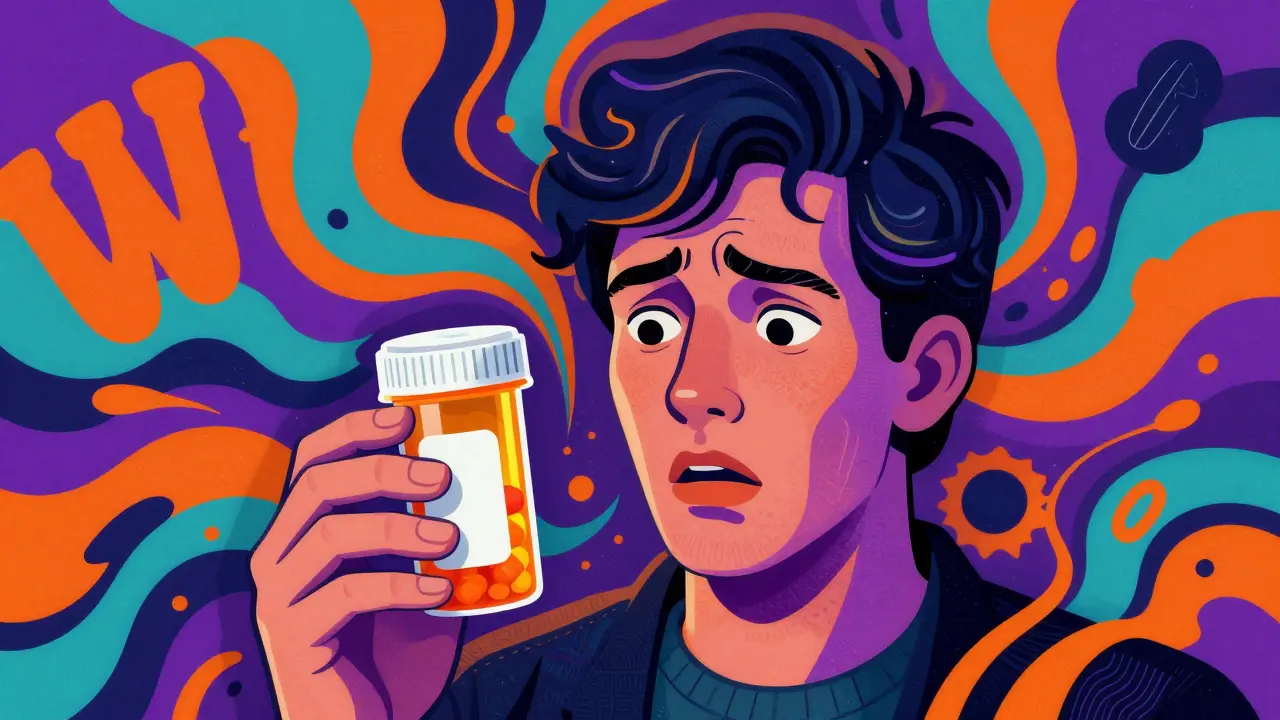
The goal here is simple: you need to walk away from the pharmacy counter knowing exactly what to take, when to take it, and how to stay safe. A prescription medication label is designed to be a safety net, but only if you know how to decode it. If you've ever felt overwhelmed by the tiny print or the medical jargon, you're not alone. Let's break down exactly what those labels are telling you so you can manage your health with confidence.
The Anatomy of Your Medication Label
Most pharmacy labels follow a standardized layout to keep things predictable, but the specific wording can vary. To avoid mix-ups, you need to treat your label like a checklist. Here are the twelve critical components you should look for every single time you fill a script.
- Patient Name: This should be your full name. Always double-check this first; it's the easiest way to prevent a household member from taking the wrong medicine.
- Medication Name: You'll often see two names. One is the brand name (like Lipitor) and the other is the generic name (like atorvastatin). Generic drugs are the same active ingredients but usually cheaper.
- Prescription Number (Rx#): This alphanumeric code is your unique ID for that specific order. If you need a refill, giving the pharmacy this number is much faster than giving your name.
- Prescriber Name: The doctor, nurse practitioner, or dentist who wrote the script.
- Medication Strength: This tells you the dose per unit, such as "20 mg tablets." This is the most critical part for avoiding an accidental overdose.
- Quantity: The total amount dispensed-whether it's 30 tablets, 100ml of liquid, or 50g of cream.
- Discard/Expiration Date: The date after which the medicine may lose its potency or become unsafe. Generally, this is one year from the date it was filled.
- Instructions: The "how-to" section. This tells you the dose and frequency (e.g., "Take 1 tablet by mouth twice daily").
- Refill Information: How many times you can get more medicine before you need a new trip to the doctor.
- Auxiliary Labels: These are the small, often colorful stickers that say things like "Take with food," "Avoid sunlight," or "Refrigerate."
- Drug Identification Number (DIN) or National Drug Code (NDC): A unique code used by regulators to identify the exact formulation of the drug.
- Pharmacy Information: The name, address, and phone number of the pharmacy. If you're confused, this is who you call.
Common Traps: Why "Simple" Instructions Are Confusing
You might think "twice daily" is crystal clear, but for many people, it isn't. Research from the NIH showed that nearly 80% of patients misinterpreted at least one common label instruction. The biggest culprit? Vague time references. Some patients read "twice daily" and think it means every two hours, which could lead to a dangerous overdose.
When you see terms like "every few hours" or "as needed," ask your pharmacist for a specific schedule. For example, instead of "twice daily," ask if they mean "every 12 hours" (like 8 AM and 8 PM). Specific time intervals are much easier for the brain to process and follow than general frequencies. If the label says "take with food," ask exactly what that means-does a cracker count, or do you need a full meal? These details are what separate a successful treatment from a medical emergency.
| Label Term | Common Misinterpretation | Clearer Meaning |
|---|---|---|
| Twice Daily | Every 2 hours | Two times in 24 hours (usually 12 hours apart) |
| Take with Food | While eating a snack | During or immediately after a full meal to prevent stomach upset |
| PRN (As Needed) | Whenever I feel like it | Only when symptoms appear, not exceeding a specific dose/time |
| Avoid Sunlight | Stay indoors all day | Use sunscreen or protective clothing; drug increases skin sensitivity |
Your 7-Point Safety Checklist
Don't just glance at the bottle; perform a formal review. Spend two to three minutes with every new prescription. Use this specific sequence to ensure nothing was missed:
- Confirm the Name: Does the label say your name exactly? If you're picking up for a spouse or child, verify their name is correct.
- Verify the Appearance: Does the pill look the way it's described? If it's supposed to be a white round tablet but you see a yellow capsule, stop and call the pharmacy immediately.
- Check the Strength: Compare the mg dosage to your previous refill. If you usually take 10mg and the bottle says 20mg, something is wrong.
- Decode the Timing: Do you know exactly what time of day you will take this? If "twice daily" is vague, set an alarm for 8 AM and 8 PM.
- Scan for Auxiliary Warnings: Look for those extra stickers. Do you need to avoid driving? Does it need to stay in the fridge?
- Verify the Expiration: Check the discard date. Old medications can lose their effectiveness or, in rare cases, become harmful.
- Locate the Contact: Make sure you can see the pharmacy's phone number clearly. You don't want to be searching for it in a panic at midnight.
The High Cost of a Misread Label
Why go through all this trouble? Because the stakes are incredibly high. Medication errors affect millions of people annually, costing billions in additional medical expenses. When someone misreads a label, it often leads to a cycle of "preventable adverse drug events." This is a fancy way of saying people get sick from their medicine because they took it the wrong way.
The good news is that the system is improving. We're seeing more "patient-centered" language and even the introduction of QR codes on labels. Some pharmacies now offer digital labels that link to videos explaining how to take the drug in multiple languages. This technology has shown a 40% reduction in errors for patients who struggle with English. If your pharmacy offers a digital app or a QR code on the bottle, use it. It's a powerful second layer of verification.

Talking to Your Pharmacist
Your pharmacist is the most underutilized resource in the healthcare system. They aren't just there to put pills in a bottle; they are experts in pharmacology. Before you leave the store, ask them to review the label with you. A simple question like, "Can you show me exactly when I should take this?" can prevent a trip to the ER.
If the handwriting is messy or the print is too small, ask for a larger print label. Many pharmacies can accommodate this. Also, if you are taking multiple medications, ask for a "medication synchronization" or a comprehensive list that shows how all your different prescriptions interact. This helps you see if one drug's instructions conflict with another's.
What should I do if the medication looks different than my last refill?
Stop taking the medication immediately and call your pharmacy. While generic manufacturers sometimes change the color or shape of a pill, you should never assume it is the correct medication. The pharmacist can verify the batch number and ensure you received the correct drug and strength.
Is a "discard date" the same as an expiration date?
Essentially, yes. The discard date on a prescription label is when the pharmacy determines the medication may no longer be safe or effective. This is often one year from the date it was dispensed, though some liquid medications or compounded drugs expire much sooner.
What does "take on an empty stomach" actually mean?
Generally, this means taking your medication at least one hour before eating or two hours after your last meal. Some medications are absorbed better or work more effectively when they don't have to compete with food in your digestive tract.
What is the difference between the brand name and the generic name?
The brand name is the trademarked name given by the company that first developed the drug. The generic name is the official chemical name of the active ingredient. Both contain the same active medication and are designed to work the same way, but generics are usually more affordable.
Why is the Rx number so important?
The Rx number is a unique identifier for that specific prescription. It allows the pharmacy to find your records instantly without relying solely on your name, which could be shared by others. It's the fastest way to process refills or ask a question about a specific medication.
Next Steps for Your Safety
If you're currently managing several medications, take an hour this weekend to audit your medicine cabinet. Check every label against the 7-point checklist provided above. If any dates have passed, don't throw them in the trash-take them to a pharmacy for safe disposal. If any instructions feel vague, call your pharmacist tomorrow morning and ask for clarification.
For those caring for elderly parents or children, consider creating a "medication map." This is a simple chart that lists the drug name, what it's for, the exact time it should be taken, and a photo of the pill. This removes the guesswork and ensures that anyone helping with care can follow the instructions exactly as the doctor intended.

J. Walter Jenkem
Getting a routine set up is the best way to stay consistent.
Elizabeth Holden
obviouse stuff. most peple just dont read. its not hard to look at a bottle. some ppl act like this is rocket science when its basic reading lol
Jenny X
Funny how they emphasize the generic vs brand name distinction while ignoring the pharmacological bioavailability variances. The Big Pharma complex loves these standardized labels because they keep us compliant with their synthetic compounds without questioning the actual pharmacokinetic profile. Most of these auxiliary labels are just a way to shift liability from the manufacturer to the consumer using a thin veil of regulatory jargon. I've seen labels that basically excuse the company if you have a systemic reaction because you didn't "avoid sunlight" for five minutes. It's all about the legal shield, not the patient's homeostasis.
Kartik Agarwal
The mention of medication synchronization is particularly pertinent for geriatric patients with complex polypharmacy regimens. Implementing a synchronized dispensing cycle minimizes the risk of non-adherence and reduces the therapeutic window fluctuations that can occur when multiple scripts expire at disparate intervals.
Allison Maier
this is so boring 🙄 like just call the doctor if u r confused. not that deep.
Joel Bonstell
Had a scare once where my refill looked diffrent and I almost took it without checking. Glad I didnt. Always double check that stuff, it only takes a second and can save u a lot of trouble. Pharmacy errors happen more then u think!
Alexa Mack
I wonder if pharmacies in other countries use similar layouts. It would be interesting to see how language barriers are handled globally beyond just QR codes.
Andrew Hanssen
The insistence on a "7-point checklist" is an absurd oversimplification of medical adherence. Most people who fail to take their medicine correctly aren't failing to read a label; they are failing due to cognitive decline or systemic poverty. A checklist is a useless tool for someone who cannot afford the medication in the first place.
Prudence Wesson
The sheer incompetence of the average consumer is simply astounishing!!! One must simply read the text provided!!!! It is not a complex task, yet people persist in their ignorance!!!!