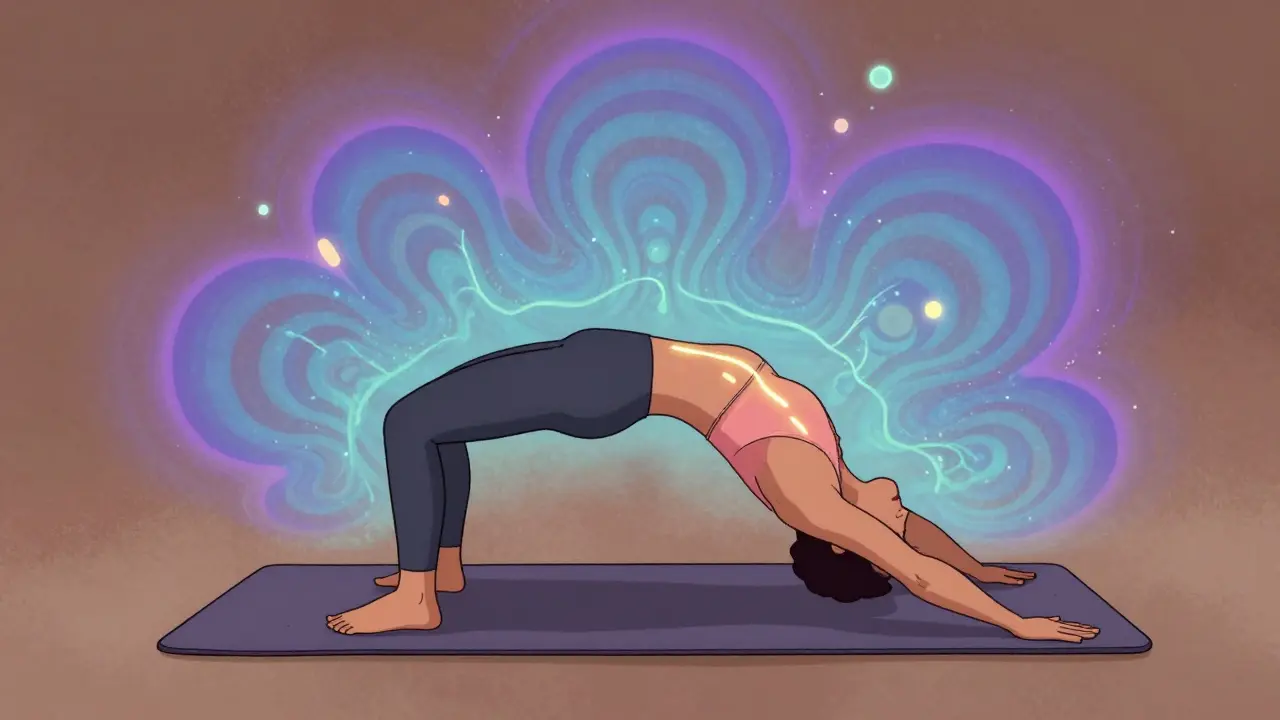
Chronic back pain isn’t just a sore back that won’t go away. It’s pain that sticks around for more than 12 weeks-long after any injury should’ve healed. Around 8% of people in the U.S. live with it, and if you’re one of them, you know it’s not something you can just rest away. You’ve probably tried heat packs, over-the-counter pills, maybe even a few massage sessions. But if nothing’s stuck, you’re not alone. The truth is, most people don’t get real relief from one single fix. What works is a mix of physical therapy, smart medication use, and daily self-management habits that rebuild your body’s resilience.
Why Physical Therapy Comes First
Doctors don’t start with pills anymore-not for chronic back pain. The American College of Physicians updated their guidelines in 2022, and they’re clear: move first, medicate later. Why? Because pain that lasts this long isn’t just about tissue damage. It’s about how your nervous system learned to hurt, how your muscles got stiff, and how your posture shifted to avoid discomfort. Physical therapy doesn’t just treat the pain-it rewires the system.
Effective physical therapy for chronic back pain includes five core pieces: pain tolerance assessment, posture retraining, core strengthening, flexibility work, and aerobic conditioning. Not every program is the same. The best ones match your pain pattern. If your pain flares when you sit for too long, your therapist will focus on pelvic alignment and seated ergonomics. If it hurts when you bend over, they’ll target your hamstrings and glutes. Studies from the Orthopedic Institute of Pennsylvania show that 78% of people who stick with physical therapy see meaningful improvement-compared to just 52% who rely only on medication.
Here’s what happens in a typical 6-8 week plan: You’ll do 2-3 sessions a week, each costing $75-$120. That sounds expensive, but it’s often covered by insurance. Medicare, for example, pays for 20 visits a year if your doctor says they’re medically necessary. The real key? What you do between sessions. Patients who do their home exercises five times a week see an 82% success rate. Those who skip them? Only 45% improve. The exercises aren’t flashy. They’re slow, controlled movements-bridges, bird-dogs, wall sits-that rebuild stability in your lower back and core. These aren’t just stretches. They’re retraining your body to move without fear.
Medications: What Actually Helps (and What Doesn’t)
Medications have a role, but they’re not the hero. They’re the sidekick. And not all of them are created equal.
First-line options? NSAIDs like ibuprofen (400mg three times a day) or naproxen (500mg twice a day). They work for about 65% of people, giving 30-40% pain relief. But here’s the catch: 15-20% of users get stomach ulcers, kidney issues, or high blood pressure after a few months. If you’ve been taking them for over three months, talk to your doctor about alternatives.
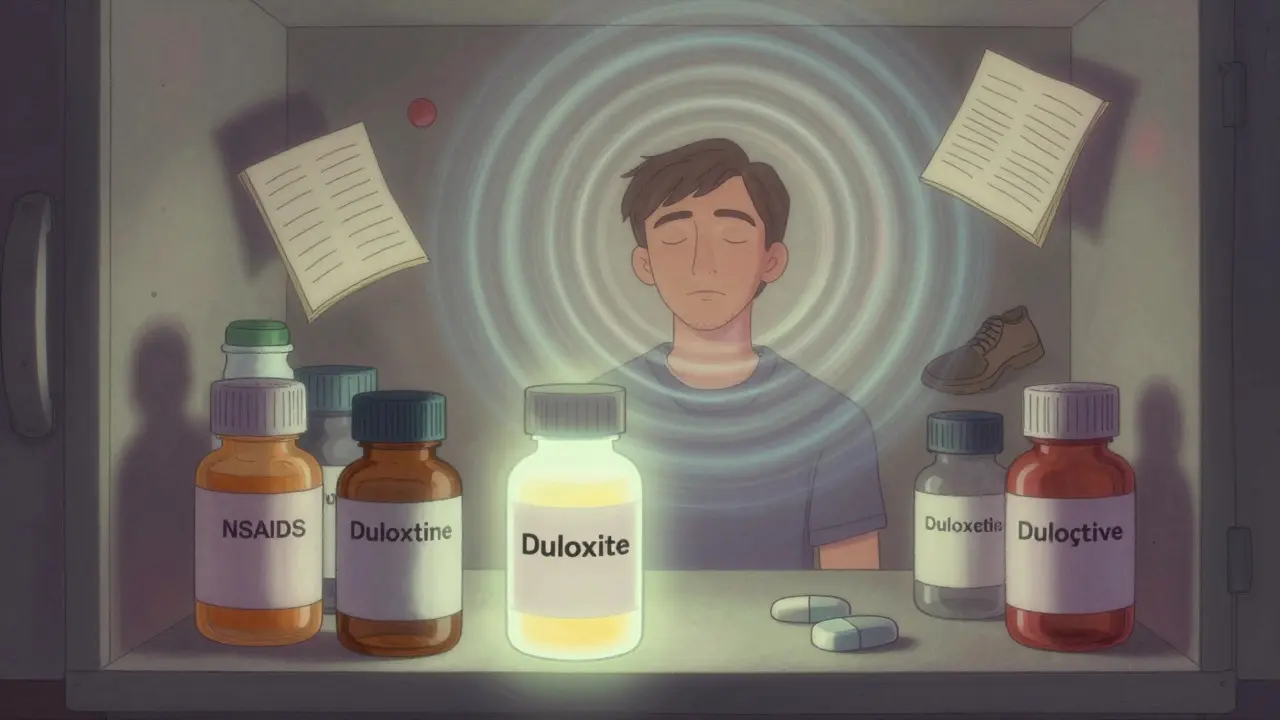
Second-line? Muscle relaxants like cyclobenzaprine or nerve-targeting drugs like gabapentin. Gabapentin (300-1200mg daily) helps about half of people with nerve-related back pain, but it causes dizziness, brain fog, and weight gain in many. One Reddit user, ‘SpineSurvivor22’, switched from gabapentin to duloxetine because the fog made it impossible to work. Duloxetine (60mg daily) is an SNRI originally for depression, but it’s now approved for chronic back pain. It reduces pain by 50% in 45% of users, according to NIH data. Side effects? Nausea in 25%, dizziness in 15%. It takes 4-6 weeks to kick in, so patience is key.
And opioids? They’re nearly gone from chronic back pain treatment. In 2016, nearly half of patients got prescribed them. By 2024, that number dropped to 12%. Why? Because opioids don’t fix pain-they make your nervous system more sensitive over time. It’s called opioid-induced hyperalgesia. You end up hurting more, not less. Plus, the risk of addiction, overdose, and withdrawal is too high. The CDC and major medical groups now say opioids should only be considered if every other option has failed-and even then, only for short bursts.
Self-Management: The Hidden Game-Changer
If you think pain relief comes only from a therapist’s hands or a pill, you’re missing the biggest piece: you.
Self-management isn’t just ‘do your stretches’. It’s a daily routine that trains your brain to stop seeing pain as a threat. Harvard Health and UCSF have both studied structured programs that include:
- 10-15 minutes of daily movement (walking, swimming, cycling)
- 10 minutes of breathing or mindfulness to lower stress hormones
- Tracking pain levels and triggers in a simple journal
- Setting small, realistic goals (‘I’ll walk to the mailbox today’)
Here’s what’s surprising: 63% of people who stick with this for 8-12 weeks report 40-50% less pain. That’s not a miracle. That’s biology. Chronic pain keeps your nervous system on high alert. Daily movement and mindfulness tell your brain, ‘You’re safe.’ Over time, your pain threshold rises.
But consistency is brutal. Only 63% of people stick with it. The biggest roadblocks? Time, fatigue, and frustration. If you’re working full-time, caring for kids, or dealing with sleep loss, squeezing in 20 minutes feels impossible. That’s why the best programs start small. Do one minute of breathing. Walk for five minutes. Do two bridges while watching TV. Build the habit before you build the intensity.
What Doesn’t Work (And Why You’re Still in Pain)
Many people try everything and still feel stuck. Here’s why:
- Just resting: Lying on the couch for days makes muscles weaker and pain worse. Movement-even gentle-is medicine.
- Only taking pills: Medications mask pain but don’t fix movement patterns. You’ll relapse as soon as you stop.
- Doing random exercises from YouTube: If you have a disc issue and do sit-ups, you’ll hurt more. If you have stiffness and only stretch, you’ll stay weak. You need the right match.
- Waiting for a miracle cure: Radiofrequency ablation, spinal stimulators, or injections can help-but only for specific cases. They’re not first-line. And they don’t replace daily movement.
One big myth: ‘My back is broken.’ It’s not. Your spine is designed to move, not stay still. Even with arthritis, degeneration, or old injuries, your body can adapt. Pain doesn’t equal damage. That’s the shift most people need to make.

Real People, Real Results
On Reddit’s r/ChronicPain, users share what finally worked:
- ‘BackPainWarrior87’: ‘Six months of PT dropped my pain from 8/10 to 3/10. The exercises were brutal, but I did them every morning before coffee. Now I can play with my kids without fear.’
- ‘LiftAndLive’: ‘I switched from NSAIDs to duloxetine. Nausea was rough at first, but after 6 weeks, I slept through the night for the first time in years.’
- ‘MumOfThree’: ‘I couldn’t afford 3 PT sessions a week. So I did a free 10-minute YouTube routine every morning and walked with my dog after dinner. Took 4 months, but I’m off pain meds.’
Healthgrades shows physical therapy gets 4.2/5 stars from over 12,000 reviews. The most common praise? ‘I finally feel in control.’ The most common complaint? ‘Insurance only covered 10 visits.’ That’s why self-management is non-negotiable. Even if you get 10 sessions, you need tools to keep going.
What to Do Next
If you’re dealing with chronic back pain right now, here’s your roadmap:
- See your doctor and ask for a referral to physical therapy. Don’t wait for a prescription for pills.
- Start a daily 10-minute movement habit. Walk, swim, or do a gentle yoga video. No equipment needed.
- Track your pain. Use a free app or a notebook. Note what makes it better or worse.
- If you’re on NSAIDs for more than 3 months, ask about alternatives. Don’t just keep taking them.
- Join a community. Websites like PainConnection.org or Reddit’s r/ChronicPain offer real support. You’re not alone.
Chronic back pain doesn’t vanish overnight. But it doesn’t have to control your life either. The most effective approach isn’t a magic pill or a fancy machine. It’s consistent movement, smart medication use, and the quiet daily choice to care for your body-even on the hard days.
Can physical therapy really help chronic back pain, or is it just for acute injuries?
Yes, physical therapy is one of the most effective treatments for chronic back pain. Unlike acute pain, which often heals on its own, chronic pain involves changes in how your nervous system and muscles function. Physical therapy doesn’t just stretch tight muscles-it retrains your body to move without fear. Studies show 78% of people with chronic low back pain see meaningful improvement after a structured 6-8 week program, especially when they stick with home exercises. It’s not a quick fix, but it’s the most sustainable long-term solution.
Are NSAIDs safe for long-term use with chronic back pain?
NSAIDs like ibuprofen and naproxen can help reduce inflammation and pain in the short term, but they’re not meant for long-term daily use. After 3-6 months, up to 20% of users develop stomach ulcers, kidney problems, or high blood pressure. The American College of Physicians recommends using them only as needed and switching to non-drug therapies like physical therapy for ongoing management. If you’ve been taking them daily for over three months, talk to your doctor about alternatives.
Why are opioids no longer recommended for chronic back pain?
Opioids are no longer recommended because they don’t fix the root cause of chronic pain-and they can make it worse. Long-term use leads to opioid-induced hyperalgesia, where your nervous system becomes more sensitive to pain. The CDC reports that opioid prescriptions for back pain dropped from 45% in 2016 to just 12% in 2024. In 2022, over 107,000 Americans died from drug overdoses, many involving opioids. Medical guidelines now say opioids should only be considered if every other option has failed-and even then, only for short periods.
What’s the best way to start self-management for chronic back pain?
Start small. Pick one daily habit: walk for 10 minutes, do two bridges before brushing your teeth, or practice 5 minutes of slow breathing. Track your pain each day in a notebook or app. The goal isn’t to eliminate pain immediately-it’s to build confidence that you can move without fear. Research from UCSF shows that people who stick with self-management for 8-12 weeks see 40-50% pain reduction. Consistency matters more than intensity.
Is it worth paying for physical therapy if insurance doesn’t cover enough sessions?
Yes-if you use those sessions wisely. Most insurance plans, including Medicare, cover 20 sessions a year with a doctor’s referral. Even if you only get 10, use them to learn the right exercises and understand your pain triggers. Then, continue those exercises at home. Studies show that patients who follow their home program after therapy have an 82% success rate, while those who don’t only improve 45%. The real cost isn’t the session-it’s the lost mobility, sleep, and quality of life if you don’t take action.
Can diet or supplements help with chronic back pain?
There’s no magic supplement that cures chronic back pain. But inflammation plays a role, and some dietary changes can help. Reducing processed sugar, fried foods, and excess alcohol may lower overall inflammation. Omega-3s from fatty fish or algae supplements have mild anti-inflammatory effects. Vitamin D deficiency is linked to worse pain outcomes, so getting your levels checked is smart. But supplements won’t replace movement or physical therapy-they’re just a small supporting piece.
If you’ve been stuck in a cycle of pain and frustration, know this: you’re not broken. Your body is trying to protect you. With the right mix of movement, smart care, and daily habits, you can take back control-without pills, without surgery, without giving up.
