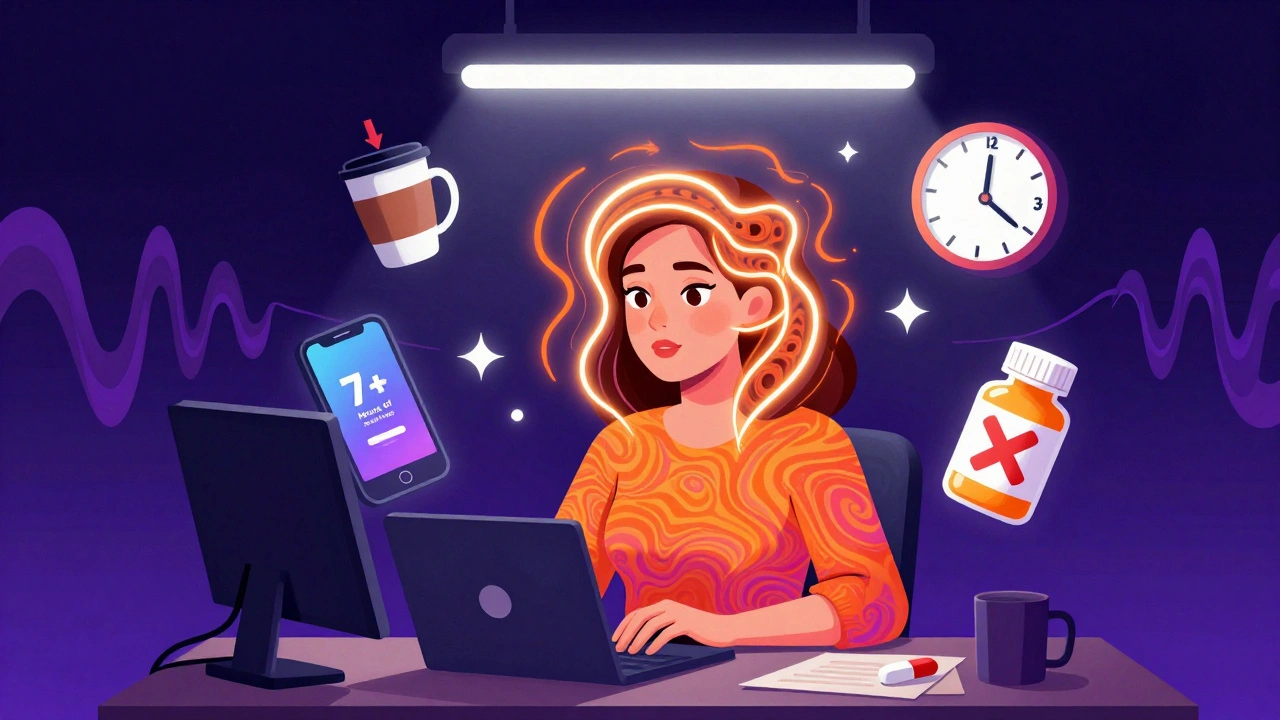
Chronic tension headaches aren’t just bad days. They’re chronic tension headaches - happening 15 or more days a month, for three months straight. If you’re living like this, you know it’s not about stress alone. It’s not just tight muscles. And it’s definitely not something you can outwill or tough out. This is a real neurological condition, and it’s more common than most people think - affecting 2 to 3% of adults globally, with women making up more than 60% of cases.
What Chronic Tension Headaches Really Feel Like
Unlike migraines, there’s no pounding, no nausea, no light sensitivity. Instead, it’s a constant, dull pressure - like a tight band wrapped around your head. Some describe it as a heavy weight on the forehead or back of the skull. Pain levels average 5.2 out of 10, but that’s misleading. When it’s happening every other day, or worse, every day, even a 5/10 pain becomes unbearable over time.
Episodes last anywhere from 30 minutes to seven days. The real issue isn’t the length of each one - it’s the frequency. You don’t get a break. Your brain doesn’t reset. And that’s where the damage builds.
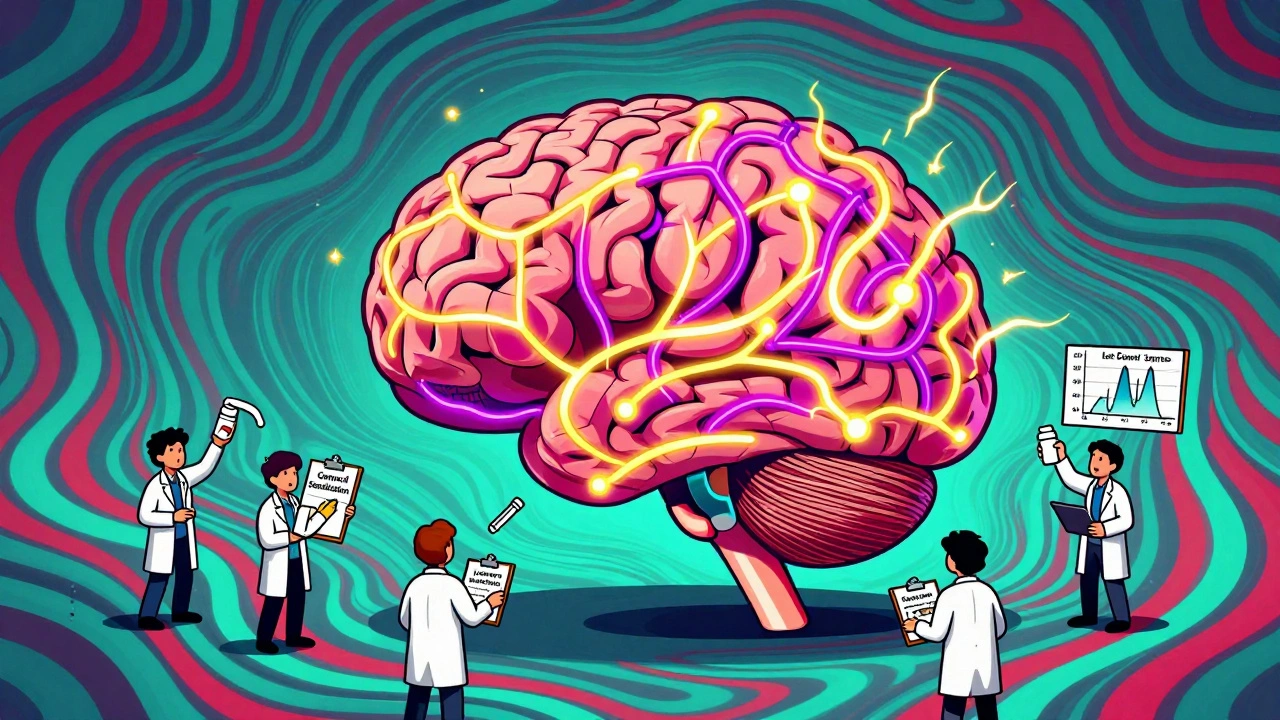
Doctors check for tenderness in specific spots: the temples, the back of the neck, the shoulders. In most cases, these areas are sore to the touch. But here’s the twist - that tenderness isn’t the cause. It’s a side effect. Modern research shows the problem isn’t in the muscles. It’s in the brain. The pain pathways get rewired. Your nervous system becomes hypersensitive. Even normal signals get turned up to 11. That’s called central sensitization. And it’s why stretching your neck might help temporarily, but never fully fixes the problem.
What Actually Triggers These Headaches
People blame stress. And yes, stress plays a role - but not how you think. A 2023 study found that only 22% of tension headaches were triggered by acute stress. The other 78%? They came during the recovery phase - when you finally relax after a long week. That’s why you get them on Sunday nights or after a vacation. Your body isn’t used to turning down the dial.
Here are the real, measurable triggers:
- Sleep too little: Getting under six hours a night makes you 4.2 times more likely to have a headache.
- Caffeine swings: If you drink more than 200mg of caffeine daily (about two large coffees) and then skip it, withdrawal hits fast. It’s not the caffeine itself - it’s the drop.
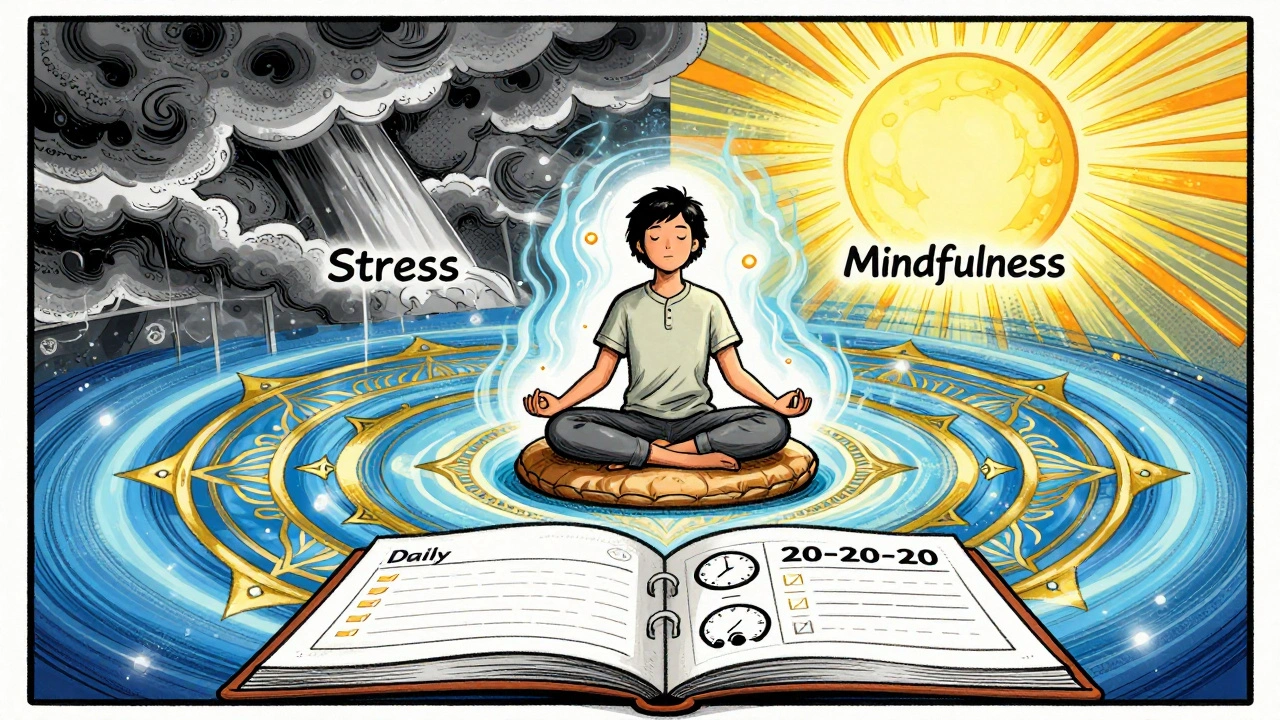
- Screen time: More than seven hours a day on screens? You’re 63% more likely to have headaches. The 20-20-20 rule - every 20 minutes, look at something 20 feet away for 20 seconds - isn’t just advice. It’s backed by data.
- Poor posture: If your head sticks out more than 4.5cm in front of your neck during computer work, your suboccipital muscles are working 2.8 times harder. That’s not just uncomfortable - it’s a headache factory.
- Medication overuse: Taking painkillers (ibuprofen, paracetamol, aspirin) more than 10 days a month doesn’t stop headaches. It makes them worse. This is called medication-overuse headache, and it’s one of the most common reasons chronic tension headaches get stuck.
- Jaw clenching: If you grind your teeth at night or clench during the day, your masseter muscles fire 3.1 times harder during a headache. Dental guards aren’t just for teeth - they’re headache tools.
Weather changes? Vision problems? They play a role for some, but they’re not the main drivers. The biggest triggers are the ones you can control - sleep, caffeine, posture, screen habits, and how often you take pain meds.
How Doctors Diagnose It (And Why It’s Often Wrong)
There’s no scan for chronic tension headaches. No MRI, no blood test. Diagnosis is based on your history, your symptom pattern, and ruling out other things. That’s why so many people wait years.
According to the International Classification of Headache Disorders (ICHD-3), you need:
- Headaches on ≥15 days per month for ≥3 months
- Pain that’s bilateral, pressing/tightening (not pulsing)
- Mild to moderate intensity
- No nausea or vomiting
- Photophobia or phonophobia (light/sound sensitivity) present on ≤15% of headache days
Here’s the problem: 38% of people with chronic daily headaches are misdiagnosed. Many are told they have migraines when they don’t. Others are told it’s just stress and sent away. That delay costs time, money, and mental health.
Good doctors ask for a headache diary - not just a memory. Tracking every headache, what you ate, how much you slept, what meds you took - that’s the gold standard. Apps like Migraine Buddy help. People who keep consistent logs see a 76% improvement in adherence to treatment plans.
What Actually Works for Treatment
Forget quick fixes. Chronic tension headaches need a layered approach. You can’t just pop pills. You have to retrain your brain and habits.
Acute Pain Relief - But Don’t Overdo It
For occasional headaches, NSAIDs like ibuprofen (400mg) work in about 68% of cases. Aspirin (900mg) helps about half. But if you use them more than 10 days a month, you risk turning your headaches into a daily cycle. That’s medication-overuse headache - and it’s harder to treat than the original problem.
Some painkillers, like nimesulide, are banned in 28 countries because they can damage the liver. Stick to ibuprofen, paracetamol, or aspirin - but use them like medicine, not candy.
Prevention - The Real Game Changer
If you’re having headaches 10 or more days a month, prevention is the next step. And the most effective option is still amitriptyline - a low-dose antidepressant. It’s not for depression. It’s for pain. Starting at 10mg at night, slowly increasing to 25-50mg, it reduces headache days by 50-70% in six weeks. But 28% of people quit because of side effects: dry mouth, drowsiness, weight gain (on average, 2.3kg).
There’s a better-tolerated alternative: mirtazapine. A 2022 trial showed it works just as well, but only 35% of people dropped out vs. 62% on amitriptyline. The trade-off? It makes you hungry. But for many, that’s easier than constant fatigue and dry throat.
Botulinum toxin (Botox)? It helps migraines. But for chronic tension headaches? The FDA says no. It doesn’t work. Don’t waste your money.
Non-Drug Treatments That Actually Work
Physical therapy: 12 sessions of craniocervical flexion exercises - targeting the deep neck muscles - reduce headache frequency by 53%. But find a therapist trained in cervicogenic headaches. Only 12% of U.S. physical therapists have that certification.
Cognitive behavioral therapy (CBT): This isn’t talk therapy. It’s brain retraining. A 2021 JAMA Neurology study showed CBT cut headache days by 41% in just 12 weeks. It teaches you how to interrupt the pain cycle, manage stress without triggering it, and change how your brain responds to discomfort.
Mindfulness: Just 15 minutes a day of focused breathing or meditation lowers cortisol by 29% in eight weeks. That’s not magic. That’s biology. Your stress hormone drops. Your nervous system calms. Headaches follow.
Acupuncture? It’s modest. Cochrane Review 2023 found it reduces headaches by about 3.2 days per month - not huge, but better than nothing. And it’s safe.
The Hidden Cost - Mental Health and Quality of Life
Chronic tension headaches don’t just hurt your head. They hurt your life. People report 37% less work productivity. Relationships suffer. Sleep gets worse. Anxiety and depression climb. One study found people with chronic daily headaches are 2.1 times more likely to develop depression.
And here’s the cruel part: many feel dismissed. On Reddit’s r/headaches, over 2,000 people have posted about doctors telling them it’s “just stress.” One user wrote: “I cried in my doctor’s office because I’d had headaches every day for two years and they said, ‘Try yoga.’”
This isn’t weakness. It’s a neurological condition. You need a doctor who understands central sensitization. You need a plan that includes mental health support. CBT isn’t optional - it’s essential.
What Doesn’t Work - And Why You Should Avoid It
Some treatments are still pushed, even though the evidence says no:
- Muscle relaxants (cyclobenzaprine): No strong evidence. High risk of drowsiness and dependency. Avoid.
- Opioids: Zero benefit. High risk of addiction. Never use for tension headaches.
- Triptans: Designed for migraines. Won’t help here. And they’re not approved for CTH.
- Chiropractic neck adjustments: May give temporary relief, but no long-term benefit. Risk of injury if done improperly.
And don’t fall for “miracle cures” - essential oils, detox teas, or unregulated supplements. They’re not backed by science. And they cost money you can’t get back.
What You Can Do Today
You don’t have to wait for a specialist. Start here:
- Get a headache diary - paper or app. Track every day for three weeks.
- Set a fixed sleep schedule. Go to bed and wake up within 20 minutes of the same time, every day.
- Limit caffeine to 200mg/day. No sudden drops.
- Follow the 20-20-20 rule. Set a timer if you have to.
- Stop taking painkillers more than 10 days a month. If you’re over that, talk to your doctor about tapering.
- Try 15 minutes of mindfulness daily. Use a free app like Insight Timer.
- See a physiotherapist trained in neck and head pain - not just any one.
Progress isn’t fast. But it’s real. One person on HealthUnlocked wrote: “I went from 22 headache days a month to 9. All because I stopped changing my bedtime.”
The Future of Treatment
Research is moving fast. A new drug called atogepant, originally for migraines, showed promise in early trials for chronic tension headaches - reducing headache days by over five per month. It’s under FDA Fast Track review.
Scientists are also looking at the gut-brain connection. People with chronic tension headaches have lower levels of a gut bacteria called Faecalibacterium prausnitzii. Could diet and probiotics help? Maybe. But it’s early.
By 2027, the headache classification system (ICHD-4) is expected to rename chronic tension headaches as “primary headache with central sensitization.” That’s not just a name change. It’s a shift in how the medical world sees it - from muscle tightness to brain wiring. And that could mean better care, faster diagnosis, and more targeted treatments.
You’re not alone. And you’re not imagining it. Chronic tension headaches are real, treatable, and manageable - but only if you treat them like the complex condition they are.
Are chronic tension headaches dangerous?
Chronic tension headaches themselves aren’t life-threatening. They don’t cause strokes, tumors, or brain damage. But they can severely lower your quality of life, increase anxiety and depression risk, and lead to medication overuse - which makes headaches worse. The danger isn’t the headache - it’s what happens when it’s ignored or mismanaged.
Can I get rid of chronic tension headaches permanently?
Many people do. It’s not about a single cure. It’s about managing triggers, retraining your nervous system, and building habits that prevent flare-ups. With consistent sleep, stress management, physical therapy, and avoiding medication overuse, most people see a 50% or greater reduction in headache days. Some reach near-zero frequency. It takes time - but it’s possible.
Why do my headaches get worse when I relax?
That’s called the “let-down effect.” When you’re under constant stress, your body stays in high alert. When you finally relax - on a weekend, after work, or on vacation - your cortisol drops suddenly. That drop can trigger a headache. It’s not the relaxation itself. It’s the rapid shift from high stress to low stress. Keeping a consistent routine helps your body avoid this crash.
Is amitriptyline addictive?
No, amitriptyline is not addictive. It’s not a painkiller or a sedative. It’s a low-dose antidepressant that works on pain pathways in the brain. You won’t get high from it. But you can develop side effects like dry mouth or weight gain. Stopping it suddenly can cause withdrawal symptoms like nausea or sleep issues - so always taper off under a doctor’s guidance.
Should I get an MRI for my chronic headaches?
Usually, no. If your neurological exam is normal, your headaches match the pattern of chronic tension headaches, and you have no red flags (like sudden severe pain, vision loss, weakness, or confusion), an MRI won’t change your treatment. Imaging is used to rule out rare causes - not to diagnose tension headaches. Unnecessary scans add cost and anxiety without benefit.
Can children get chronic tension headaches?
Yes. While more common in adults, children and teens can develop them, especially with poor sleep, high screen time, or academic stress. The diagnostic criteria are similar, but treatment is adjusted for age. CBT and lifestyle changes are first-line. Medications are used cautiously and only if needed.
How long does it take for prevention treatments to work?
It varies. Amitriptyline and mirtazapine usually take 4-6 weeks to show effect. CBT often shows improvement in 8-12 weeks. Physical therapy may take 6-10 sessions before you notice a real change. Don’t give up if you don’t feel better in a week. This is a slow process - but the results last.
Is it safe to take ibuprofen every day for chronic headaches?
No. Taking NSAIDs like ibuprofen more than 10 days a month can cause medication-overuse headaches. It’s a vicious cycle: you take painkillers to stop the headache, but they end up causing more. Stick to the limit. If you’re over it, talk to your doctor about a tapering plan. Your body needs to reset.
Can diet affect chronic tension headaches?
Not directly - but indirectly, yes. Dehydration (serum osmolality above 295 mOsm/kg) is a known trigger. Skipping meals can cause blood sugar drops that trigger headaches. Some people report sensitivity to MSG, nitrates, or artificial sweeteners, but evidence is weak. The biggest dietary factor? Consistency. Eat regularly. Stay hydrated. Avoid caffeine spikes and crashes.
Where can I find support for chronic tension headaches?
Organizations like the American Headache Society offer free resources, including their HeadWise program, which has helped over 12,000 people reduce disability. Online communities like r/headaches on Reddit and HealthUnlocked provide peer support. Look for certified headache specialists - not just general neurologists. They know the difference between tension headaches and migraines, and they know what actually works.

Kaitlynn nail
Chronic tension headaches aren't stress. They're your nervous system screaming that it's been overworked for years and nobody listened. We treat the body like a machine that just needs a reset button. It's not that simple. The brain rewires itself. And no, yoga won't fix it.
Michelle Edwards
I was told it was 'just anxiety' for 4 years. Then I started tracking sleep and caffeine. Cut my headaches in half. Not magic. Just data. You don't need a miracle. You need consistency.
Doris Lee
Someone needs to tell the doctors who still think this is 'muscle tension' that the science moved on in 2018. Central sensitization isn't a buzzword. It's the diagnosis. If your doctor doesn't know what that means, find a new one. Your pain is real, and you deserve better than 'try yoga.'
Also, amitriptyline isn't a antidepressant here. It's a pain modulator. Stop being weird about it. It's not about mood. It's about turning down the volume on your nervous system.
Michaux Hyatt
For anyone reading this and thinking 'I can't afford therapy' - CBT isn't always expensive. Look into university clinics or digital programs like Woebot or MoodGYM. They’re free or low cost. And they work. I did 12 weeks online. Headache days dropped from 20 to 6. Not because I'm strong. Because the tools worked.
Also - yes, the let-down effect is real. I used to get them every Sunday. Now I keep my routine even on weekends. No more crashes. No more guilt. Just steady.
Raj Rsvpraj
Western medicine is a joke. You people treat pain like a software bug. 'Just rewire your brain.' No. The problem is toxins. EMF radiation from screens. Glyphosate in your coffee. The government doesn't want you to know this. But I do. I've read the papers. The WHO is suppressing the truth. Your headaches? They're not neurological. They're environmental poisoning. Take the red pill. Stop drinking coffee. Stop using phones. Go live in the mountains. That's the real cure.
Also, amitriptyline? That's Big Pharma's way of keeping you dependent. They don't want you cured. They want you medicated forever.
Aileen Ferris
central sensitization? more like central nonsense. i got headaches cause i drink too much wine and sleep on my face. science is just fancy words for what grandmas knew: rest, drink water, stop stressing. also, who the hell uses 'suboccipital muscles' in a reddit post? 🤡
Nikki Smellie
They’re not telling you the truth. The real cause? The 5G towers. Every time you use your phone, it sends signals that scramble your brain’s pain receptors. That’s why it gets worse at night - the towers are strongest then. And the doctors? They’re paid by the telecom companies. Amitriptyline? It’s not for pain. It’s to keep you docile while they monitor your neural activity.
Also, I’ve been using Himalayan salt lamps and grounding mats. My headaches dropped 80% in 3 weeks. Nobody talks about this. But I’m speaking up. For the people.
Neelam Kumari
Wow. So you spent 2000 words saying 'sleep more and stop taking ibuprofen'? Congrats. You just wrote a 101 article. I’ve had this for 12 years. None of this worked. The only thing that helped? Moving to a different country. The air here is poison. Your 'science' is just corporate fluff. You think your 20-20-20 rule fixes anything? Try living in a 500 sq ft apartment with no windows. See how your 'evidence-based' advice holds up.
Queenie Chan
I love how this post doesn’t just list facts - it names the invisible villains: the let-down effect, the caffeine crash, the silent rewiring of the brain. It’s like someone finally wrote the memoir of a nervous system that’s been holding its breath for years.
And the fact that Botox doesn’t work for this? That’s the punchline no one sees coming. We’ve been sold so many snake oils - but this? This is the real deal. No glitter. No hype. Just biology. I’m printing this out and taping it to my fridge.
Rebecca Dong
Okay but what if the headaches are actually a spiritual awakening? I started getting them after I quit my corporate job and began meditating. My chakras were clearing. The pain? It was my third eye opening. I didn’t need medicine. I needed a shaman. Also, I think the government is using microwave beams to induce tension headaches in women to keep us docile. That’s why 60% are women. They’re scared of us thinking too clearly.
Sarah Clifford
i just take tylenol when i feel one coming and i’m fine. why are you all making this so complicated? it’s just a headache. you’re all acting like you’re dying. chill.
Regan Mears
To the person who said amitriptyline is addictive - please read the section again. It’s not. It’s not a narcotic. It’s a tricyclic antidepressant used off-label for pain modulation. The side effects are real, but the fear around it is often worse than the medication itself.
And to the conspiracy folks - I get it. You’ve been dismissed. You’ve been told it’s 'all in your head.' But the answer isn’t 5G or glyphosate. It’s a system that doesn’t prioritize chronic pain patients. We need better education, better access, and better doctors. Not magic. Not fear. Just science - and compassion.
And yes, CBT works. I did it. My life changed. You don’t have to believe me. Just try it for 8 weeks. No cost. Just effort.
Frank Nouwens
This is one of the most thoughtful, evidence-based summaries I’ve seen on this topic. The distinction between trigger and cause - especially the let-down effect - is something every patient should hear. Too often, we’re blamed for not relaxing enough, when in fact, our bodies don’t know how to switch off.
I’ve been seeing a cervicogenic specialist for six months. Twelve sessions of craniocervical flexion. It’s not glamorous. It’s not quick. But after month three, I had a full weekend without a headache. For the first time in five years.
Thank you for writing this. It’s not just information. It’s validation.
Ben Greening
Consistent sleep schedule. Fixed. Caffeine under 200mg. Fixed. Painkillers limited to 8 days/month. Fixed.
Headache frequency down from 24 to 11 days/month in 6 weeks. Not cured. But functional. That’s enough for now.