It sounds like a bad idea. Flushing medicine down the toilet? We’ve all been told not to do it because of environmental concerns. But what if your medicine is dangerous enough that leaving it in the trash could kill someone?
The U.S. Food and Drug Administration (FDA) has a specific list of drugs that they actually recommend you flush. This isn’t a suggestion for every leftover pill. It’s a safety net for medications so potent that even one dose can cause death or serious harm if accessed by children, pets, or unauthorized people.
If you have these specific drugs at home, knowing how to dispose of them correctly is a matter of life and death. Let’s break down exactly which medicines are on this list, why they’re there, and what you should do before you reach for the plunger.
Why Does the FDA Recommend Flushing Some Drugs?
You might be wondering why the FDA would suggest flushing anything when we know pharmaceuticals can end up in our water supply. The answer comes down to immediate risk versus long-term environmental impact.
The FDA Flush List is a specific set of medications recommended for disposal by flushing due to high potential for accidental exposure, misuse, or fatal overdose. These drugs are considered "immediately dangerous." If a child finds a bottle of regular ibuprofen in the trash, it’s scary, but likely not fatal. If a child finds a used fentanyl patch, however, the remaining drug residue can be lethal.
Dr. Scott Gottlieb, former FDA Commissioner, put it bluntly: "The flush list is intentionally short and only includes medicines that are most dangerous in the wrong hands." The agency weighed the risks. For these specific drugs, the immediate threat to human health outweighs the potential environmental harm from flushing.
This guidance was established in 2007 and updated regularly. The latest update came in April 2024. The Environmental Protection Agency (EPA) agrees with this approach for households but strictly prohibits healthcare facilities from flushing hazardous waste. This distinction is crucial: this rule applies to you at home, not hospitals or clinics.
The Official List: What Goes Down the Drain?
Not every opioid or strong painkiller is on this list. Only specific formulations with high abuse potential or rapid absorption rates make the cut. As of the April 2024 update, here are the active ingredients and brand names you need to look for:
- Buprenorphine: BELBUCA, BUAVAIL, BUTRANS, SUBOXONE, SUBUTEX, ZUBSOLV
- Fentanyl: ABSTRAL, ACTIQ, DURAGESIC patches, FENTORA, ONSOLIS
- Hydromorphone: EXALGO extended-release tablets
- Meperidine: DEMEROL
- Methadone: DOLOPHINE, METHADOSE
- Morphine: ARYMO ER, AVINZA, EMBEDA, KADIAN, MORPHABOND ER, MS CONTIN, ORAMPH SR
- Oxymorphone: OPANA, OPANA ER
- Tapentadol: NUCYNTA, NUCYNTA ER
- Sodium Oxybate: XYREM, XYWAV
- Diazepam Rectal Gel: DIASTAT, DIASTAT ACUDIAL
- Methylphenidate Transdermal System: DAYTRANA
If your medication name matches any of these, it belongs on the Flush List. If it doesn’t, do not flush it. Regular antibiotics, blood pressure meds, and non-controlled pain relievers should never go down the toilet unless a take-back option is impossible and they pose no immediate danger.
Step 1: Always Check for Take-Back Programs First
Flushing is the last resort. The FDA’s primary recommendation is always to use a drug take-back program. These programs safely destroy medications without releasing chemicals into the water system.
Here is how to find one:
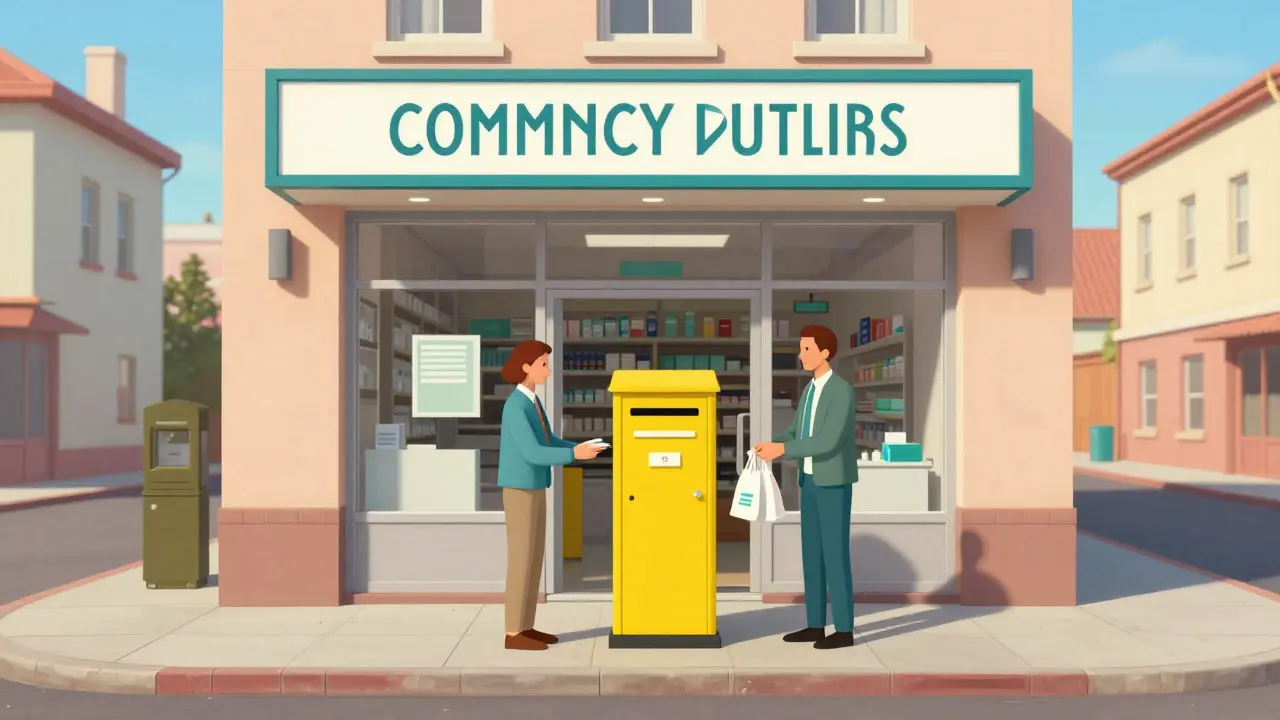
- Check Local Pharmacies: Many chain pharmacies and independent stores have drop-boxes. Ask your pharmacist if they accept controlled substances.
- DEA National Take Back Day: Held twice a year, usually in April and October. The Drug Enforcement Administration sets up collection sites across the country.
- Law Enforcement: Many police stations have permanent drop boxes. Check the DEA Diversion Control Division website to search for locations near you.
A 2023 survey found that 67% of Americans were unaware of proper disposal methods. Don’t be part of that statistic. A quick phone call to your local pharmacy can save you from having to flush your meds. However, if you live in a rural area where the nearest drop-off is hours away, or if you have an urgent need to dispose of the drug immediately, then flushing becomes the safer choice.
How to Flush Safely: The Right Way
If you’ve confirmed there are no take-back options within a reasonable distance, and your medication is on the Flush List, follow these steps carefully. Improper flushing can still leave residues accessible.
| Step | Action | Reason |
|---|---|---|
| 1 | Remove Personal Info | Scrub off names and addresses from bottles to protect privacy before discarding packaging. |
| 2 | Prepare Patches/Gels | Fold fentanyl patches in half, sticky sides together. Close gel tubes tightly. |
| 3 | Flush Immediately | Drop pills/patches directly into the bowl and flush. Do not let them sit in the bowl. |
| 4 | Dispose of Packaging | Throw empty bottles/boxes in household trash after removing personal data. |
For fentanyl patches specifically, the FDA issued a consumer update in September 2012 emphasizing that you must fold the patch in half with the sticky sides touching. This minimizes the surface area exposed if someone were to retrieve it from the toilet (unlikely, but possible). Then, flush it immediately. Do not wrap it in tissue first; the goal is to get it into the sewer line quickly.
What About Environmental Impact?
This is the big question. Isn’t flushing bad for the environment? Yes, generally it is. The EPA strongly discourages flushing most pharmaceuticals. However, for the drugs on the Flush List, the math changes.
The FDA conducted an environmental assessment in 2021. They concluded that the risk of accidental human exposure-which can lead to emergency room visits, hospitalizations, or death-far outweighs the potential environmental impact of flushing these specific, small quantities of drugs from households.
USGS monitoring in 2023 detected trace levels of some Flush List medications in 23% of sampled streams. However, these concentrations were well below therapeutic levels, meaning they don’t pose a significant risk to aquatic life or drinking water quality compared to the immediate danger to humans in your home.
Remember, this exception is narrow. It does not apply to antidepressants, hormones, or common over-the-counter drugs. Those should always go through take-back programs or be mixed with unpalatable substances like cat litter or coffee grounds and sealed in a bag before trashing, if take-back isn’t available.
Common Mistakes to Avoid
Even well-meaning people make errors when disposing of meds. Here are the pitfalls to watch out for:
- Flushing Non-List Drugs: Just because it’s a strong painkiller doesn’t mean it’s on the Flush List. Check the official FDA page. Flushing unnecessary drugs harms the environment without saving lives.
- Leaving Patches in Trash: Used fentanyl patches can retain up to 90% of their original dose. Throwing them in the trash is a major hazard. The FDA Adverse Event Reporting System documented 217 cases of accidental fentanyl exposure in children between 2010 and 2022, with 9 fatalities linked to improper disposal.
- Ignoring Privacy: Before throwing away the empty bottle, remove or scratch out your name, address, and prescription number. Identity theft via medical waste is a real, albeit rare, risk.
- Assuming All Opioids Are Equal: Oxycodone (OxyContin) is not on the Flush List. Hydrocodone (Vicodin) is not on the Flush List. Only specific brands and formulations listed above require flushing. When in doubt, use a take-back program.
Storing Meds Safely Until Disposal
If you aren’t ready to dispose of the medication today, storage is critical. The goal is to prevent access until you can properly discard it.
Keep medications in a locked box or cabinet. High places are not enough; toddlers climb, and curious teens can pick locks. If you have pets, ensure the storage area is inaccessible to them as well. Never leave medications on countertops, nightstands, or in open bags.
If you are traveling, keep meds in your carry-on luggage and store them securely in your hotel room safe. Accidental exposures often happen when visitors or houseguests rummage through drawers looking for other items.
When to Call for Help
If you suspect someone has ingested a medication from the Flush List, time is critical. Do not wait for symptoms to appear. Call Poison Control at 1-800-222-1222 (in the US) or your local emergency number immediately. Have the medication bottle handy to provide exact details about the drug and dosage.
For questions about local disposal laws, contact your city’s health department. Some municipalities have strict bans on flushing any medication, regardless of the FDA list. In those cases, you may need to contact law enforcement for guidance on secure disposal alternatives.
Is it illegal to flush medications?
No, it is not illegal for households to flush medications on the FDA Flush List. In fact, the FDA recommends it when take-back options are unavailable. However, some local municipalities may have specific ordinances restricting flushing. Always check your local regulations. Healthcare facilities, however, are prohibited by EPA rules from flushing hazardous pharmaceutical waste.
Can I flush my leftover antibiotics?
No. Antibiotics are not on the FDA Flush List. Flushing them contributes to antibiotic resistance in the environment. Instead, use a drug take-back program. If that’s not available, mix them with an unappealing substance like dirt or cat litter, seal them in a container, and throw them in the trash.
What if I live in a rural area with no take-back sites?
If you live in a rural area and the nearest take-back site is impractical to reach, the FDA recommends flushing medications on the Flush List. The immediate risk of accidental ingestion by children or pets outweighs the environmental concern in these scenarios. For non-Flush List drugs, consider storing them securely until you can travel to a drop-off point.
Does the Flush List change?
Yes. The FDA reviews the list periodically based on new safety data and the availability of safer formulations. The list was last updated in April 2024. Always check the current FDA website for the most up-to-date information before disposing of any medication.
How do I dispose of fentanyl patches safely?
Fold the used fentanyl patch in half with the sticky sides together to minimize exposed drug residue. Then, flush it down the toilet immediately. Do not place it in the trash, as the remaining drug can be lethal if accessed by children or pets. Dispose of the empty packaging in the trash after removing personal information.

Alex Johnston
typical government overreach disguised as public safety :/ they want you to poison the water supply because 'immediate risk' is their only metric while they ignore the long term ecological collapse we are heading towards. it is a classic false dichotomy set up by big pharma and regulatory bodies who care more about liability than the planet. we are flushing our future down the toilet literally and metaphorically. the environmental impact is not negligible when you consider bioaccumulation in aquatic systems which eventually enters our food chain anyway. they call it a 'safety net' but it feels more like a trap for the unsuspecting masses who just follow instructions without questioning the underlying motives of these institutions. why do we trust an agency that has been compromised by corporate lobbying to make decisions about what is safe? it is all part of the grand design to keep us dependent on their systems and afraid of natural consequences. think about it people. really think about it. :)
Dale Simpson
hey guys! this is actually super important info to have around the house! i was totally clueless about the flush list until now and its kinda scary how easy it is to mess up disposal. if you have any of those meds please check the list! better safe than sorry right? lets look out for each other and keep our homes safe for kids and pets! great post!
Charlotte Stuart
The distinction between household and institutional disposal is frequently misunderstood by the layperson, leading to widespread non-compliance with EPA regulations among healthcare providers who mistakenly apply household guidelines to clinical waste streams. It is imperative that one consults the specific FDA guidance documents rather than relying on secondary summaries which often omit critical nuances regarding formulation-specific risks such as transdermal patches versus oral tablets. The assumption that all opioids carry equal risk is demonstrably false and reflects a lack of pharmacological literacy.
Annemarie Kautz
i mean sure but its still gross to think about flushing stuff. my grandma used to throw everything in the trash and nothing happened so why change now? seems like a lot of hassle for something that probably doesnt matter that much in the grand scheme of things. also typos everywhere in my head lol
Bruno Sarri
I appreciate the clarity on this topic because it’s genuinely stressful to know what to do with leftover prescriptions, especially when you’re trying to be environmentally conscious. It’s reassuring to see that there is a clear protocol for high-risk medications, even if it goes against our general instinct to avoid flushing anything. I always try to take my family to the pharmacy drop-offs whenever possible, but living in a rural area makes that difficult sometimes. Knowing that flushing is the recommended last resort for drugs like fentanyl patches gives me peace of mind that I’m prioritizing immediate safety for my children and neighbors. It’s a tough balance between environmental stewardship and personal safety, but I trust the FDA’s assessment here. Thanks for breaking down the steps so clearly.
Sam Dudgeon
you really think folding a patch is enough to stop someone from getting high or dying? its naive. people are desperate and will dig through trash regardless of how you fold it. the real issue is that society has become weak and unable to handle basic responsibilities without needing a federal agency to hold their hand. you should lock your meds away properly instead of relying on these temporary fixes. it shows a lack of discipline in the household management structure. stop making excuses and secure your property correctly.
Sumit gupta
just observing that most people dont read the labels anyway. its good to have this list though. simple enough.
alexander barrera
This is exactly why American regulations are superior 🇺🇸 While other countries struggle with vague guidelines, the FDA provides clear, actionable steps that prioritize human life above all else. Those who complain about environmental impact are ignoring the immediate threat to public health posed by accidental opioid ingestion. We need to support policies that protect our citizens first and foremost. The world looks to the US for leadership in healthcare safety standards. Don't let the anti-American narrative fool you into thinking otherwise. This is common sense enforcement 👍
Hema Khimasia
The epistemological framework underlying the FDA's risk-benefit analysis relies heavily on probabilistic models of acute toxicity versus chronic environmental exposure. One must consider the ontological status of pharmaceutical residues in aqueous ecosystems and how they interact with biological membranes at a molecular level. The decision to flush is not merely practical but ethical, weighing the potentiality of harm to vulnerable populations against the actuality of ecological disruption. It is a complex utilitarian calculation that requires nuanced understanding of both pharmacokinetics and environmental science.