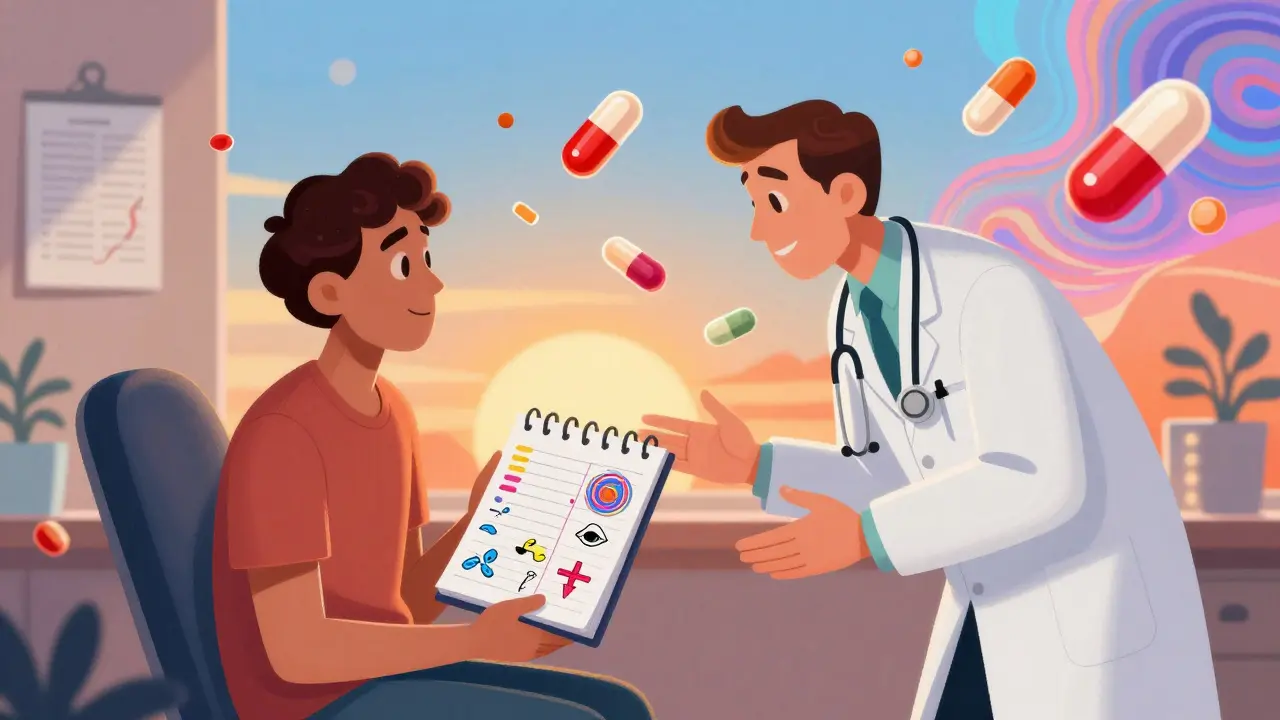
If your medication isn’t doing what it’s supposed to, you’re not alone. About half of all people don’t take their prescriptions as directed, and a big reason? They don’t feel like it’s helping. But staying silent won’t fix it. The truth is, your doctor needs to hear from you-clearly and specifically-if a drug isn’t working. This isn’t about being difficult. It’s about getting the right treatment for your body, your life, and your goals.
Prepare Before Your Appointment
Don’t wait until the last minute to think about what to say. Start tracking your symptoms as soon as you notice the medication isn’t working. Write down:- When you take the medicine and when you notice it’s not working
- Specific symptoms you’re still having (e.g., "My joint pain is still at a 7/10 after two weeks")
- Any new side effects (dizziness, nausea, trouble sleeping, mood changes)
- How your daily life is affected (e.g., "I can’t walk to the store without pain")
Ask the Right Questions
Your doctor might not bring up alternatives unless you do. Don’t be afraid to lead the conversation. Here are the most effective questions to ask:- "Why am I taking this medication?"
- "What are the benefits and risks of continuing it?"
- "Are there other medicines that might work better for me?"
- "Can I try a lower dose or stop it altogether?"
- "Will this affect my other medications?"
- "Do I have any other choices besides pills?"
Know That Non-Medication Options Exist
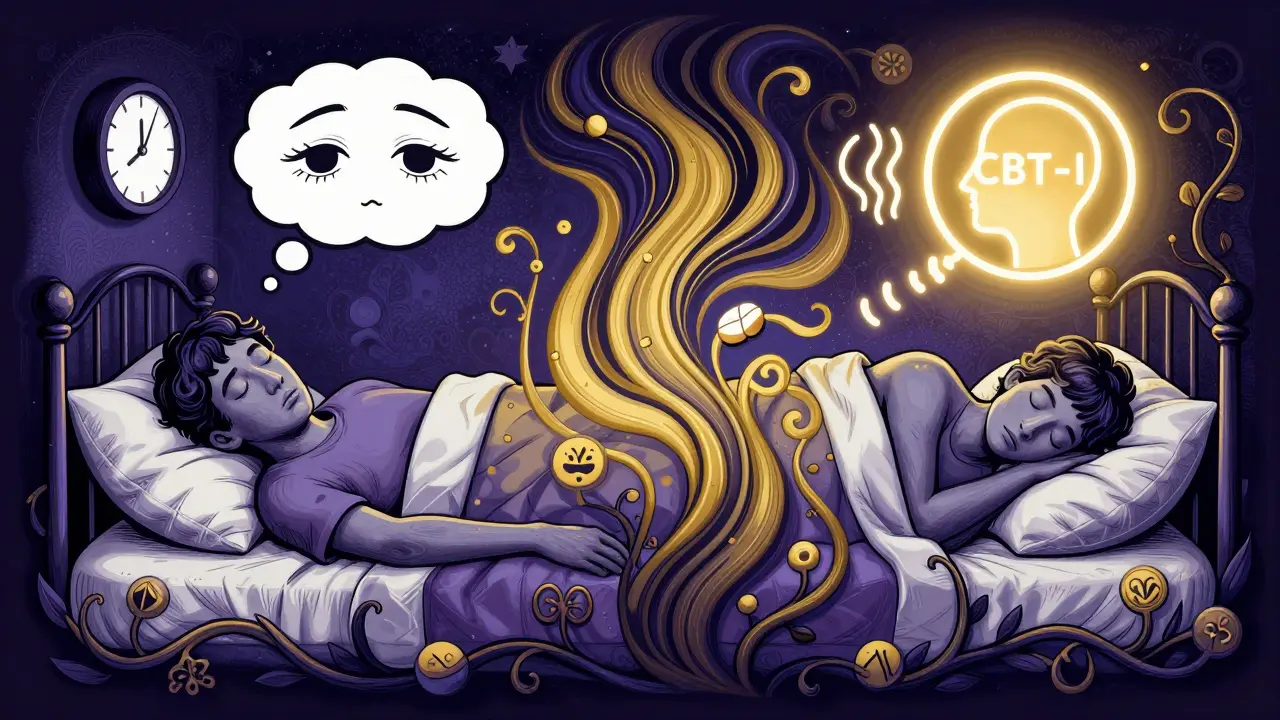
Many people assume the only alternative is another pill. But that’s not true. Often, the best option isn’t a different drug-it’s a different approach entirely. For example:- For insomnia: Cognitive behavioral therapy for insomnia (CBT-I) works as well as sleeping pills after eight weeks-with no risk of dependence.
- For type 2 diabetes: A healthy diet, regular walking, and losing 5-10% of body weight can lower blood sugar just as much as metformin for many people.
- For acid reflux: Cutting out spicy foods, eating earlier at night, and using antacids like Tums can resolve symptoms in more than half of people who thought they needed proton-pump inhibitors.
- For low back pain: Exercise, physical therapy, and acupuncture can relieve pain just as well as NSAIDs, without stomach or kidney risks.
- For mild-to-moderate anxiety: Therapy, breathing techniques, and mindfulness are just as effective as SSRIs, according to a 2022 meta-analysis in Lancet Psychiatry.
Speak Up About Side Effects and Costs
If you’re having side effects-drowsiness, weight gain, brain fog, dizziness-say it. Don’t downplay them. A 2023 study showed that patients who documented specific side effects got faster attention to alternatives. And if the cost is too high? Say it outright. Ask: "Is there a generic version? Or a cheaper alternative that works just as well?" A 2022 AARP report found that 62% of patients who asked about cost were offered a lower-priced option they hadn’t known existed. Some medications have serious risks, especially for older adults. The American Geriatrics Society’s 2023 Beers Criteria lists 34 drugs with high risks for confusion, falls, or memory loss. If you’re over 65 and taking any of these, ask: "Could this be making me unsteady or forgetful?"Request Written Instructions and Follow Up
If your doctor suggests a change, don’t leave without written instructions. A MedlinePlus survey found that patients who got written directions understood their new regimen 40% better than those who only heard it verbally. Also, ask: "When should I follow up?" Don’t wait for your next scheduled visit if you’re still not feeling better. Many clinics now have patient portals where you can send secure messages. Use them. Waiting too long to speak up can mean weeks of unnecessary suffering.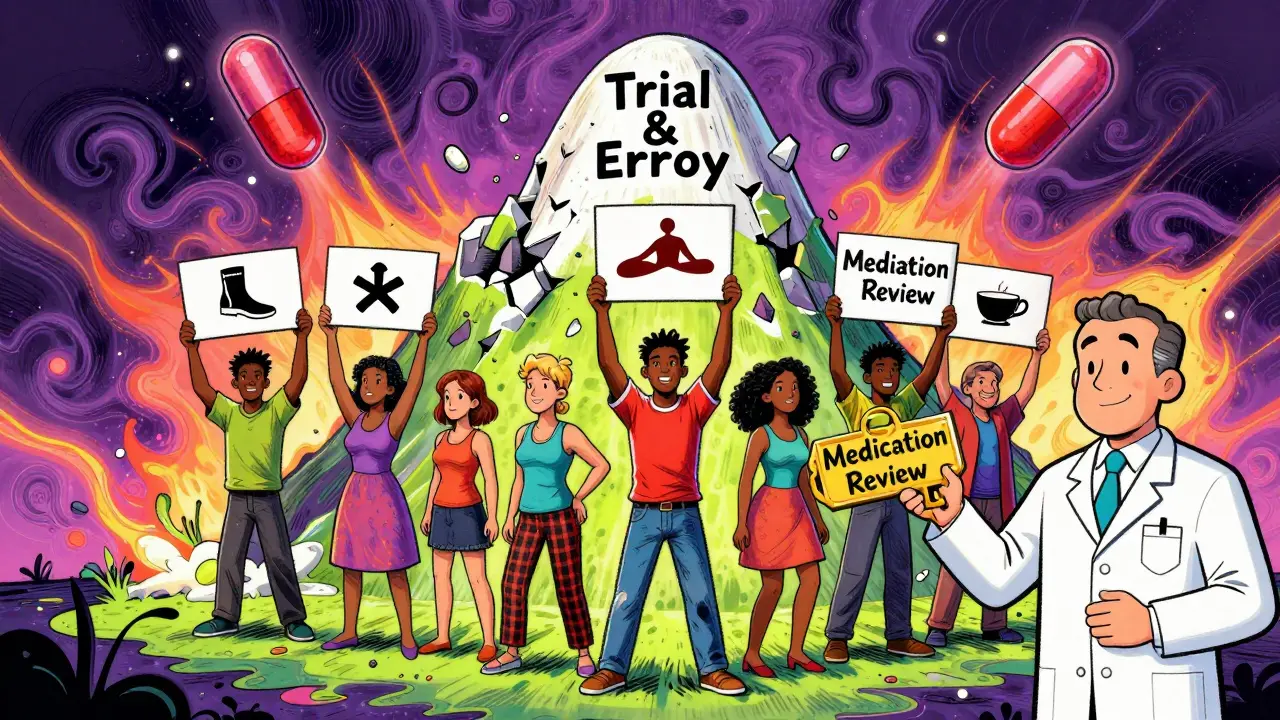
What If Your Doctor Dismisses You?
It happens. About 41% of patients say they felt dismissed when asking for alternatives. If your doctor brushes you off, says you’re "non-compliant," or tells you to "just give it more time," you have options. Ask: "Can you explain why you think this is still the best option?" Sometimes, hearing their reasoning helps you decide if you agree. If the conversation stays unproductive, consider asking for a referral to a specialist-or finding a new provider. You deserve a doctor who listens. The Patient-Centered Medical Home model, endorsed by the Agency for Healthcare Research and Quality, says your input isn’t optional-it’s part of the standard of care.What’s Changing in Healthcare Right Now
The system is slowly catching up. Medicare now pays doctors more for spending time on medication reviews (CPT codes 99487-99489). Electronic health records now let you log medication concerns before your visit through tools like Epic’s MyMedList. And by 2027, 75% of primary care providers are expected to use genetic testing to help pick the right drug for you-cutting out trial-and-error entirely. But until then, the power is still in your hands. You don’t need to be an expert. You just need to be honest, prepared, and persistent.When to Consider a Medication Review
You should schedule a formal medication review if:- You’re taking five or more medications
- You’ve had a recent hospital stay
- You’re over 65
- You’ve noticed new side effects or memory issues
- You’re not sure why you’re taking something
What if my medication stopped working after months of helping?
This is more common than you think. Your body can adapt to some medications over time, or your condition may have changed. Don’t assume it’s your fault. Bring your symptom log to your next appointment and ask: "Could my body be adjusting to this drug? Are there other options that might work better now?"
Can I stop taking a medication on my own if it’s not working?
Never stop a prescription cold turkey without talking to your doctor. Some medications, like antidepressants, blood pressure pills, or steroids, can cause serious withdrawal effects. Always ask: "What’s the safest way to stop or switch?" Your doctor can help you taper off safely or switch to something else.
How do I know if a new medication is better than the old one?
Set clear goals before starting a new drug. Ask: "What should I expect in two weeks?" Then track your symptoms daily. If you’re not seeing improvement by then, or if new side effects appear, call your doctor. A good doctor will want to know-this isn’t failure, it’s part of finding the right fit.
Is it normal to try multiple medications before finding one that works?
Yes. Especially for conditions like depression, chronic pain, or autoimmune disorders, finding the right treatment often takes time. But that doesn’t mean you should wait months in discomfort. Use each trial as data: what worked, what didn’t, what side effects you had. That history helps your doctor make smarter choices next time.
What if I can’t afford to see my doctor often?
You don’t need frequent visits to make progress. Use your patient portal to send updates. Many clinics offer telehealth check-ins for medication concerns. You can also ask your pharmacist for a free 10-minute consultation-they often see your full medication history and can help you prepare questions for your doctor.

Josh josh
bro i just told my doc i was tired of feeling like a zombie and she switched me to a cheaper generic in 10 minutes
Joanna Domżalska
you think this is about medication? no. this is about control. the system wants you dependent. pills are profit centers. your body doesn't need drugs, it needs truth. you're being manipulated by pharma and their lapdog doctors. wake up.
Mohammed Rizvi
man i tried 5 antidepressants before one actually let me sleep without crying. turned out i just needed to stop drinking soda and start walking 20 mins a day. doctors don't tell you that part. they just hand you another script like it's candy.
eric fert
look, i get it, you want to feel better, but this whole 'ask for alternatives' thing is just another corporate wellness fantasy sold to middle-class americans who think their suffering is unique. the truth is most of these meds work fine for most people. it's not the drug, it's your mindset. you're not sick, you're just emotionally lazy. why not just try being less dramatic? your pain is probably 70% psychological. and don't even get me started on acupuncture for back pain. that's just placebo with incense.
Uche Okoro
the empirical validity of pharmacological intervention trajectories is contingent upon patient-reported outcome measures (PROMs) calibrated against standardized symptomatology scales. without granular temporal mapping of pharmacodynamic response curves, clinicians are operating in a state of epistemic uncertainty. i submitted a 14-day visual analog scale log with covariate analysis of sleep architecture and cortisol flux - the clinician immediately initiated a pharmacogenomic panel and switched me from sertraline to vortioxetine. the effect size was d=0.82, p<0.001. this isn't anecdotal - it's translational medicine.
Nicholas Miter
my grandma was on 8 meds. i sat with her at the pharmacy and asked the pharmacist to walk us through each one. turned out 3 were duplicates, 2 were for stuff she stopped having 3 years ago, and one was making her dizzy. he gave her a printed list with colors and simple names. she’s been walking her dog every morning since. you don’t need to be loud. you just need to be ready.
Ryan W
why are we letting bureaucrats and pharmaceutical lobbyists dictate healthcare? this country spends 20% of GDP on medicine and we’re still the worst in the developed world. you want alternatives? stop paying for insurance. go to a clinic that doesn't care about billing codes. stop trusting doctors who get paid to push pills. real healthcare is free - it’s called food, sleep, and movement. the rest is corporate theater.
Henry Jenkins
i think the real issue here is that we treat medication like a final answer instead of a tool. if you're on something for anxiety and it’s not working, maybe the problem isn't the drug - maybe it’s that you’re still working 70 hours a week, eating takeout every night, and not talking to anyone. i had a friend who switched from Lexapro to therapy and hiking. she said the meds helped her get to the point where she could actually face the real stuff. the drug didn’t fix her - it just gave her the stability to fix herself. maybe that’s the real alternative.
Rakesh Kakkad
As per the WHO’s 2023 Global Medication Adherence Guidelines (Section 4.2.1), non-compliance is statistically correlated with socioeconomic disenfranchisement and lack of cognitive literacy. The patient’s failure to achieve therapeutic efficacy is not attributable to pharmacological inadequacy, but rather to the absence of structured psychoeducational scaffolding. I recommend immediate referral to a certified Medication Therapy Management (MTM) specialist, preferably one with a PhD in Clinical Pharmacoeconomics, to ensure optimal adherence and cost-benefit alignment.
Suresh Kumar Govindan
the government is hiding the truth. these drugs are designed to keep you docile. the real cure is fasting, sunlight, and avoiding fluoride. your doctor is paid by the illuminati. if you want to heal, stop trusting science. listen to the old ways. your ancestors didn’t need pills. why are you weaker than them?
TONY ADAMS
my sister took 3 different anxiety meds and none worked. then she just started going to the park and talking to strangers. said it felt like therapy but without the chair. now she’s off everything. weird right? but it worked.
bella nash
It is imperative to acknowledge the ontological primacy of the patient-provider dyad in therapeutic decision-making. The imposition of algorithmic protocols, while ostensibly efficiency-driven, fundamentally undermines the hermeneutic nature of medical consultation. One must not conflate the procedural efficiency of electronic health records with the existential authenticity of lived experience. To reduce human suffering to quantifiable metrics is not medicine - it is administrative reductionism.