
Imagine you’re halfway through a two-week trip in a tropical destination. You reach for your daily medication, only to realize it’s been sitting in a hot car or a humid hotel bathroom for days. Is it still safe? For many travelers, this is more than a hypothetical worry-it’s a potential health crisis. Improper storage doesn’t just shorten shelf life; it can render critical drugs ineffective or even dangerous.
The good news is that keeping your meds potent while traveling isn’t rocket science. It requires a bit of planning, the right gear, and knowing exactly what your specific prescriptions need. Whether you’re managing diabetes, asthma, or chronic pain, understanding how temperature, light, and humidity affect your pills and injections is the first step to staying healthy on the road.
Know Your Medication’s Temperature Needs
Not all medications are created equal when it comes to storage. The biggest mistake travelers make is assuming everything stays stable at room temperature. According to data from the American Pharmacists Association, about 78% of common medications require standard room temperature storage, defined as between 68°F and 77°F (20°C to 25°C). These drugs can usually handle short excursions up to 86°F (30°C) without losing potency.
However, if you take cold-chain medications, the stakes are much higher. This group includes insulin, certain biologics like adalimumab (Humira), and epinephrine auto-injectors (EpiPens). These must stay strictly between 36°F and 46°F (2°C to 8°C). A study published in the *Journal of Pharmaceutical Sciences* found that just 30 minutes outside this range can reduce efficacy by up to 25% for some biologics. If you leave insulin in a hot car for an hour in summer heat, you might be injecting sugar water instead of medicine.
| Medication Type | Required Temp Range | Risk of Exposure |
|---|---|---|
| Room Temp Drugs (e.g., Acetaminophen, Metformin) |
68°F - 77°F (20°C - 25°C) |
Low. Can tolerate brief heat spikes up to 86°F. |
| Cold-Chain Drugs (e.g., Insulin, EpiPen) |
36°F - 46°F (2°C - 8°C) |
High. Efficacy drops significantly above 46°F or below 32°F. |
| Light-Sensitive Drugs (e.g., Nitroglycerin, some antibiotics) |
Varies | Moderate. Direct sunlight degrades chemicals rapidly. |
Always check the label or ask your pharmacist. Some drugs, like aspirin, break down into vinegar and salicylic acid when exposed to moisture and heat, which can cause stomach irritation. Knowing the specific limits for your prescriptions prevents guessing games later.
Packing Smart: Gear That Works
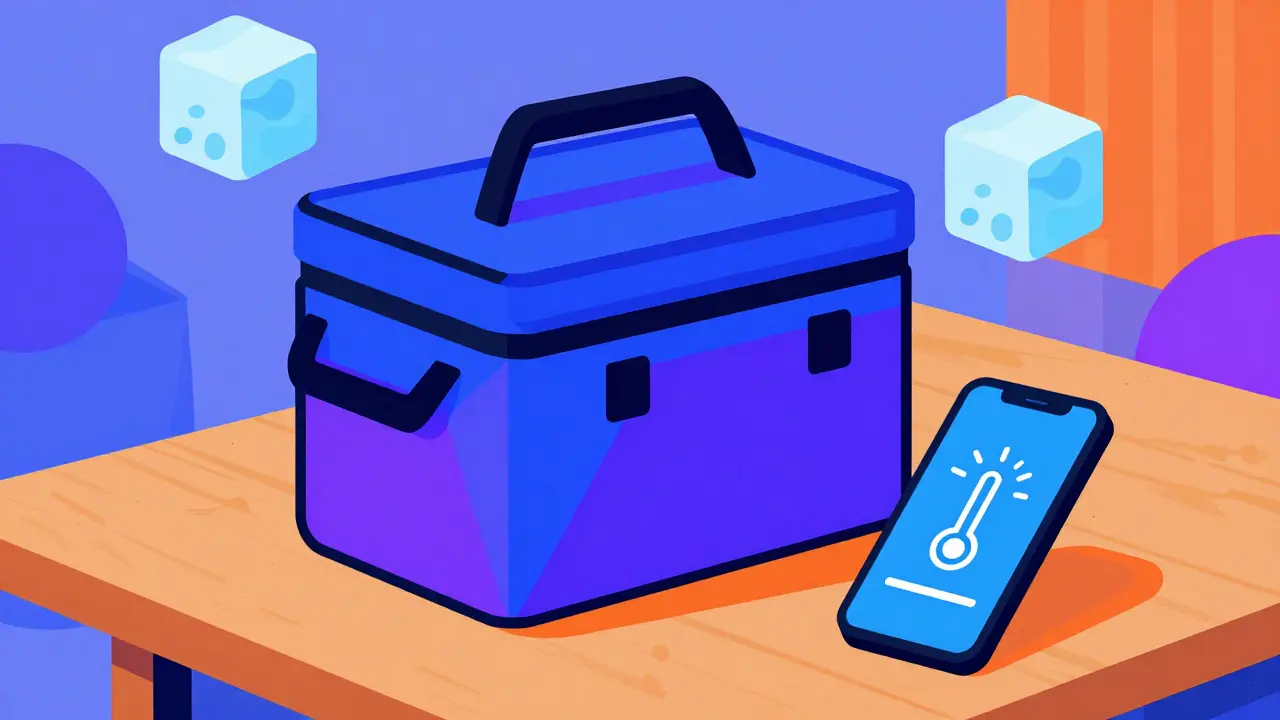
If you need to keep things cool, a simple ice pack isn’t always the best answer. Ice packs can freeze medications, which destroys their molecular structure. Instead, use gel packs. They maintain a consistent temperature within the safe 36°F-46°F range without freezing the contents. The Transportation Security Administration (TSA) notes that gel packs outperform traditional ice in temperature consistency by 37% during air travel.
For longer trips, consider specialized cooling wallets like the Frio cooler. These passive devices use water activation to keep contents cool for up to 48 hours, even in 95°F (35°C) heat. They don’t require electricity, making them perfect for remote areas or long flights where power outlets are scarce. For active cooling, medical-grade coolers with battery-powered fans can maintain temperatures for 48-72 hours, far outlasting standard insulated lunch bags.
- Keep meds in carry-on luggage: Never check your medications. Cargo holds can reach freezing temperatures or soar above 100°F, ruining your supply.
- Use opaque containers: Light-sensitive drugs degrade quickly. Keep them in their original packaging or dark pouches to block UV rays.
- Monitor temperature: Devices like TempTraq sensors alert you via smartphone if your meds get too hot or cold. Studies show these detect over 98% of temperature excursions.
Navigating Airports and Customs
Flying adds another layer of complexity. The TSA allows liquids, gels, and aerosols in reasonable quantities for medical purposes, but you must declare them at security checkpoints. Arrive at least two hours before domestic flights and three hours before international ones to allow time for screening. Bring printed instructions from your doctor detailing why you need the medication and its storage requirements. This documentation can prevent confiscation or delays.
International travel brings customs regulations into play. Many countries, including Thailand and Australia, require medications to be in their original labeled containers. In one documented case, a traveler had their meds confiscated because they were transferred to generic pill organizers. Always carry your prescription labels. If you’re bringing controlled substances, check the embassy website of your destination country for specific permit requirements.
Remember, airport security X-rays do not damage most medications. However, if you’re concerned, you can request a visual inspection. Just be prepared to explain what you have and why you need it.
Avoiding Common Pitfalls
Even with the right gear, human error causes most medication failures. Here are the traps to avoid:
- The Hotel Bathroom Trap: Humidity is the enemy. Storing meds in a bathroom exposes them to steam from showers, which can degrade tablets and capsules. Use a drawer or closet instead.
- The Car Dashboard Danger: Temperatures inside a parked car can exceed 140°F (60°C) on a sunny day. Even ten minutes can ruin sensitive drugs. Keep them with you, not in the glovebox.
- Ignoring Expiration Dates: Travel stress often leads to missed doses or poor storage, accelerating degradation. Check expiration dates before you go. If a drug looks discolored, smells odd, or has changed texture, discard it.
- Overpacking: Take only what you need plus a small buffer. Less bulk means easier monitoring and less chance of losing track of temperature conditions.
A survey of travelers found that 67% of medication issues stemmed from improper temperature control, while 22% resulted from humidity exposure. Simple behavioral changes-like setting phone alarms for dose times and checking cooler temps twice daily-can drastically reduce these risks.
Preparing Before You Go
Don’t wait until the night before your flight. Start planning 14-21 days ahead. Consult your healthcare provider to discuss:
- How long your medication can safely remain out of refrigeration.
- Whether a travel-friendly formulation exists (some insulins are now heat-stable for up to 28 days).
- Backup plans if your primary supply is lost or spoiled.
Get enough prescriptions to cover your entire trip, plus extra for delays. Carry copies of your prescriptions and a letter from your doctor. If you rely on injectables, practice using your cooling device at home to ensure you understand how it works under stress.
By treating your medication storage with the same seriousness as your passport or visa, you protect your health and peace of mind. Safe travels start with smart preparation.
Can I put my medication in checked baggage?
No, never check your medications. The cargo hold of an airplane can experience extreme temperatures, both freezing and hot, which can destroy the efficacy of your drugs. Always keep medications in your carry-on bag where you can monitor them.
How long can insulin stay out of the fridge while traveling?
Unopened insulin vials should be kept refrigerated. Once in use, most insulins can be kept at room temperature (below 86°F/30°C) for up to 28 days. However, if temperatures exceed 86°F, you need active cooling like a gel pack or cooler wallet to maintain safety.
Do X-ray machines at airports damage medications?
Standard airport security X-rays do not damage most medications. However, if you are concerned, you can request a visual inspection. Note that CT scanners used for checked baggage may pose a risk, so always keep meds in carry-ons.
What should I do if my medication gets too hot?
If your medication exceeds its recommended temperature range, do not use it. Contact your pharmacist or doctor for advice. In many cases, especially with biologics and insulins, heat exposure permanently reduces potency, making it unsafe or ineffective.
Is it okay to store pills in a hotel bathroom?
It is not recommended. Bathrooms are typically the most humid rooms in a hotel due to shower steam. High humidity can cause tablets to crumble or degrade. Store medications in a dry place like a closet or drawer instead.
