Have you scrolled through TikTok lately? You’ve probably seen it: influencers applying a small strip of tape across their lips before bed, claiming it cures snoring, improves skin, and fixes sleep apnea. It looks simple. It sounds cheap. But is sticking tape on your face while you sleep actually safe, or are you risking something serious?
The short answer is that while nasal breathing is generally healthier than mouth breathing, forcing yourself to breathe through your nose with adhesive tape carries significant risks-especially if you have an undiagnosed sleep disorder. Major medical organizations do not endorse this practice as a treatment for sleep apnea or other respiratory conditions. In fact, recent studies suggest it could be dangerous for many people.
Why People Are Taping Their Mouths Shut
To understand the hype, we have to look at the theory behind it. Proponents argue that nasal breathing is superior to mouth breathing. When you breathe through your nose, the air is filtered, warmed, and humidified. Your nose also produces nitric oxide, a gas that helps improve oxygen absorption in the lungs. Mouth breathing, on the other hand, bypasses these benefits, potentially leading to dry mouth, bad breath, and increased risk of dental issues.
The trend exploded around 2020-2021. Social media platforms became flooded with videos showing celebrities and wellness influencers using products like 3M Micropore tape or specialized sleep strips. They claimed that by physically preventing the mouth from opening, they could eliminate snoring and even treat mild obstructive sleep apnea (OSA). For someone struggling with loud snoring or poor sleep quality, the idea of a $15 fix compared to expensive medical devices is incredibly tempting.
However, the leap from "nasal breathing is good" to "taping your mouth shut is a cure" is where the science gets shaky. Just because a habit is better doesn't mean forcing it with adhesive is safe for everyone.
What the Scientific Evidence Actually Says
If you’re looking for hard data, the picture is mixed but leans heavily toward caution. A systematic review published in PLOS One in September 2020 analyzed ten studies involving 213 patients. The researchers found limited scientific evidence supporting the widespread health claims made online. Most of the studies were small, poorly designed, or lacked control groups.
There was one notable study published in PMC9498537 in September 2022. It examined mouth-breathers with mild obstructive sleep apnea. The results showed that for participants who could tolerate the tape, the apnea-hypopnea index (AHI)-a measure of how often breathing stops during sleep-dropped by about 50%. Snoring also decreased significantly.
But there’s a massive catch. That study only included people with mild apnea, and 75% of them had positional sleep apnea (meaning it only happened when they slept on their backs). More importantly, the intervention only worked for those who could successfully breathe through their noses. If your nose is blocked due to allergies, a deviated septum, or congestion, taping your mouth doesn’t help-it traps you.
| Treatment | Effectiveness (AHI Reduction) | Cost Estimate | Medical Endorsement |
|---|---|---|---|
| CPAP Therapy | 85-90% (Gold Standard) | $500 - $3,000 | Highly Recommended by AASM |
| Mandibular Advancement Devices | 40-60% (Mild/Moderate OSA) | $1,000 - $2,500 | Recommended by Dental Sleep Meds |
| Mouth Taping | Inconsistent; ~50% in specific mild cases | $5 - $15 | Not Endorsed; Warnings Issued |
The Safety Risks You Need to Know
This is the part social media posts rarely mention. Forcing nasal breathing when your body isn’t ready-or when your nasal passages aren’t clear-can lead to serious complications.
One major issue is what researchers call the "mouth puffing phenomenon." Even with tape over your lips, your brain may still try to breathe through your mouth. This causes air to leak around the edges of the tape, creating pressure buildup. A 2022 study in the Journal of Clinical Sleep Medicine documented four distinct types of these leakage signals during sleep monitoring. It’s uncomfortable and ineffective.
More dangerously, a June 2023 study involving 127 participants with mild OSA found that while 68% experienced reduced snoring, 22% had clinically significant oxygen desaturation events. Their blood oxygen levels dropped below 88% while taped-a level considered dangerous. Compare that to just 4% of incidents during normal sleep. If you have undiagnosed sleep apnea, taping your mouth could restrict airflow enough to lower your oxygen levels severely, increasing the risk of heart strain or other cardiovascular issues.
Dr. Brian Rotenberg, an otolaryngologist at London Health Sciences Centre and co-author of the PLOS One review, stated clearly: "Our research shows that taping the mouth shut during sleep is dangerous, especially among those who may not be aware they have sleep apnea. These individuals are unknowingly making their symptoms worse."
Other risks include:
- Skin irritation: Adhesives can cause rashes, especially on sensitive facial skin.
- Anxiety and panic: Waking up feeling unable to breathe can trigger severe anxiety attacks.
- Nasal obstruction worsening: If you have a cold or allergies, you cannot force air through a blocked nose.
Expert Opinions vs. Social Media Trends
The disconnect between online trends and medical advice is stark. Dr. Hoangmai Nguyen, a sleep specialist at Cleveland Clinic, warned in March 2022 that mouth taping shouldn't be used if you snore, have sleep apnea, or other respiratory conditions. She noted it can cause difficulty breathing and anxiety.
The American Academy of Sleep Medicine (AASM) has not endorsed mouth taping as a legitimate treatment. In fact, the FDA has not approved any mouth tape products for treating sleep apnea. Despite this, the market for "sleep tapes" grew to an estimated $2.3 million by late 2023, driven largely by unregulated products marketed directly to consumers.
User experiences reflect the risks. On Reddit’s r/SleepApnea community, a thread analyzing user feedback showed that 58% of respondents reported negative experiences. Common complaints included waking up gasping for air, skin irritation, and heightened anxiety. Only 22% reported positive outcomes, and those were mostly people with mild snoring but no diagnosed apnea.
A survey by the American Sleep Apnea Association found that 68% of people who tried mouth taping quit within two weeks due to discomfort. Twelve percent reported at least one episode of waking up unable to breathe. These aren’t minor inconveniences; they are red flags.
Who Should Absolutely Avoid Mouth Taping?
If you fall into any of the following categories, you should skip the tape entirely and consult a doctor instead:
- Anyone with diagnosed or suspected sleep apnea: Restricting your airway further can be life-threatening.
- People with nasal obstructions: Deviated septums, chronic sinusitis, or large turbinates prevent adequate airflow.
- Individuals with asthma or COPD: Respiratory conditions require careful management, not experimental restrictions.
- Those with skin sensitivities: Facial skin is delicate; adhesives can cause allergic reactions.
- Pregnant women: Oxygen needs change during pregnancy; avoid unnecessary risks.
Safer Alternatives for Better Sleep
If your goal is to stop snoring or improve sleep quality, there are proven, safer methods. Instead of restricting your mouth, focus on opening your nose or stabilizing your airway.
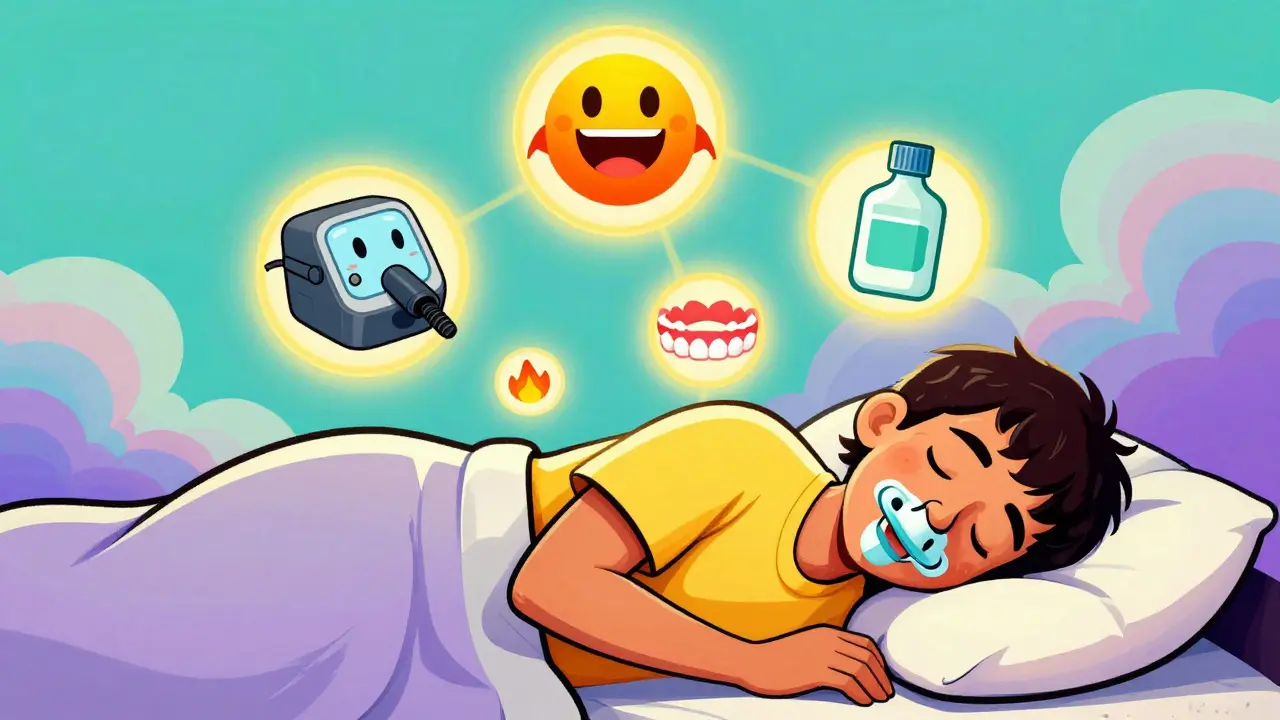
- Continuous Positive Airway Pressure (CPAP): This remains the gold standard for moderate to severe sleep apnea. It keeps your airway open with pressurized air. While bulky, modern machines are quieter and more comfortable than ever.
- Mandibular Advancement Devices (MADs): Custom-fitted dental appliances that push your jaw forward to keep the airway open. They are effective for mild to moderate apnea and don’t restrict breathing.
- Nasal Dilators: External clips or internal inserts that widen your nostrils. These help reduce resistance without blocking your mouth. Products like Provent Sleep Therapy received FDA clearance in 2023 for this purpose.
- Positional Therapy: Since many people snore or have apnea only when sleeping on their back, wearing a device that encourages side-sleeping can dramatically reduce symptoms.
- Allergy Management: Using saline rinses, antihistamines, or nasal corticosteroids can clear nasal passages, allowing natural nasal breathing without tape.
How to Transition to Nasal Breathing Safely
If you are a habitual mouth breather and want to switch to nasal breathing, you can do it gradually without tape. Start during the day. Practice keeping your lips closed while speaking and breathing. Use nasal strips (which lift the nose rather than seal the mouth) during exercise to train your body to handle airflow through the nose.
Before attempting any overnight changes, ensure your nasal passages are clear. Try a saline rinse before bed. If you wake up with a dry mouth, it’s a sign you’re mouth breathing-but don’t immediately reach for the tape. Consult a sleep specialist to rule out underlying issues first.
The Cleveland Clinic suggests that if you must experiment, start with daytime naps using small pieces of hypoallergenic paper tape. However, even they note that only 38% of first-time users can complete a full night successfully. Given the risks, professional guidance is always preferable.
Can mouth taping cure sleep apnea?
No. Mouth taping is not a cure for sleep apnea. While some small studies show reduced snoring in very mild cases, it does not address the root cause of airway collapse. For moderate to severe apnea, it can be dangerous by restricting airflow and lowering oxygen levels.
Is it safe to use mouth tape if I have a cold?
Absolutely not. If your nose is congested due to a cold, allergies, or infection, you cannot breathe effectively through it. Taping your mouth in this state can lead to severe breathing difficulties and panic.
What type of tape do people use for mouth taping?
Most users recommend hypoallergenic paper tape, such as 3M Micropore, because it is gentle on the skin and breathable. However, medical experts warn against using any tape for this purpose without professional supervision.
Does mouth taping help with snoring?
It may reduce snoring for some people with mild, positional snoring who can breathe freely through their noses. However, for many, it causes "mouth puffing" or anxiety, which can worsen sleep quality. Safer alternatives like nasal dilators or positional therapy are recommended.
Why do doctors discourage mouth taping?
Doctors discourage it because it poses unacceptable risks for undiagnosed sleep disorders. It can cause oxygen desaturation, skin irritation, and psychological distress. There is insufficient high-quality evidence to support its safety or efficacy as a medical treatment.
