Fournier’s Gangrene Risk & Symptom Checker
Disclaimer: This tool is for educational purposes only. It does not provide a medical diagnosis. If you have severe pain or symptoms, seek emergency care immediately.
1. Check Your Risk Factors
Select factors that apply to you2. Check Current Symptoms
Do you have any of these right now?Assessment Result
No DataRecommended Action Protocol
If you are taking a medication for type 2 diabetes that ends in "-gliflozin," you might have heard whispers about a rare but terrifying side effect. It is called Fournier’s gangrene, which is a severe, life-threatening bacterial infection of the genital and perineal area. While the risk is statistically low, the consequences of missing the early signs can be fatal. This is not meant to scare you into stopping your medication abruptly-these drugs save lives by protecting your heart and kidneys-but it is essential to know exactly what to look for and how to act if something feels wrong.
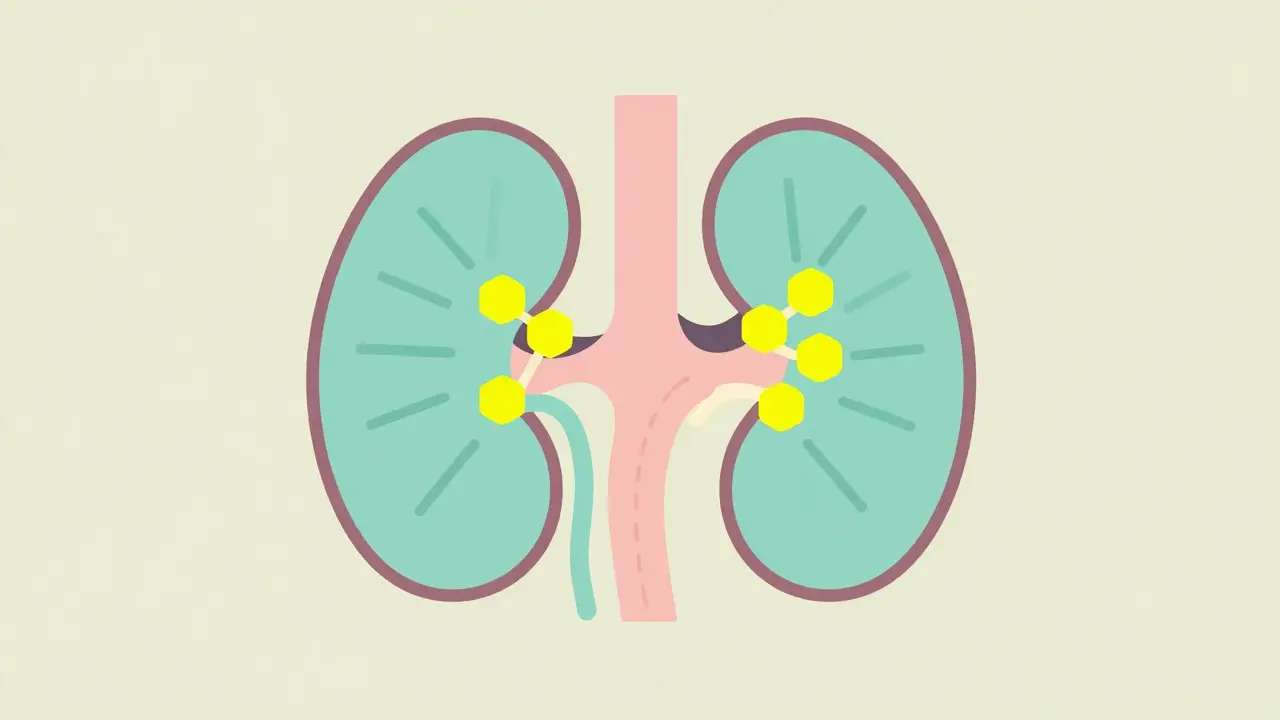
SGLT2 inhibitors (sodium-glucose cotransporter-2 inhibitors) have become a cornerstone of modern diabetes care. They work differently than older medications like metformin or insulin. Instead of just telling your pancreas to make more insulin or helping your body use existing insulin better, SGLT2 inhibitors target your kidneys. Specifically, they block a protein in the kidney tubules that normally reabsorbs glucose back into the bloodstream. By blocking this transporter, the drug forces your kidneys to flush excess sugar out through your urine. For many patients, this leads to lower blood sugar levels, weight loss, and significant protection against heart failure and chronic kidney disease.
Why Sugar in Urine Creates a Risk
To understand why Fournier’s gangrene occurs with these drugs, we need to look at biology. Bacteria love sugar. When you take an SGLT2 inhibitor, your urine contains significantly higher concentrations of glucose than usual. This creates a sweet, nutrient-rich environment in the genital and perineal regions. Under normal circumstances, your skin acts as a barrier, and your immune system keeps bacteria in check. However, if there is even a tiny break in the skin-a scratch, an insect bite, or minor trauma from clothing-the bacteria can enter the tissue.
Once inside, the high-sugar environment allows certain types of bacteria to multiply rapidly. These bacteria produce toxins that destroy tissue and cut off blood supply, leading to necrosis (tissue death). This condition is known medically as necrotizing fasciitis when it affects the deeper layers of tissue. In the context of the groin, it is specifically called Fournier’s gangrene. The connection between SGLT2 inhibitors and this specific type of infection was first highlighted by the U.S. Food and Drug Administration (FDA) in 2018, after reviewing post-marketing data. Since then, regulatory bodies worldwide, including the European Medicines Agency (EMA) and the UK’s MHRA, have added boxed warnings to the prescribing information for all drugs in this class.
The Drugs Involved: Which Ones Carry the Warning?
It is important to know which medications fall under this category. In the United States, there are four main SGLT2 inhibitors approved for treating type 2 diabetes. Each carries the same potential risk because they all share the same mechanism of action:
- Canagliflozin (brand name Invokana): The first of its kind, approved in 2013.
- Dapagliflozin (brand name Farxiga): Widely prescribed for both diabetes and heart failure.
- Empagliflozin (brand name Jardiance): Also heavily used for cardiovascular protection.
- Ertugliflozin (brand name Steglatro): Approved later, with slightly less long-term safety data initially, but sharing the same class risks.
While earlier studies focused primarily on men, recent data shows that women are also at risk. In fact, some European reviews indicated that up to one-third of reported cases involved women. This means anyone taking these medications needs to be vigilant, regardless of gender.
Early Warning Signs You Must Not Ignore
Fournier’s gangrene progresses with alarming speed. What starts as mild discomfort can turn into a medical emergency within hours. Because the symptoms can mimic common issues like yeast infections or urinary tract infections, patients often delay seeking help. Time is tissue-and time is life. Here are the specific red flags to watch for:
- Pain disproportionate to appearance: You may feel severe pain in the groin, genitals, or buttocks, but the skin might look normal or only slightly red at first. This mismatch is a classic sign of deep tissue infection.
- Rapidly spreading redness or swelling: Look for erythema (redness) that spreads quickly over hours. The area may feel hot to the touch.
- Fever and chills: Systemic symptoms like fever, rapid heartbeat, or feeling generally unwell (malaise) indicate the infection is entering your bloodstream.
- Skin changes: As the tissue dies, the skin may turn purple, black, or develop blisters filled with bloody fluid. A foul-smelling discharge may also occur.
- Crepitus: In advanced stages, you might feel a crackling sensation under the skin when you touch the area. This is caused by gas-producing bacteria creating pockets of air in the tissue.
If you experience any combination of these symptoms, especially severe pain in the perineal area, do not wait to see if it gets better. Do not apply home remedies. Seek emergency medical care immediately.
Action Protocol: What to Do If You Suspect Infection
Knowing the signs is half the battle; knowing what to do is the other half. If you suspect you have developed a serious infection while on an SGLT2 inhibitor, follow this strict protocol:
1. Stop the Medication Immediately
Do not finish your current dose. Discontinue the SGLT2 inhibitor right away. Continuing to pump sugar into your urine will only feed the bacteria and accelerate tissue destruction.
2. Go to the Emergency Room
Call your doctor? No. Call 911 or drive yourself to the nearest emergency department. Tell the triage nurse explicitly: "I am taking an SGLT2 inhibitor for diabetes, and I have severe pain and swelling in my groin/genital area." This specific phrase alerts them to the possibility of Fournier’s gangrene, prompting faster evaluation.
3. Expect Aggressive Treatment
Treatment for Fournier’s gangrene is intensive and requires hospitalization. It typically involves:
- Broad-spectrum IV antibiotics: To fight the mix of bacteria causing the infection.
- Surgical debridement: Surgeons must remove dead tissue to stop the spread of infection. This is urgent surgery. Delaying surgery by even 24 hours can increase the mortality rate significantly.
- Supportive care: Fluids, pain management, and monitoring of organ function.
The mortality rate for Fournier’s gangrene ranges from 4% to 8%, but it can be much higher if treatment is delayed. Every hour counts. Studies suggest that each hour of delay in surgical intervention increases the risk of death by approximately 9%. Speed saves lives here.
Who Is at Higher Risk?
While the absolute risk is low-estimated at roughly 1 additional case per 10,000 men treated-the danger is not evenly distributed. Certain factors make you more susceptible to developing this complication:
| Risk Factor | Why It Increases Danger |
|---|---|
| Poor Glycemic Control (HbA1c >9%) | High blood sugar weakens the immune system and provides more fuel for bacteria. |
| History of Genital Infections | Previous yeast infections or balanitis suggest a susceptibility to local flora imbalance. |
| Obesity | Increased skin folds and moisture create warm, dark environments where bacteria thrive. |
| Compromised Immune System | Conditions like HIV, chemotherapy, or steroid use reduce the body’s ability to fight infection. |
| Smoking | Nicotine constricts blood vessels, reducing oxygen flow to tissues and slowing healing. |
If you fall into one or more of these categories, discuss your risk openly with your healthcare provider. It does not necessarily mean you cannot take an SGLT2 inhibitor, but it does mean you need stricter monitoring and perhaps alternative preventive measures, such as maintaining impeccable hygiene and keeping your HbA1c as close to target as possible.

Weighing the Risks vs. Benefits
It is easy to panic when reading about a life-threatening side effect. However, medicine is always about balancing risks and benefits. SGLT2 inhibitors are not just sugar-lowering pills; they are powerful cardiorenal protective agents. Large clinical trials have shown that drugs like empagliflozin and dapagliflozin significantly reduce the risk of hospitalization for heart failure and slow the progression of kidney disease. For millions of people, these benefits outweigh the rare risk of Fournier’s gangrene.
The key is informed consent and vigilance. Your doctor should inform you about this risk before prescribing the medication. You should ask questions. If you have a history of recurrent genital infections or poor wound healing, you might consider alternative diabetes medications, such as GLP-1 agonists (like semaglutide or liraglutide), which do not carry this specific risk. However, switching medications should never be done without medical supervision, as uncontrolled diabetes itself is a major risk factor for infections and complications.
Prevention Strategies for Daily Life
You can take proactive steps to minimize your risk while staying on your medication. Prevention is largely about hygiene and awareness:
- Maintain strict hygiene: Wash the genital area daily with mild soap and water. Dry thoroughly, as moisture promotes bacterial growth.
- Wear breathable clothing: Cotton underwear and loose-fitting pants allow air circulation, reducing heat and sweat buildup.
- Monitor for minor injuries: If you get a small cut, rash, or irritation in the groin area, treat it immediately. Keep it clean and covered. If it doesn’t heal quickly, see a doctor.
- Stay hydrated: Drinking plenty of water helps flush the urinary tract, though it won’t eliminate the glucose excretion caused by the drug.
- Control your blood sugar: The better your overall glycemic control, the stronger your immune response. Work with your dietitian and endocrinologist to keep your HbA1c in range.
What Doctors Are Doing Now
Since the FDA issued its boxed warning in 2018, the medical community has been closely monitoring this issue. Pharmacovigilance systems like the FDA’s Adverse Event Reporting System (FAERS) and Europe’s EudraVigilance database continue to collect data. Recent studies confirm that while the number of reported cases has risen slightly since the warning, the absolute incidence remains very low. Most importantly, outcomes have improved because doctors are now aware of the link and diagnose the condition earlier.
Healthcare providers are advised to counsel every patient starting an SGLT2 inhibitor about the signs of Fournier’s gangrene. This isn’t just a checkbox exercise; it’s a critical part of patient education. If you haven’t discussed this specific risk with your doctor recently, bring it up at your next appointment. Ask them: "Given my health history, am I at higher risk?" and "What specific symptoms should prompt me to go to the ER?"
Is Fournier’s gangrene common in people taking SGLT2 inhibitors?
No, it is extremely rare. The estimated risk is approximately 1 additional case per 10,000 men treated. However, because the condition is so severe and potentially fatal, even a rare risk warrants serious attention and immediate action if symptoms appear.
Can women get Fournier’s gangrene from SGLT2 inhibitors?
Yes. While historically considered a condition that primarily affects men, recent data shows that women are also at risk. Approximately one-third of reported cases in some European studies involved women. Any person taking these medications should be aware of the symptoms.
Should I stop taking my SGLT2 inhibitor if I am worried?
Do not stop your medication without consulting your doctor. SGLT2 inhibitors provide significant benefits for heart and kidney health. Stopping them could lead to worse overall health outcomes. Instead, discuss your concerns with your provider. They can assess your individual risk factors and determine if the benefits still outweigh the risks for you.
How quickly does Fournier’s gangrene progress?
It progresses very rapidly, often within hours. Symptoms can start as mild pain or redness and escalate to severe tissue death and systemic infection quickly. This is why immediate medical attention is critical. Delaying treatment by even 24 hours can significantly increase the risk of death.
What is the difference between a yeast infection and Fournier’s gangrene?
A yeast infection typically causes itching, burning, and white discharge, and responds to antifungal creams. Fournier’s gangrene causes severe, disproportionate pain, rapid swelling, redness that spreads quickly, fever, and potentially skin discoloration or blistering. If you have severe pain and systemic symptoms like fever, it is not a simple yeast infection-seek emergency care.
Are there alternatives to SGLT2 inhibitors that don't carry this risk?
Yes. Other classes of diabetes medications include Metformin, Sulfonylureas, DPP-4 inhibitors, and GLP-1 receptor agonists (such as semaglutide or liraglutide). GLP-1 agonists, in particular, offer similar benefits for weight loss and cardiovascular health without the risk of Fournier’s gangrene. Discuss these options with your healthcare provider.
