Herbal Supplement Drug Interactions: What You Need to Know Before Taking Them
When you take an herbal supplement, a plant-based product used to support health, often sold without a prescription. Also known as natural remedies, these products are commonly used for energy, sleep, or stress—but they aren’t harmless. Just because something comes from a plant doesn’t mean it’s safe to mix with your pills. In fact, many herbal supplements, including St. John’s wort, garlic, and ginkgo can change how your body processes prescription medications, drugs approved by health authorities to treat specific conditions. That’s why herbal supplement drug interactions are one of the most overlooked risks in personal health.
Take St. John’s wort, for example. It’s often used for mild depression, but it can make birth control, blood thinners, and even some antidepressants stop working. People don’t realize they’re risking a relapse or a dangerous clot. Garlic and ginkgo thin the blood too—mix them with aspirin or warfarin, and you could bleed internally without warning. Even common supplements like calcium or magnesium can block antibiotics from being absorbed. These aren’t rare cases. Studies show over 70% of adults taking herbal products also use prescription drugs, and most never tell their doctor. That’s like driving with your eyes closed—you don’t know what’s coming until it’s too late.
It’s not just about what you take—it’s about timing, dosage, and your health condition. Someone with high blood pressure on lisinopril might feel fine taking hawthorn for heart support… until their blood pressure drops too low. Or a person on simvastatin might add red yeast rice thinking it’s a "natural statin"—not knowing it’s chemically almost identical and doubles the risk of muscle damage. The problem? Most herbal products aren’t tested for interactions the way pills are. Labels don’t warn you. Pharmacists don’t always know what you’re taking. And your doctor might not ask.
That’s why the posts here focus on real, documented cases—not theory. You’ll find details on how certain herbs affect medications for allergies, heart conditions, mental health, and more. You’ll see what happens when people mix supplements with drugs like hydrochlorothiazide, acamprosate, or bromocriptine. You’ll learn why grapefruit isn’t the only fruit you need to avoid, and why "natural" doesn’t mean "safe with my pills." This isn’t about scare tactics. It’s about giving you the facts so you can decide what’s worth the risk—and what’s not.
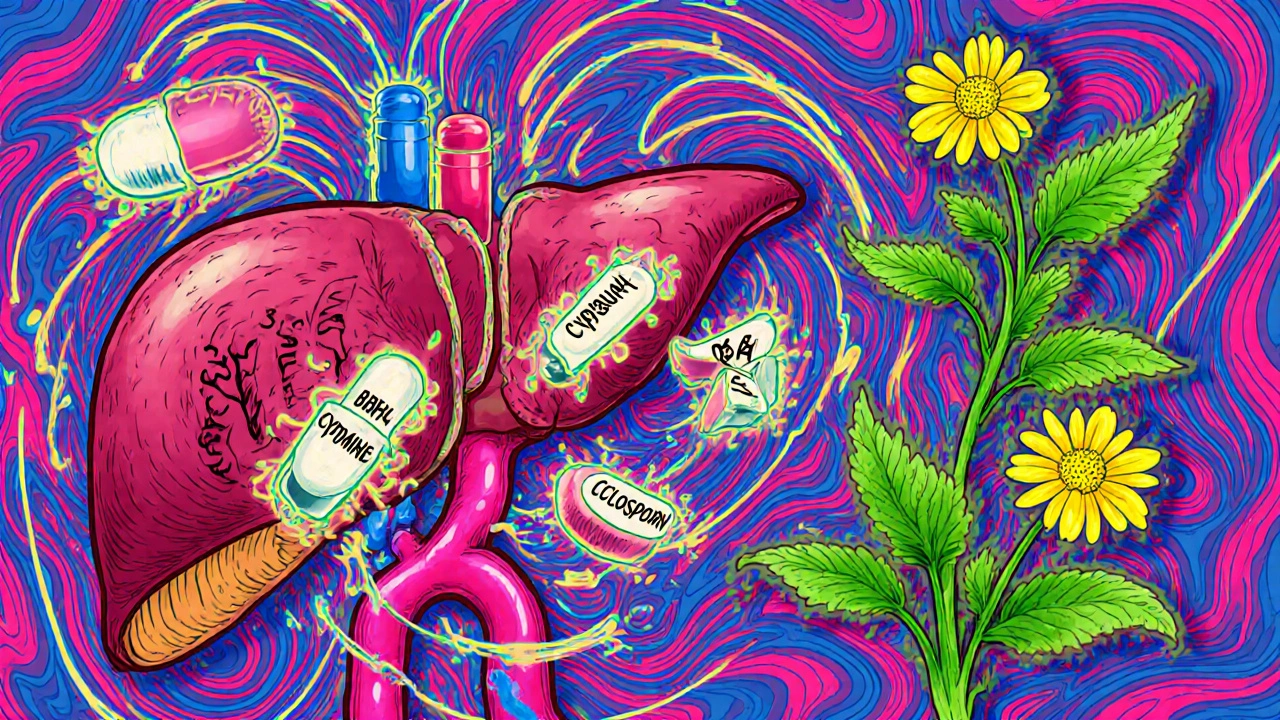
St. John’s Wort and Prescription Medications: What You Need to Know About Dangerous Interactions
St. John’s Wort may seem like a safe natural remedy for depression, but it can dangerously reduce the effectiveness of birth control, blood thinners, antidepressants, and more. Learn the real risks and what to do if you’re taking it.