Osteoporosis from Steroids: How Long-Term Use Weakens Bones and What to Do
When you take steroids like prednisone, a type of corticosteroid used to reduce inflammation in autoimmune diseases, asthma, and other chronic conditions, you’re not just calming your immune system—you’re also quietly weakening your bones. This is called steroid-induced osteoporosis, bone thinning caused by prolonged use of glucocorticoid medications. It’s not rare. Up to 30% of people on long-term steroid therapy develop fractures, often without warning. Unlike regular osteoporosis that creeps in slowly with age, this version can start eating away at your bone density within just a few months of starting treatment.
Here’s how it works: steroids interfere with the cells that build new bone and speed up the ones that break it down. They also reduce calcium absorption in your gut, make your kidneys dump more calcium through urine, and lower sex hormones that help keep bones strong. If you’re on steroids for more than three months, especially at doses above 5 mg daily, your risk goes up fast. Women over 50, people with a family history of fractures, smokers, and those with low vitamin D levels are hit hardest. But even young, active people aren’t safe if they’re on these drugs long-term.
It’s not just about popping a calcium pill and calling it a day. You need a real plan. That means getting a bone density scan (DXA) early, making sure your vitamin D and calcium levels are where they should be, and talking to your doctor about medications like bisphosphonates that can slow bone loss. Weight-bearing exercise helps—but only if you’re not at risk of falling. And yes, you still need to treat the condition that made you take steroids in the first place. The goal isn’t to stop your meds unless your doctor says so—it’s to protect your bones while you’re on them.
Below, you’ll find real, practical posts that break down exactly how steroids affect your skeleton, what tests to ask for, which supplements actually help (and which don’t), and how to talk to your doctor about reducing your risk without giving up the treatment you need. No fluff. No guesswork. Just what works.
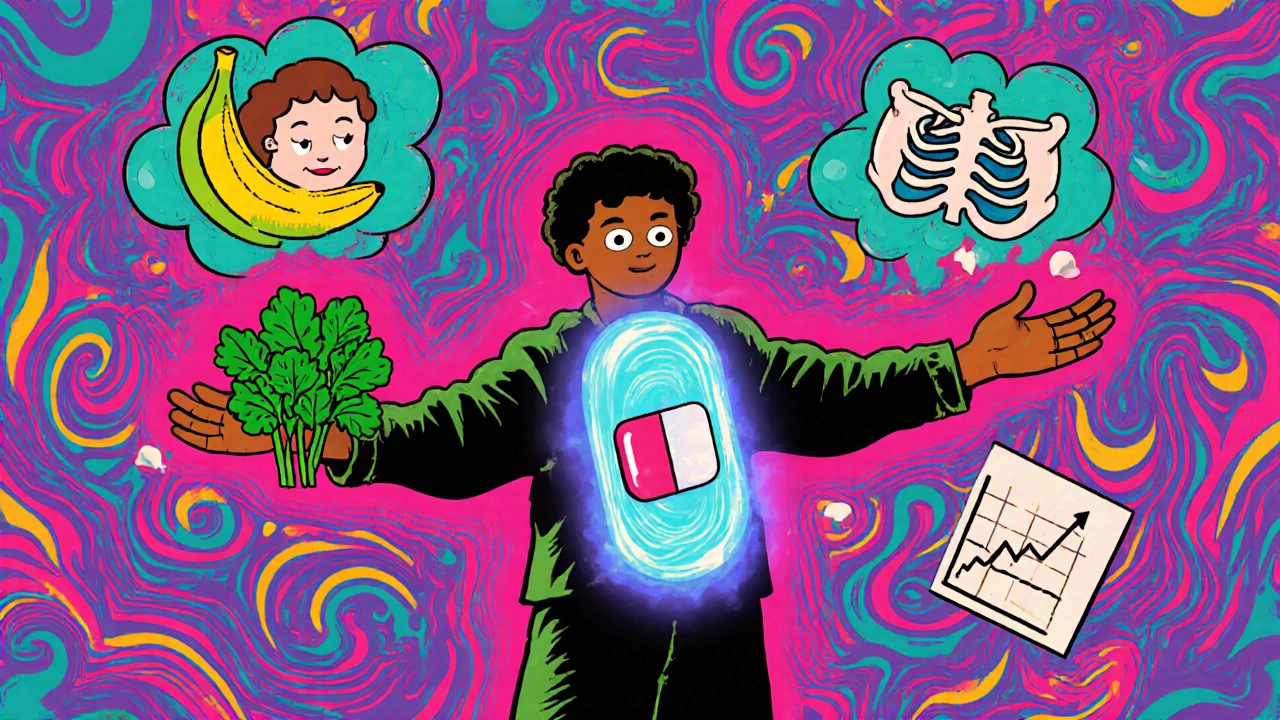
Managing Corticosteroid Side Effects: Supportive Therapies to Stay Healthy on Long-Term Steroids
Learn how to manage common corticosteroid side effects like weight gain, bone loss, and high blood sugar with proven supportive therapies. Practical, science-backed strategies for staying healthy on long-term steroid treatment.