St. John's Wort and Antidepressants: What You Need to Know
When people look for natural ways to feel better, St. John's Wort, a herbal supplement used for mild to moderate depression. Also known as Hypericum perforatum, it's one of the most studied plant-based remedies for mood support. But here’s the catch: it doesn’t play nice with most antidepressants, prescription medications like SSRIs and SNRIs used to treat depression and anxiety. Mixing them can lead to serotonin syndrome—a dangerous spike in serotonin levels that causes confusion, rapid heart rate, and in severe cases, seizures or death. This isn’t a myth. It’s been documented in real patients who thought natural meant safe.
St. John’s Wort works by increasing serotonin, dopamine, and norepinephrine in the brain—similar to how fluoxetine (Prozac) or sertraline (Zoloft) work. That’s why it can feel helpful for low mood. But unlike prescription drugs, it’s not regulated for purity or dosage. One pill might have 0.3% hypericin; another might have 1.5%. That kind of inconsistency makes it risky, especially if you’re already taking an antidepressant. Even if you’re not on meds now, stopping an antidepressant to switch to St. John’s Wort can trigger withdrawal symptoms like dizziness, nausea, or brain zaps. And if you go back to the prescription later, your body might not respond the same way.
People often turn to St. John's Wort, a herbal supplement used for mild to moderate depression because they’re afraid of side effects from pills—weight gain, sexual dysfunction, or feeling emotionally numb. But the truth is, St. John’s Wort has its own side effects: increased sun sensitivity, dry mouth, dizziness, and stomach upset. And it doesn’t just clash with antidepressants. It reduces the effectiveness of birth control, blood thinners, HIV meds, and even some cancer drugs. If you’re taking anything regularly, check with a pharmacist before adding this herb to your routine.
There’s a reason doctors don’t recommend St. John’s Wort as a first-line treatment. It’s not that it doesn’t work for some people—it does, in mild cases. But it’s unpredictable, unregulated, and potentially dangerous when mixed with other treatments. If you’re struggling with depression, you deserve a plan that’s safe, consistent, and backed by science. That might mean therapy, lifestyle changes, or a carefully chosen medication. It doesn’t mean guessing with herbs that could do more harm than good.
Below, you’ll find real-world guides on how other medications interact with common health conditions—from tinnitus and blood pressure drugs to alcohol dependence and allergy treatments. These aren’t theoretical discussions. They’re practical, evidence-based breakdowns of what works, what doesn’t, and why. If you’re thinking about St. John’s Wort, you need to see the full picture.
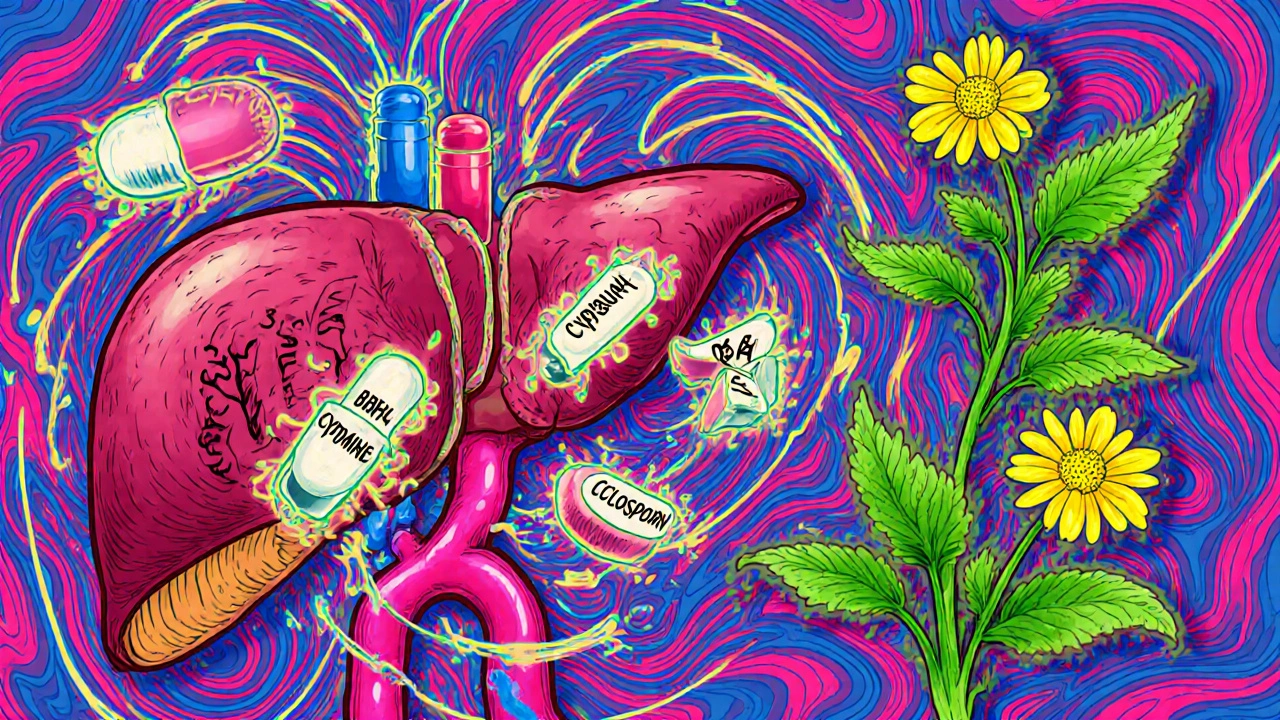
St. John’s Wort and Prescription Medications: What You Need to Know About Dangerous Interactions
St. John’s Wort may seem like a safe natural remedy for depression, but it can dangerously reduce the effectiveness of birth control, blood thinners, antidepressants, and more. Learn the real risks and what to do if you’re taking it.