St. John's Wort and Birth Control: What You Need to Know
When you take St. John's Wort, a popular herbal remedy used for mild depression and mood support. Also known as Hypericum perforatum, it's often bought over the counter as a natural alternative to prescription antidepressants. But here’s the catch: it doesn’t just affect your mood—it can mess with your birth control. If you're on hormonal contraception—pills, patches, rings, or even the implant—St. John's Wort can make them work poorly. This isn’t a myth or a warning from an overcautious doctor. It’s backed by real studies showing how the herb speeds up liver enzymes that break down hormones like estrogen and progestin. That means your body clears the birth control faster, leaving you unprotected without you even realizing it.
That’s why hormonal contraception, a category of birth control methods that use synthetic hormones to prevent ovulation and drug interaction, when one substance changes how another works in your body are serious topics here. You might think, "I’m just taking a little herb for my mood," but that little herb is triggering chemical changes in your liver that can lead to unintended pregnancy. And it’s not just pills—patches and rings are affected too. Even if you’re using a low-dose pill or a progestin-only method, St. John's Wort still cuts through the protection. There’s no safe amount if you’re relying on hormones to prevent pregnancy.
What about other supplements? Many people mix St. John's Wort with vitamins, omega-3s, or melatonin, assuming they’re harmless. But the problem isn’t the other supplements—it’s the herb itself. It doesn’t just interact with birth control. It also interferes with blood thinners, antidepressants, and even some cancer drugs. That’s why it’s not just about avoiding it while on the pill—it’s about understanding that what’s labeled "natural" doesn’t mean "safe with everything."
So what do you do if you’re on birth control and want to try St. John's Wort? The answer is simple: don’t. Talk to your doctor about safer alternatives for low-grade depression—things like therapy, exercise, or FDA-approved medications that won’t risk your contraception. If you’ve already been taking it, stop immediately and use backup protection like condoms for at least two weeks. Your body needs time to clear the herb and reset its hormone processing.
There’s a lot of misinformation out there about herbal remedies being "gentle" or "side-effect free." But when it comes to your reproductive health, there’s no room for guesswork. St. John's Wort is powerful—and it doesn’t care if you think it’s just a tea. The science is clear. The risks are real. And the consequences can be life-changing.
Below, you’ll find detailed posts on how herbs, medications, and hormones interact—what works, what doesn’t, and what you need to know before mixing anything into your routine. From birth control to antidepressants, these aren’t just theory—they’re real-world stories from people who learned the hard way.
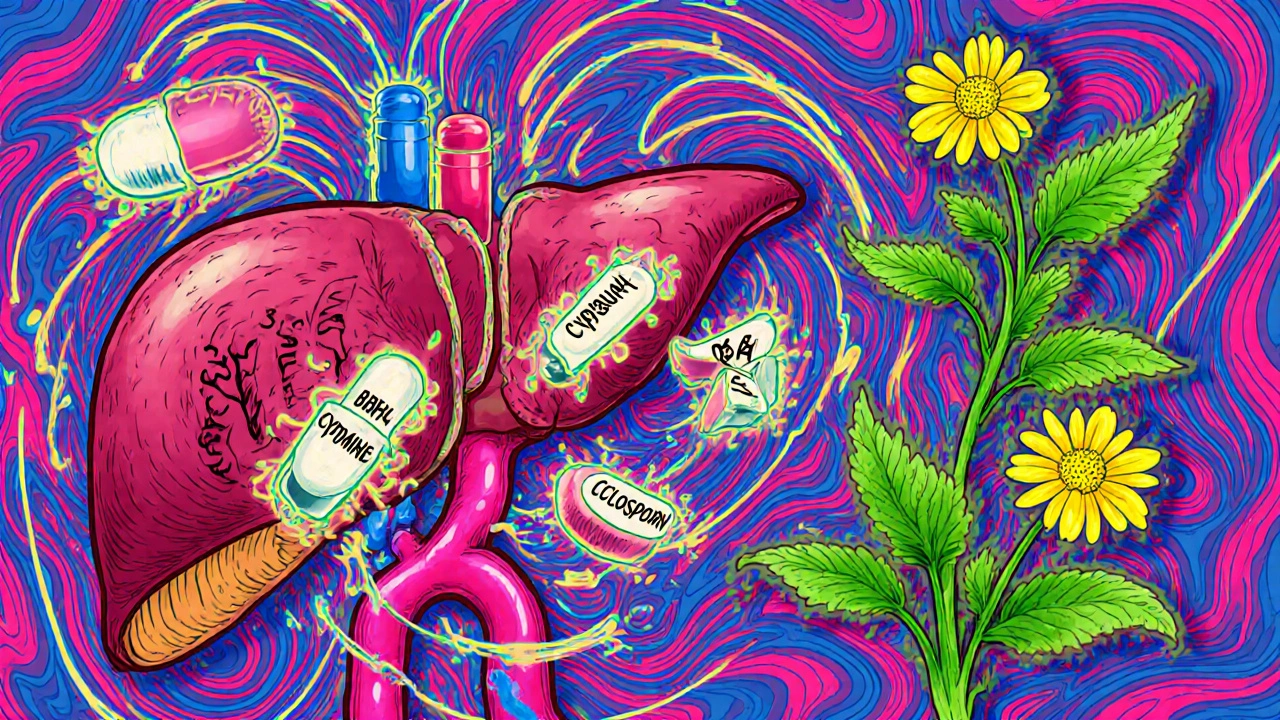
St. John’s Wort and Prescription Medications: What You Need to Know About Dangerous Interactions
St. John’s Wort may seem like a safe natural remedy for depression, but it can dangerously reduce the effectiveness of birth control, blood thinners, antidepressants, and more. Learn the real risks and what to do if you’re taking it.