It is a sobering thought, but heart issues are the leading cause of death globally. In the United States alone, nearly one-third of all deaths are linked to heart disease, with roughly 800,000 lives lost every year. But here is the part that actually matters: a huge chunk of these outcomes are preventable. Whether it is a sudden stroke or the slow progression of clogged arteries, most of these conditions share the same root causes and can be managed if you know what to look for.
When doctors talk about Cardiovascular Disease is a broad term for a group of disorders that affect the heart and the network of blood vessels. Also known as CVD, it isn't just one illness but an umbrella for everything from high blood pressure to heart failure., they are usually looking at how your blood flows and what is blocking it.
The Different Faces of Heart and Vascular Issues
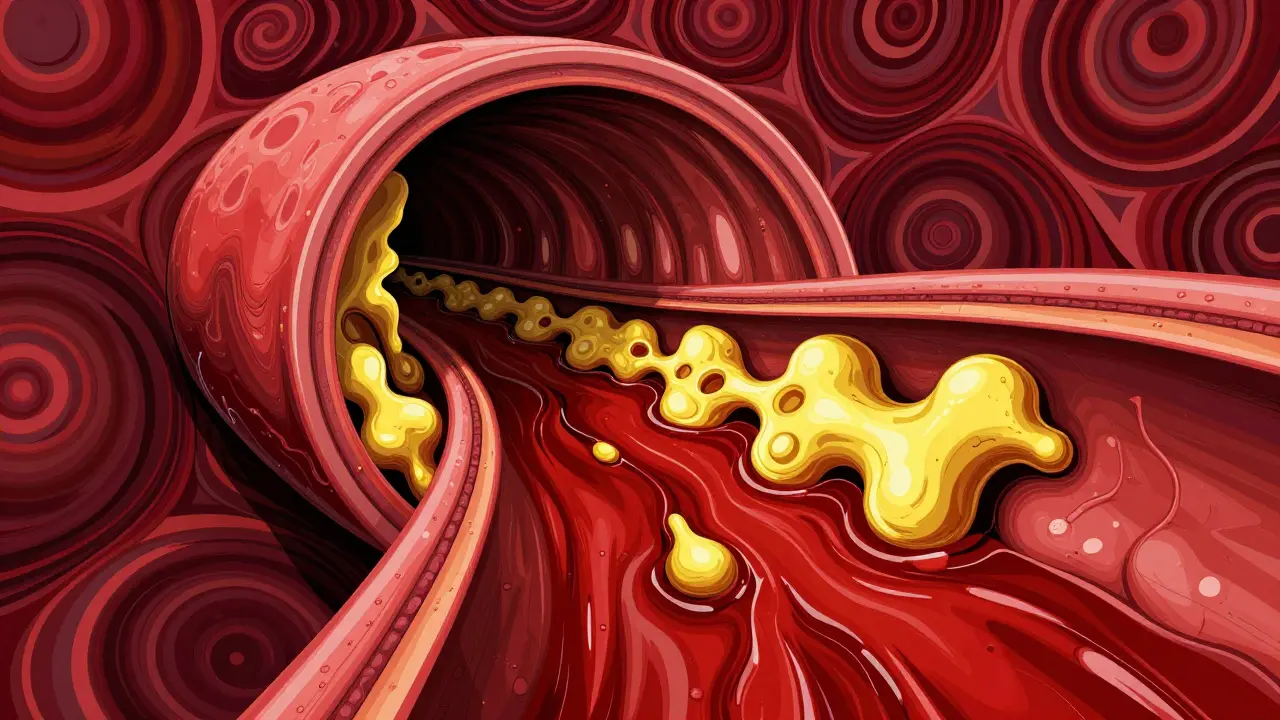
Not all heart problems are the same. To get a handle on your health, you first need to understand which "bucket" a condition falls into. Most of these are driven by a process called atherosclerosis, where plaque builds up in your arteries and narrows the path for blood to flow.
- Coronary Artery Disease (CAD): This happens when the arteries supplying blood to the heart muscle itself get blocked. It is the most common type of CVD, affecting millions of adults. If the blockage is total, it leads to a heart attack.
- Cerebrovascular Disease: This is all about the blood vessels in your brain. When a vessel bursts or is blocked by a clot, it causes a Stroke a medical emergency where the blood supply to part of the brain is interrupted, leading to rapid brain cell death.
- Peripheral Artery Disease (PAD): This affects the arteries in your legs and arms. You might notice cramping while walking because your muscles aren't getting enough oxygen.
- Heart Failure: This doesn't mean the heart has stopped beating, but rather that it can't pump blood efficiently enough to meet the body's needs.
Many experts now use a more specific term called ASCVD Atherosclerotic Cardiovascular Disease, which refers specifically to the buildup of plaque in the arteries that leads to heart attacks and strokes. This distinction is important because the treatment for ASCVD is often more aggressive than for general heart issues.
What Actually Drives These Conditions?
Why do some people develop heart disease while others don't? It is usually a "perfect storm" of risk factors. Some you can't change, like your age or genetics, but many are within your control. The most dangerous part is that these risks often cluster together-if you have diabetes, you are much more likely to also have high blood pressure and high cholesterol.
The big players include Hypertension consistently high blood pressure, typically defined as 130/80 mmHg or higher, which puts constant strain on artery walls. When your blood pressure is too high for too long, it damages the lining of your arteries, making it easier for cholesterol to stick and form plaques. Speaking of which, Dyslipidemia an abnormal level of lipids (fats) in the blood, particularly high LDL-C (bad cholesterol) is a primary driver of plaque buildup.
Then there is the metabolic side. Obesity and type 2 diabetes change how your body handles insulin and sugar, which further damages the blood vessels. Finally, smoking remains one of the most direct ways to damage your heart; the chemicals in cigarettes cause immediate inflammation and narrowing of the arteries.
| Risk Factor | Primary Effect | Key Target/Value |
|---|---|---|
| Hypertension | Artery wall damage | < 130/80 mmHg |
| High LDL Cholesterol | Plaque accumulation | < 70-55 mg/dL (High Risk) |
| Type 2 Diabetes | Endothelial dysfunction | HbA1c Control |
| Obesity | Increased heart workload | BMI < 30 |
Modern Approaches to Prevention and Treatment
We used to treat heart disease in silos: a pill for blood pressure, a pill for cholesterol, and a diet for diabetes. Today, the approach is "integrated cardiometabolic care." This means doctors look at the heart, kidneys, and metabolism as one single system. If one is failing, the others are likely under stress too.
One of the most exciting shifts in the last few years is the use of medications that do more than one job. For example, SGLT2 inhibitors a class of medications originally for diabetes that have been found to significantly protect the heart and kidneys (like Empagliflozin) and GLP-1 receptor agonists medications that mimic gut hormones to lower blood sugar and promote weight loss, while reducing cardiovascular event risk (like Semaglutide) are now recommended for high-risk patients regardless of their blood sugar levels. They aren't just for diabetes anymore; they are tools for heart protection.
For those in the "intermediate risk" zone-where the doctor isn't sure if you need lifelong medication-a coronary artery calcium (CAC) score is becoming the gold standard. Instead of guessing based on a chart, a quick CT scan looks for actual calcium (plaque) in the arteries. If your score is zero, you might avoid statins. If it's high, you know it's time to get serious about prevention.
The Surprising Link Between Mind and Heart
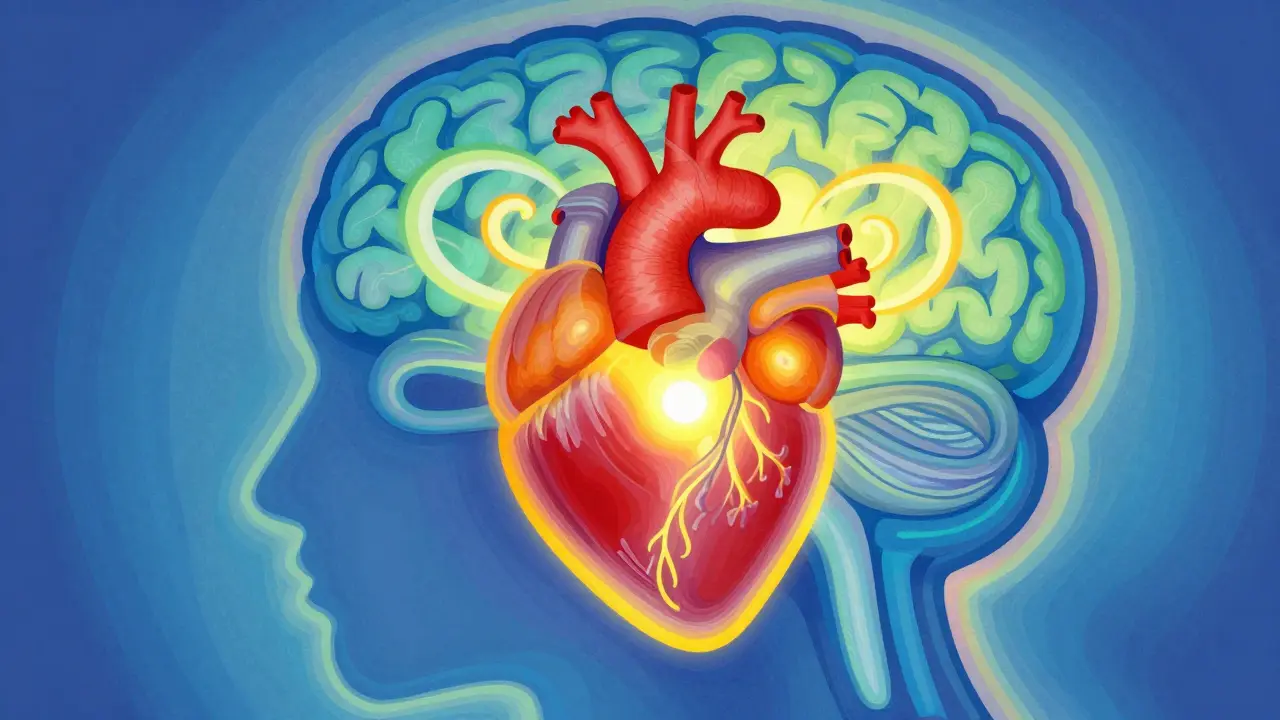
We often think of heart disease as a plumbing problem-pipes getting clogged. But it is also a psychological and systemic issue. Research shows a bidirectional link between mental health and heart health. Depression can increase the risk of developing CVD by 30%, and conversely, people living with heart failure are 3 to 4 times more likely to experience depression than the general population.
Why does this happen? Stress and depression affect the hormones that regulate blood pressure and heart rate. Moreover, when you are struggling mentally, you are less likely to take your medication or stick to a healthy diet. Modern guidelines now emphasize screening for depression as part of routine cardiovascular care because treating the mind can actually help save the heart.
Practical Strategies for a Healthier Heart
If you want to lower your risk, you don't need a medical degree, but you do need a plan. Many health organizations suggest the "ABCS" framework for simple, evidence-based prevention:
- Aspirin: Use it only if your doctor says so, as it helps prevent clots but can cause bleeding in some people.
- Blood pressure control: Keep it under 130/80. Even a small drop in your average pressure significantly lowers stroke risk.
- Cholesterol management: Focus on lowering your LDL-C. For very high-risk people, the goal is now often under 55 mg/dL.
- Smoking cessation: This is the single most impactful change you can make. Stopping smoking begins to repair your vessel lining almost immediately.
Beyond the ABCS, think about your environment. The "zip code vs. genetic code" concept reminds us that where you live-access to fresh food, safe places to walk, and quality clinics-often predicts your heart health more than your DNA does. If you live in a food desert, focusing on frozen vegetables and walking in place at home are realistic, concrete wins.
What is the difference between a heart attack and a stroke?
Both are caused by a lack of blood flow, but the location differs. A heart attack happens when blood flow to the heart muscle is blocked, causing damage to the heart. A stroke happens when blood flow to the brain is blocked or a blood vessel in the brain bursts, damaging brain tissue.
Can I reverse plaque buildup in my arteries?
While you can't easily "scrub" arteries clean, intensive lifestyle changes and high-dose statins can stabilize plaque (making it less likely to rupture) and in some cases, slightly reduce the volume of the plaque. This is known as regression.
How do I know if I have high blood pressure if I feel fine?
Hypertension is often called the "silent killer" because it has no obvious symptoms until a major event occurs. The only way to know is to use a blood pressure cuff regularly at home or visit a clinic.
Are GLP-1 medications only for weight loss?
No. While they are famous for weight loss, GLP-1 receptor agonists are powerful tools for reducing the risk of major cardiovascular events like heart attack and stroke, especially in people with type 2 diabetes.
What is a "good" cholesterol level?
It depends on your risk level. For a healthy person, LDL under 100 mg/dL is usually fine. However, for those with established heart disease or diabetes, doctors often aim for much lower targets, such as under 70 mg/dL or even 55 mg/dL, to prevent new plaques from forming.

Nigel Gosling
Oh, how absolutely quaint that we're still treating the human body like a series of leaky pipes. It is a tragedy of modern existence that we focus so heavily on the mechanical failures of the heart while ignoring the spiritual decay that leads us to these lifestyles in the first place. We are merely biological machines waiting for the gears to jam, yet we pretend a little pill will save our souls from the inevitable grind of industrial capitalism. Truly a farce.
Sharon Mathew
Absolute nonsense! Everyone acts like these GLP-1 drugs are some magic cure-all when they're basically just high-priced shortcuts for people who refuse to eat a vegetable! The obsession with medication over actual discipline is honestly disgusting!
Abhishek Charan
Actually!!! The "ABCS" framework is far too simplistic for the complexities of human biology!!! 🙄 Why ignore the role of inflammation markers like hs-CRP??!! It's just another example of oversimplifying medicine for the masses!!! 📉
Ryan Wilson
Imagine thinking a "food desert" is a valid excuse for letting your arteries turn into concrete. It's a total lack of willpower. Just buy some frozen spinach and stop whining about your zip code. The sheer audacity of blaming the geography for your own metabolic train wreck is a special kind of delusional.
Aubrey Johnson
The formatting of the risk factor table is adequate. However, the prose lacks a certain intellectual rigor. It is a basic summary for a basic audience.
Kali Murray
just glad some people are talking about the mental health side of this 🌸 its all connected honestly ☁️
Trish Perry
It's wild how we treat the heart as this separate pump when it's really just a mirror of how we live. If you're stressed and miserable, your heart knows it long before your brain admits it. We spend so much time fixing the symptom and almost zero time asking why the heart was broken in the first place, metaphorically and physically.
Steve Grayson
I agree with the point about integrated care. It makes way more sense to treat the whole system rather than just chasing one number on a chart.
Stephen Johnson
There is a quiet strength in recognizing that our physical health is deeply intertwined with our environment and our peace of mind. It's a gentle reminder to be kind to ourselves while we navigate these risks. The connection between depression and heart health isn't just a statistic; it's a human experience that deserves more compassion in the clinic.
Kevin Taggart
so like can the cac scan really save u from statins? lol seems crazy :)
Jonathan Hall
While I generally appreciate the attempt to bring these critical health issues to the forefront of public discourse, I find the dismissive tone regarding certain socio-economic barriers to be quite problematic, though I believe we can all find common ground if we simply stop attacking each other's lifestyles and instead focus on the systemic failures of the healthcare infrastructure that leaves so many people without basic preventative care in the first place.
Kat G
The information is clear. Thank you for the guide.