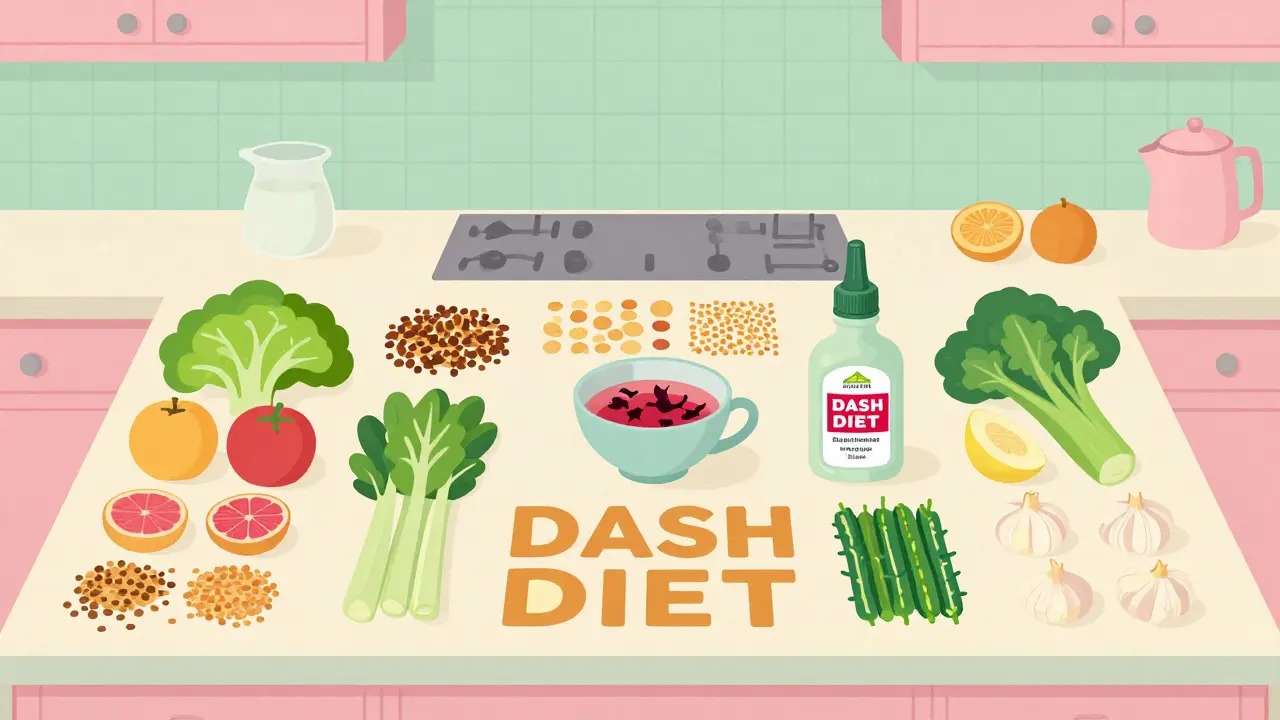
High blood pressure is often called the "silent killer" because it rarely shows symptoms until serious damage has already been done. Yet, managing it doesn't have to mean relying solely on a pill bottle. While medications are life-saving for many, a growing body of evidence suggests that combining pharmaceuticals with specific natural strategies can lower your numbers more effectively and with fewer side effects. The goal isn't necessarily to choose one over the other, but to understand how they work together to protect your heart.
Understanding Your Numbers and Risks
Before changing anything, you need to know where you stand. According to the 2017 guidelines from the American Heart Association (AHA) and the American College of Cardiology (ACC), hypertension is defined as a systolic pressure consistently above 130 mm Hg or a diastolic pressure above 80 mm Hg. This might seem low compared to older standards, but the data supports it. A major study published in JAMA in 2014 showed that lowering blood pressure by just 5 mm Hg systolic reduces stroke mortality by 14% and overall mortality by 7%. That’s a significant drop in risk for a small change in numbers.
The World Health Organization reported in 2021 that approximately 1.28 billion adults globally live with hypertension. It’s not just an individual problem; it’s a global health crisis. Understanding this scale helps explain why medical guidelines have shifted toward earlier intervention. Whether you are newly diagnosed or have managed high blood pressure for years, knowing these benchmarks helps you set realistic goals.
The Foundation: Diet and Lifestyle Changes
If there is one natural strategy with overwhelming scientific backing, it is the DASH diet (Dietary Approaches to Stop Hypertension). Developed by the National Heart, Lung, and Blood Institute in 1997, this eating plan focuses on fruits, vegetables, whole grains, and low-fat dairy while reducing saturated fats and cholesterol. The Mayo Clinic’s 2023 guidelines note that strictly following the DASH diet for 14 days can reduce systolic blood pressure by 8-14 mm Hg, with maximum benefits seen around day 30.
Sodium reduction is another critical piece of the puzzle. The typical American consumes about 3,400 mg of sodium daily, far exceeding the recommended limit. Cutting back to 1,500 mg daily can produce a systolic reduction of 5-6 mm Hg, according to a 2020 AHA scientific statement. This doesn’t mean giving up flavor entirely; it means swapping processed foods for fresh ingredients and using herbs instead of salt shakers.
- Potassium: Aim for 4,700 mg daily to help balance sodium levels.
- Calcium: Target 1,250 mg daily through dairy or fortified alternatives.
- Magnesium: Include 500 mg daily via leafy greens, nuts, and seeds.
- Sodium: Keep it under 1,500 mg per day for optimal results.
Weight loss also plays a massive role. For every kilogram (2.2 pounds) you lose, your systolic blood pressure drops by approximately 1 mm Hg. If you are overweight, losing just 5-10% of your body weight can lead to reductions of 5-20 mm Hg. This makes weight management not just a cosmetic goal, but a vital medical intervention.
Effective Supplements and Natural Remedies
Diet changes are powerful, but some people look for additional support through supplements. Not all supplements are created equal, and efficacy varies. Here is what the research says about the most popular options:
| Supplement | Recommended Dose | Average Systolic Reduction | Evidence Status |
|---|---|---|---|
| Coenzyme Q10 (CoQ10) | 100-225 mg daily | 11-17 mm Hg | Possibly Effective |
| Aged Garlic Extract | 600-1,200 mg daily | 7-10 mm Hg | Possibly Effective |
| Hibiscus Tea | 3-4 cups daily | 7.2 mm Hg | Significant in RCTs |
| Magnesium | 368 mg daily | 2 mm Hg | Modest Benefit |
Coenzyme Q10 stands out for its potential impact. A meta-analysis in the Journal of Human Hypertension (2018) found that doses between 100-225 mg daily could lower systolic pressure by 11-17 mm Hg. However, absorption matters. CoQ10 requires fat-containing meals for maximum bioavailability, so take it with lunch or dinner rather than on an empty stomach.
Garlic, specifically aged garlic extract, has shown consistent results. A 2020 meta-analysis in Nutrients documented systolic reductions of 7-10 mm Hg in stage 1 hypertension patients. Hibiscus tea is another accessible option. A randomized controlled trial published in the Journal of Nutrition (2021) found that drinking 3-4 cups daily for six weeks reduced systolic pressure by 7.2 mm Hg compared to placebo. It’s a simple swap: replace your afternoon coffee with hibiscus tea.
Medication: When Nature Isn't Enough
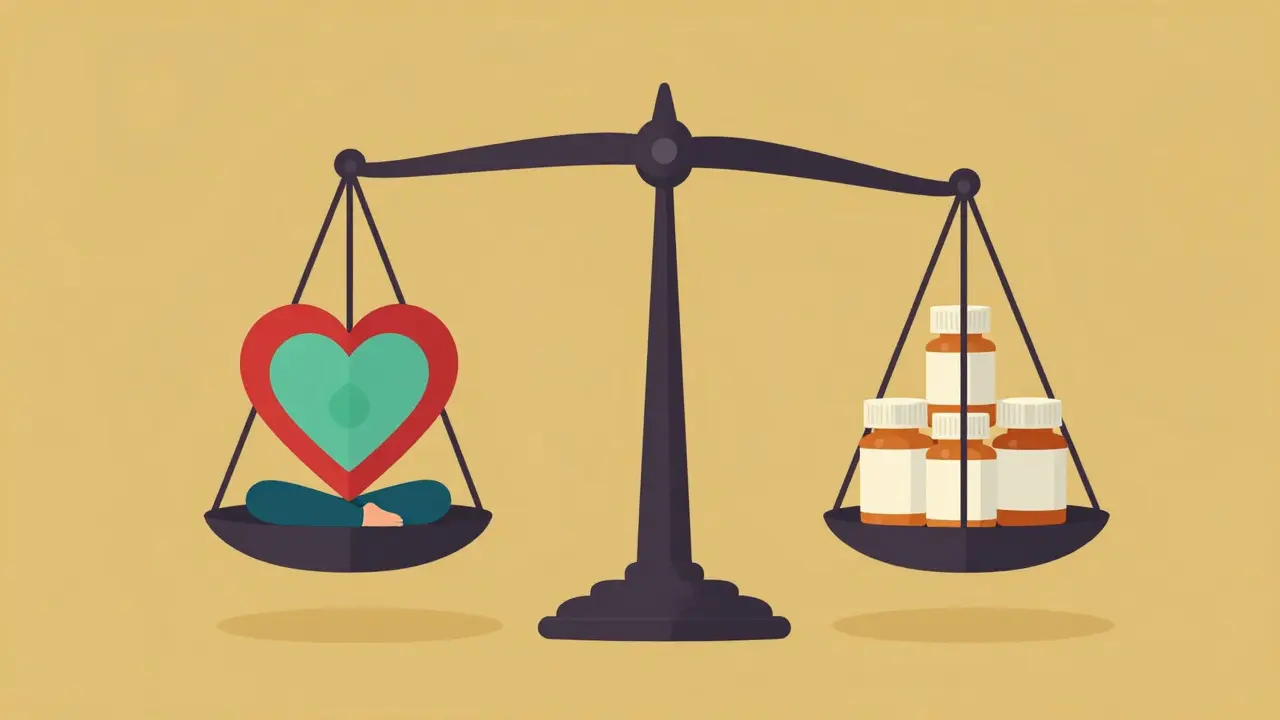
Natural strategies are powerful, but they are not magic bullets. Pharmaceutical treatments remain the gold standard for many patients, especially those with stage 2 hypertension (≥140/90 mm Hg) or existing cardiovascular disease. First-line medications include ACE inhibitors, ARBs, calcium channel blockers, and diuretics, as outlined in the 2023 European Society of Cardiology guidelines.
A 2022 meta-analysis in the Journal of Clinical Hypertension revealed that pharmaceutical treatments typically produce average systolic reductions of 15-20 mm Hg, which is generally higher than most single natural interventions. Moreover, medications work faster. While natural approaches may take 4-8 weeks to show measurable effects, drugs often show results within 2-4 weeks. For someone with dangerously high blood pressure, waiting months for lifestyle changes to kick in is not a safe option.
Dr. John Bisognano, President of the American Society of Hypertension, emphasizes that lifestyle changes should be the foundation, but supplements are adjunctive only. He warns against viewing them as replacements for prescribed therapy when needed. The key is integration, not substitution.
Safety, Interactions, and Real-World Experiences
Combining natural remedies with medication requires caution. Some supplements can interact dangerously with prescription drugs. For example, garlic can potentiate anticoagulants like warfarin, increasing the risk of bleeding. Licorice root can cause potassium depletion, which is risky if you are already taking diuretics. Hawthorn berry may enhance the effects of beta-blockers, potentially causing your blood pressure to drop too low.
User experiences highlight these risks. On Reddit’s r/hypertension community, users frequently share stories of dizziness caused by combining garlic supplements with lisinopril due to over-lowering of blood pressure. Conversely, many report success with hibiscus tea and magnesium, noting modest but steady improvements. A Healthline survey found that 68% of people attempting natural approaches combined them with medications rather than using them exclusively. The most successful outcomes occurred in those who implemented the DASH diet alongside regular aerobic exercise.
Always consult your healthcare provider before starting any new supplement. The National Center for Complementary and Integrative Health reports that 42% of supplement users don’t disclose their usage to physicians, leading to potential missed interactions. Transparency is crucial for your safety.

Exercise and Mind-Body Practices
Physical activity is non-negotiable for blood pressure control. The American Heart Association recommends at least 150 minutes of moderate-intensity aerobic activity weekly, such as brisk walking at 3-4 mph. Vigorous activities like jogging at 5-6 mph require only 75 minutes weekly. Regular exercise can generate a systolic reduction of 5-8 mm Hg.
Mind-body practices are gaining traction as well. Transcendental meditation, practiced for 20 minutes twice daily, has been shown to reduce systolic pressure by 4.7-5.5 mm Hg in hypertensive patients, according to the American Journal of Hypertension (2021). Stress management is often overlooked, but chronic stress keeps your nervous system in "fight or flight" mode, keeping blood pressure elevated. Techniques like deep breathing, yoga, or meditation can help calm this response.
Future Directions and Integrated Care
The landscape of hypertension management is evolving toward integration. The 2023 SPRINT-2 trial demonstrated that combining intensive lifestyle modification with reduced medication doses achieved equivalent blood pressure control to standard medication regimens, but with 32% fewer side effects. This suggests that for some patients, optimizing natural strategies could allow for lower drug dosages, improving quality of life.
The American Medical Association’s 2024 guidelines now formally recognize seven evidence-based natural approaches as complementary therapy. Emerging research is even looking at genetic markers, such as the ACE I/D polymorphism, to predict who will benefit most from specific interventions like hibiscus tea. This precision medicine approach could soon tailor natural strategies to your unique biology.
However, caution remains essential. The American Heart Association’s 2024 presidential advisory clearly states that natural approaches alone are insufficient for stage 2 hypertension or patients with established cardiovascular disease. Medication remains essential for higher-risk individuals. The future lies in a hybrid model: leveraging the power of nature to support, not replace, medical necessity.
Can natural remedies replace blood pressure medication?
Generally, no. While natural strategies like the DASH diet and exercise can significantly lower blood pressure, they are usually not sufficient for stage 2 hypertension (≥140/90 mm Hg) or for patients with existing heart disease. They are best used as complementary therapies to reduce medication dosage under doctor supervision, rather than complete replacements.
How long does it take for natural strategies to work?
Natural approaches typically require 4-8 weeks to demonstrate measurable effects. For example, the DASH diet shows maximum benefits around 30 days, and hibiscus tea trials often measure results after 6 weeks. This is slower than medications, which often show results within 2-4 weeks.
Are there dangerous interactions between supplements and BP meds?
Yes. Garlic can increase the effect of blood thinners like warfarin. Licorice can deplete potassium, interfering with diuretics. Hawthorn may enhance beta-blocker effects, causing blood pressure to drop too low. Always consult your doctor before adding supplements to your regimen.
What is the best diet for lowering blood pressure?
The DASH diet (Dietary Approaches to Stop Hypertension) is the most evidence-backed dietary plan. It emphasizes fruits, vegetables, whole grains, and low-fat dairy while limiting sodium to 1,500 mg daily. Studies show it can reduce systolic pressure by 8-14 mm Hg.
Does CoQ10 really lower blood pressure?
Yes, meta-analyses suggest CoQ10 can lower systolic pressure by 11-17 mm Hg at doses of 100-225 mg daily. However, it must be taken with a fat-containing meal for proper absorption. It is considered "possibly effective" and works best as an adjunct to other treatments.
