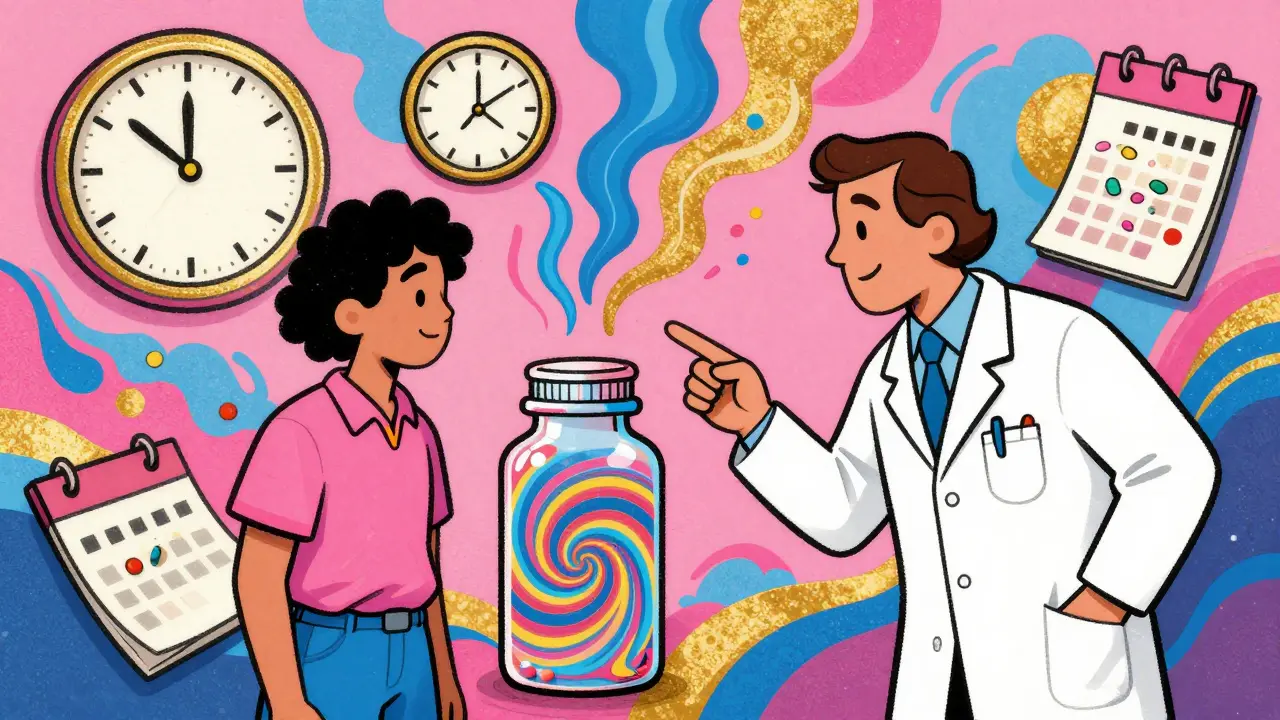
Think about this: you’ve been prescribed a pill to manage your blood pressure, but you skip it when you feel fine. Or maybe you forget because the bottle’s in the back of the cupboard. You’re not being lazy-you’re just human. But here’s the thing: how your doctor sees this behavior, and how it’s measured, could mean the difference between staying healthy and ending up back in the hospital.
For decades, doctors called this compliance. If you didn’t take your pills exactly as told, you were labeled non-compliant. It sounded like a failure on your part. But that language is outdated. Today, the right term is medication adherence. And the difference between these two words isn’t just semantics-it’s life-changing.
Compliance Is About Obedience. Adherence Is About Partnership.
Compliance means doing what you’re told. No questions. No input. You get a script, you take the pills, you don’t argue. It’s a one-way street: doctor gives orders, patient follows. This model worked in the 1970s, when medicine was more about authority than collaboration. But it doesn’t work now.
Medication adherence flips the script. It’s not about whether you followed orders. It’s about whether you’re actively participating in your own care. The American Pharmacists Association defines adherence as the extent to which your behavior-when you take pills, how many you take, whether you stop early-matches what you and your provider agreed on. Notice the word agreed. That’s the key.
Adherence recognizes real life. Maybe you skip your diabetes meds because they make you dizzy. Maybe you can’t afford your blood thinner. Maybe your schedule is so packed, you forget. Adherence doesn’t blame you. It asks: What’s getting in the way? And then it works with you to fix it.
How Do We Measure It?
Compliance used to be measured with a simple yes-or-no: Did you take your pill today? That’s it. Today, adherence is measured with far more nuance.
The American Medical Association says a patient is considered adherent if they take at least 80% of their prescribed medication over time. That’s called the Medication Possession Ratio (MPR). But it’s not just about numbers. Modern tools track more:
- Electronic pill caps (like MEMS) that log when you open your bottle
- Pharmacy refill records showing gaps between prescriptions
- Self-reported surveys asking why you missed doses
- Apps that send reminders and let you log intake
These tools don’t just count pills-they uncover patterns. Did you stop taking your statin after your cholesterol dropped? That’s intentional non-adherence. Did you miss doses because you travel every week and forget to pack your meds? That’s unintentional. The difference changes the solution.
Compliance checks only the “take it” part. Adherence looks at the whole journey: Did you start? Did you keep going? Did you stop early? Why?
Why This Shift Matters More Than You Think
Here’s the hard truth: about half of all people with chronic conditions stop taking their meds within the first year. That’s not because they’re careless. It’s because the system didn’t meet them where they are.
When providers use adherence, outcomes improve dramatically. Studies show patients in adherence-focused programs are 2.5 times more likely to stick with their treatment. Their hospital visits drop. Their costs go down. Their lives get better.
Take Kaiser Permanente’s 2023 study with the Hero Health system. Patients using the smart pill dispenser saw a 42% drop in missed doses. Why? Because it didn’t just remind them-it gave them real-time feedback, let them talk to a pharmacist, and adjusted reminders based on their habits.
Meanwhile, compliance-only approaches keep failing. In nursing homes and correctional facilities, where staff still say “comply or else,” patients drop out of treatment faster. They feel powerless. They disengage. And their health suffers.

What Providers Are Doing Differently Now
Health systems aren’t just changing words-they’re changing practices.
Doctors are being trained in motivational interviewing. That means asking open-ended questions like: “What’s your biggest concern about this medication?” instead of “Are you taking your pills?”
Pharmacists now offer free adherence counseling. In 2025, the American Medical Association added new billing codes (99487-99489) so providers can get paid for these conversations. That’s huge. It means adherence isn’t a nice-to-have-it’s now part of standard care.
Electronic health records now flag patients at risk for non-adherence. Algorithms predict who’s likely to miss doses based on things like income, transportation access, or past refill gaps. That’s not surveillance-it’s prevention.
And patients are demanding it. The National Patient Advocate Foundation ran a campaign in 2022 that convinced 47 healthcare organizations to remove “compliance” from their websites, forms, and training materials. Patients said: “Don’t tell me to comply. Help me succeed.”
Where Compliance Still Has a Place
Adherence isn’t always the answer. In rare cases, like tuberculosis treatment, direct observation is necessary. That’s called DOT-Directly Observed Therapy. A nurse watches you swallow your pills. In that case, compliance is the standard. And it works.
But for the 95% of conditions that are chronic-diabetes, high blood pressure, asthma, depression, arthritis-adherence is the only path forward. These aren’t short-term fixes. They’re lifelong habits. And habits are built with support, not orders.
The Future Is Personalized
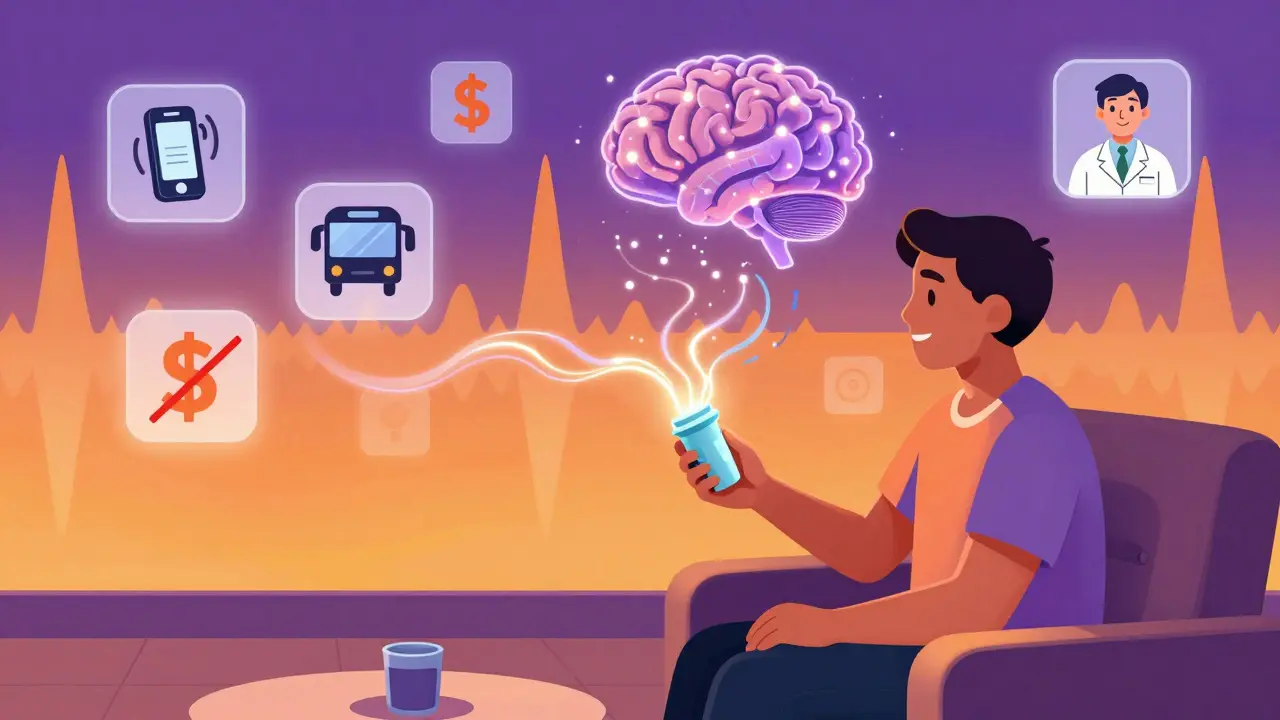
What’s next? AI. Google Health’s 2024 study used machine learning to predict individual adherence barriers with 83.7% accuracy. It looked at 27 factors: your zip code, your phone usage, your refill history, even your social media posts about side effects.
Imagine this: your app notices you haven’t opened your pill bottle on weekends. It doesn’t nag you. It asks: “Would you like your reminder moved to Sunday morning?” Or: “Would you prefer a text instead of a call?” That’s adherence in action.
The World Health Organization estimates that if we scale adherence-focused care globally, we could prevent 850,000 premature deaths in low- and middle-income countries by 2030. That’s not a guess. That’s a projection based on real data from clinics in Kenya, Brazil, and India.
What You Can Do Today
If you’re on medication:
- Don’t just take your pills-talk about them. Ask your doctor: “Why is this important for me?”
- If you’re skipping doses, don’t hide it. Say: “I’ve been having trouble with this. Can we adjust it?”
- Use a pill organizer. Set phone alarms. Try an app like DosePacker or Medisafe.
- Ask your pharmacist if they offer free adherence checks. Many do.
If you’re a caregiver or family member:
- Don’t nag. Listen.
- Help them identify barriers: Is it cost? Side effects? Confusion?
- Offer to go to appointments with them. Bring a notebook.
The Bottom Line
Medication adherence isn’t about being perfect. It’s about being supported. It’s about having a team that doesn’t judge you for forgetting, but helps you remember. It’s about feeling like your voice matters in your own care.
Compliance says: “You didn’t follow the rules.”
Adherence says: “Let’s figure out how to make this work for you.”
The world of medicine has changed. It’s time you knew the difference.

Katie Schoen
finally someone gets it. compliance sounds like a prison guard yelling at you to take your pills. adherence? that’s your doctor actually listening when you say ‘i can’t afford this’ or ‘it makes me puke’. big difference.
Beth Templeton
adherence is just compliance with therapy speak
Pavan Vora
in india, we don't have the luxury of apps or pill dispensers... my aunt takes her BP meds only when she feels dizzy... no one judges her... she just survives. maybe adherence is a rich-country word?
Cam Jane
as a pharmacist, i’ve seen this shift firsthand. patients who used to shut down when we said ‘you’re non-compliant’ now open up when we ask ‘what’s making this hard?’ one guy missed his insulin for weeks because he was scared of needles. we switched him to a pen. he’s been stable for a year. it’s not about obedience-it’s about trust. and yeah, billing codes 99487-99489? long overdue. if we’re gonna call it ‘care,’ we gotta pay for the care part.
Amy Le
compliance is patriotism. adherence is a woke buzzword. if you can't follow basic instructions, maybe you shouldn't be on meds at all 🇺🇸💊
Tiffany Adjei - Opong
oh please. if you’re skipping meds because you ‘feel fine’ then you’re not sick enough to need them. this whole adherence thing is just a way to make people feel better about not taking responsibility. if your life is too busy to remember pills, maybe you shouldn’t have chronic illness. also, why are we letting AI read our social media? next they’ll be judging our grocery carts.
Susan Arlene
my grandpa took his pills every day for 20 years but still died of a stroke. so what’s the point really. maybe we’re just delaying the inevitable. anyway i forgot to take mine today. who cares
Molly McLane
thank you for writing this. i’ve worked in community health for 15 years and the language shift from compliance to adherence changed everything. one woman told me she stopped her antidepressants because her kid needed her to drive to school every morning and the meds made her too tired. we switched to a once-daily version and gave her a pill organizer with pictures. she’s been stable for 2 years now. it’s not about being perfect-it’s about being seen. and yeah, the Hero Health system? it’s magic. i wish every clinic had it.
Indra Triawan
you think this is new? in my village in Java, we’ve always asked ‘why’ before giving medicine. not ‘do this’. we sit. we listen. we offer tea. maybe western medicine just needs to stop being so loud and start being human again.
Ryan Barr
adherence is just corporate medicine’s way of outsourcing accountability to patients while charging $200 for a 10-minute consult. the real issue? drug prices. not your ‘behavior’.
Ashley S
why are we even talking about this? people are just lazy. give them a pill. make them take it. no excuses. this whole ‘partnering’ thing is just enabling weakness.