Drug Kidney Damage: Signs, Causes, and How to Protect Your Kidneys
When you take a medication, you expect it to help—not hurt your kidneys, organs that filter waste and excess fluids from your blood. Also known as renal system, they’re silently working 24/7, and many common drugs can quietly damage them over time. This isn’t rare. Nephrotoxicity, the term for kidney damage caused by drugs shows up in hospitals and homes alike, often missed until it’s advanced. It’s not just about heavy painkillers or antibiotics—even common prescriptions like statins, diuretics, and certain diabetes meds can add up to real risk if you’re not careful.
What makes nephrotoxic drugs, medications known to harm kidney function so sneaky is that you might feel fine. No pain. No warning. Just a slow drop in kidney filter rate, picked up only by blood tests. People on long-term pain meds like ibuprofen or naproxen are at higher risk, especially if they’re older or already have high blood pressure or diabetes. Even renal side effects, unintended harm to kidney tissue from medication use from antibiotics like gentamicin or antivirals like acyclovir can stack up if you’re dehydrated or taking multiple drugs at once. The real danger? Many don’t realize their daily pills could be quietly stressing their kidneys.
It’s not all doom. Knowing the signs helps. Swelling in your ankles, unusual fatigue, changes in urine output, or persistent nausea aren’t just "getting older"—they could be your kidneys signaling trouble. If you’re on more than three medications, especially if you’re over 60, talk to your doctor about checking your kidney function with a simple blood test. Some drugs can be swapped for safer ones. Doses can be adjusted. Hydration habits can change. You don’t have to guess whether your meds are safe for your kidneys—you can find out.
Below, you’ll find real-world guides on medications that carry kidney risks, how to spot trouble early, and what alternatives exist. No fluff. Just clear, practical info from people who’ve been there—whether it’s understanding why grapefruit juice can make your statin more dangerous, how diuretics like amiloride affect kidney function, or what to watch for when taking long-term steroids. These aren’t theoretical risks. They’re everyday concerns. And you deserve to know how to protect yourself.
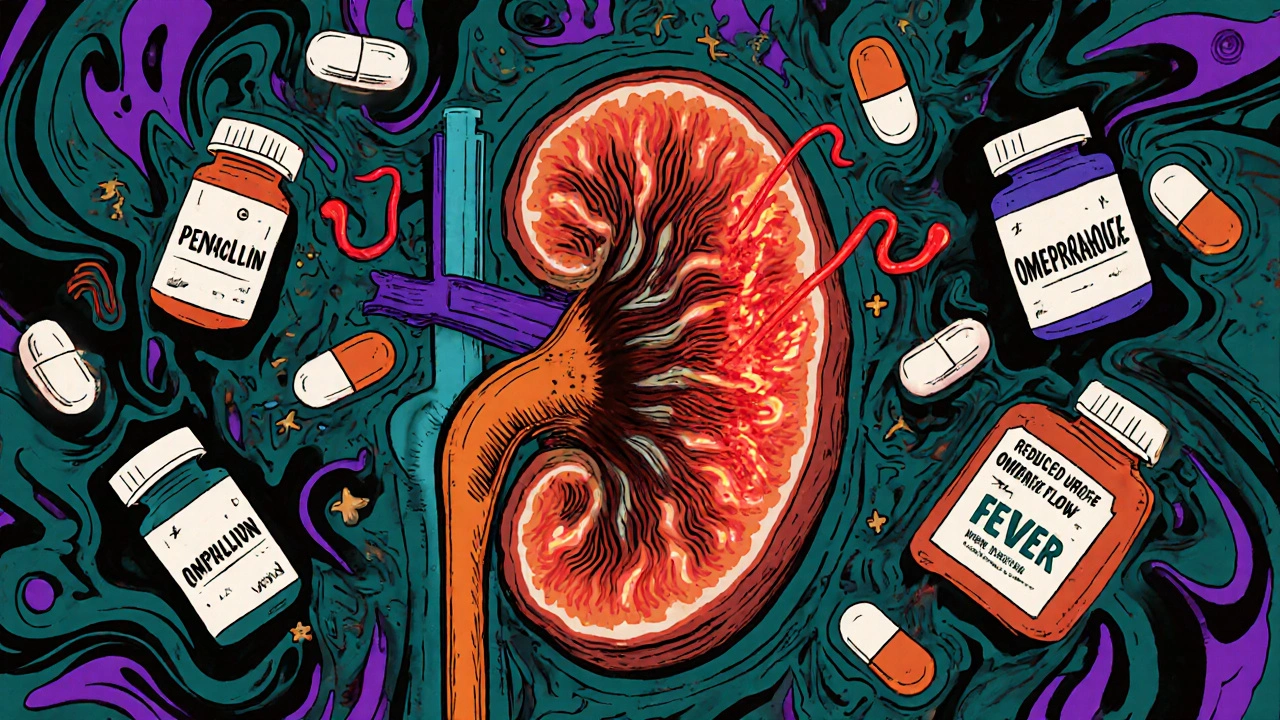
Acute Interstitial Nephritis from Medications: Signs, Causes, and What to Do
Medication-induced acute interstitial nephritis is a hidden cause of kidney damage. Learn the signs, which drugs trigger it, what to do if you suspect it, and how to protect your kidneys long-term.