Medication Interactions: What You Need to Know About Dangerous Drug Combinations
When you take more than one medication, you’re not just adding effects—you’re creating a chemical conversation your body has to manage. Medication interactions, happen when two or more drugs, supplements, or even foods change how each other works in your body. Also known as drug interactions, they can make a treatment useless, amplify side effects, or trigger life-threatening reactions. This isn’t theoretical. Simvastatin with grapefruit juice can cause muscle breakdown. St. John’s Wort can turn birth control into a lottery. Hydroxyzine might throw your heart rhythm off. These aren’t rare edge cases—they’re common, preventable mistakes.
Most people don’t realize their daily supplements are part of this equation. Herbal supplements, like St. John’s Wort or ginger, aren’t harmless just because they’re natural. They interact with antidepressants, blood thinners, and even cancer drugs. And it’s not just pills—prescription drugs, like those used for bipolar disorder, high blood pressure, or cancer. Also known as medications, they’re designed to work in precise ways, and mixing them without knowing the rules can backfire hard. Acamprosate and naltrexone help with alcohol dependence, but they don’t play well with every other drug on your shelf. Even common painkillers like NSAIDs can quietly damage your kidneys when stacked with other meds. The real danger? You won’t always feel it coming. Acute interstitial nephritis from a drug combo might show up as fatigue or swelling—symptoms you’d blame on stress or aging.
It’s not about avoiding all combinations—it’s about knowing which ones are safe and which aren’t. That’s why the posts here cover real examples: how hydroxyzine affects heart rhythm, why simvastatin 80 mg is risky with common antibiotics, and how ranitidine’s withdrawal forced people to find safer acid reflux options. You’ll find guides on managing steroid side effects, how Medicare formularies impact generic access, and why copay assistance matters even for cheap meds. This isn’t just a list of warnings—it’s a practical toolkit. You’ll learn what questions to ask your pharmacist, how to spot red flags in your own meds, and how to avoid the traps that catch even experienced patients. The goal isn’t fear—it’s control. Know what you’re taking, why it’s there, and what it might do to the next pill on your list.
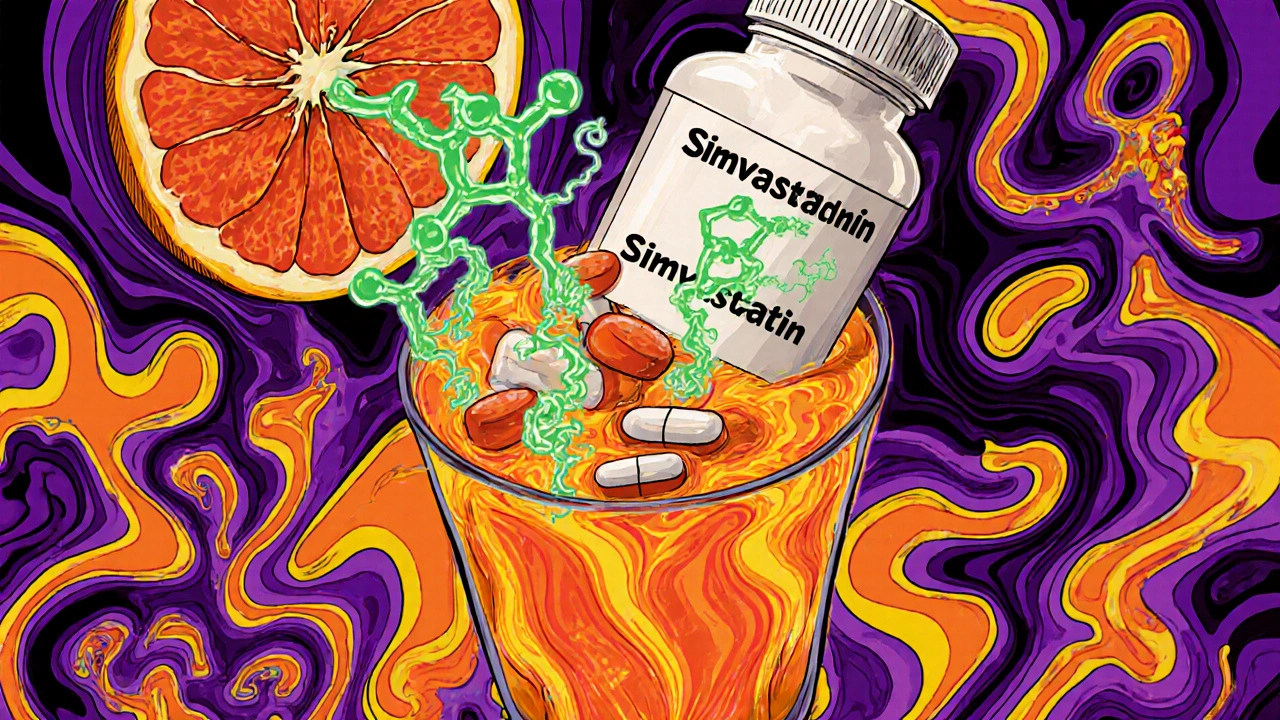
Grapefruit Juice and Medications: What You Need to Know Before You Drink
Grapefruit juice can dangerously increase drug levels in your blood by blocking a key enzyme. Learn which medications are at risk, why timing doesn't help, and how to stay safe.