Medication Overuse Headache: What It Is and How to Stop It
When you take pain medicine too often for headaches, you might not realize you’re making them worse. This is called medication overuse headache, a condition where frequent use of headache medications leads to more frequent and severe headaches. Also known as rebound headache, it’s one of the most common reasons people with migraines or tension headaches see no improvement—despite taking more pills. It’s not a side effect. It’s a cycle: you get a headache, take a pill, feel better, then get another headache soon after, so you take another pill—and the pattern keeps growing.
This isn’t about occasional use. If you’re using over-the-counter painkillers like ibuprofen or acetaminophen more than 15 days a month, or migraine-specific drugs like triptans or combination analgesics more than 10 days a month, you’re at risk. Even caffeine-containing pills or prescription opioids can trigger it. The body adapts. The brain starts expecting the drug. When it’s not there, the pain returns—and stronger. It’s not your headache getting worse. It’s the medicine itself causing the problem.
What makes this tricky is that people don’t realize they’ve crossed the line. They think they’re being proactive. They’re not lazy. They’re desperate for relief. But the fix isn’t more medicine. It’s stopping. And that’s hard. Withdrawal can bring worse headaches, nausea, sleep issues, or anxiety for days or weeks. But studies show most people who stick with it see major improvement within two months. The key is working with a doctor to create a safe plan—cutting back gradually or sometimes stopping cold turkey, depending on the drug and your history.
You’ll find real stories here about how people broke free from this cycle. Some switched to preventive treatments like beta-blockers or CGRP inhibitors. Others found non-drug tools like biofeedback or CBT for pain. A few learned how to track their intake using simple logs to avoid slipping back. And yes, some had to quit caffeine cold turkey, or stop using daily NSAIDs they thought were harmless. These aren’t theoretical tips. They’re lived experiences from people who were where you are now.
This collection doesn’t just explain the problem. It gives you the tools to fix it. You’ll read about how to safely reduce medications without triggering a crisis, how to spot the warning signs before it gets worse, and what alternatives actually work when your usual painkillers stop helping. There’s also advice on managing headaches during withdrawal, how to talk to your doctor about deprescribing, and why some people need to avoid certain drugs entirely once they’ve had medication overuse headache.
You’re not alone. And you don’t have to keep living like this. The first step is recognizing the pattern. The next is knowing what to do next. Everything you need to take that step is below.
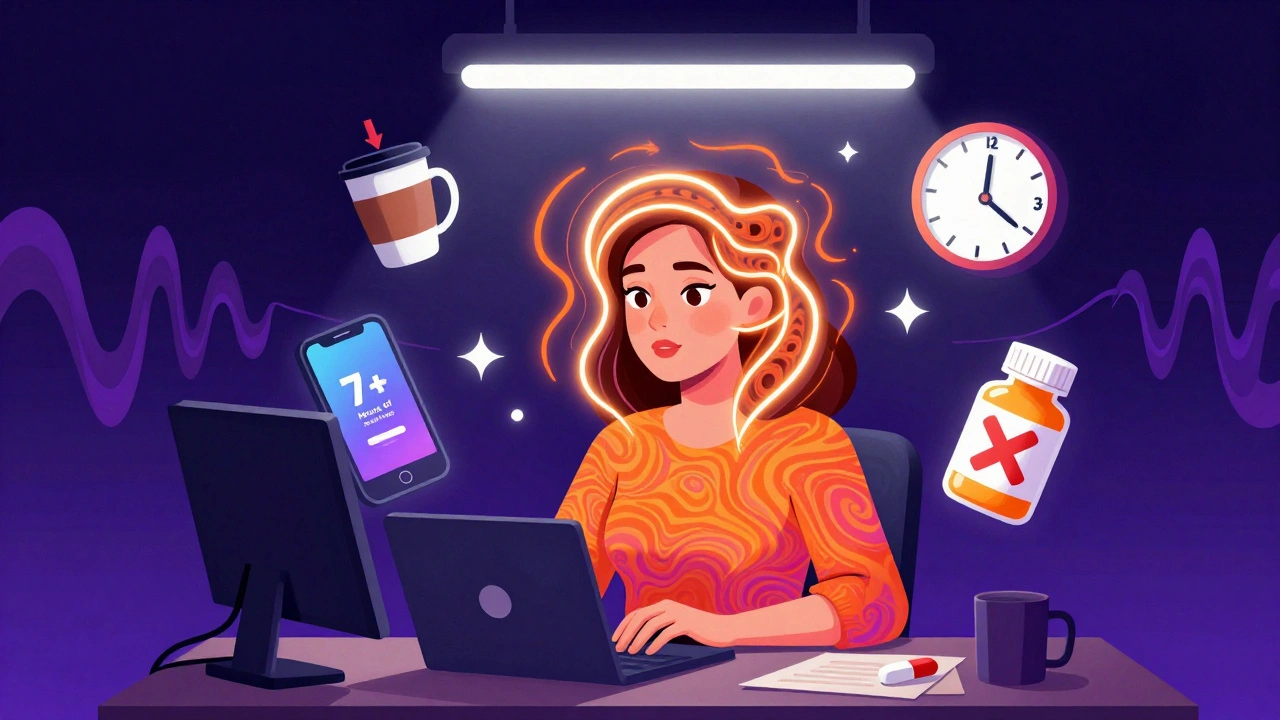
Chronic Tension Headaches: Triggers, Prevention, and Proven Treatments
Chronic tension headaches happen 15+ days a month and aren't just 'stress.' Learn the real triggers, proven treatments like amitriptyline and CBT, what to avoid, and how to manage them long-term.