Prevent Tension Headaches: Natural Ways, Triggers, and Medication Tips
When you feel that dull, constant ache behind your eyes or across your forehead, you’re likely dealing with a tension headache, a common type of headache caused by muscle tightness in the neck, scalp, and shoulders, often triggered by stress, poor posture, or eye strain. Also known as stress headache, it’s not just "in your head"—it’s a physical response to daily pressures that many people ignore until it becomes daily. Unlike migraines, tension headaches don’t usually come with nausea or light sensitivity, but they can be just as disabling if they keep coming back.
What makes tension headaches so tricky is that they’re often tied to things you do every day—sitting at a desk too long, clenching your jaw while working, or sleeping with your neck twisted. These aren’t random events; they’re habits that build up. And while over-the-counter painkillers might give you quick relief, relying on them too often can lead to medication-overuse headaches, a cycle that’s hard to break. That’s why learning how to prevent tension headaches matters more than treating them after they start. The real fix isn’t just stronger pills—it’s understanding what triggers them and changing the small things that add up.
Stress is the biggest player here, but it’s not the only one. Poor sleep, dehydration, skipping meals, and even too much caffeine can set off a chain reaction in your body that ends with a pounding head. Some people don’t realize their glasses are outdated, or that their pillow is pushing their neck into the wrong position. These aren’t just annoyances—they’re headache catalysts. And when you’re already dealing with other health issues—like anxiety, chronic pain, or even side effects from medications like hydroxyzine or corticosteroids—the risk goes up. The good news? You don’t need expensive treatments or drastic changes. Small, consistent habits make the biggest difference: taking breaks to stretch, drinking enough water, adjusting your screen height, and learning to breathe through stress instead of tensing up.
There’s also a growing body of research showing that cognitive behavioral tools—like those used for pain catastrophizing or tinnitus—can help rewire how your brain responds to head pain. It’s not about ignoring the pain, but changing your reaction to it. And when medication is needed, knowing what’s safe and what’s risky matters. Mixing pain relievers with antihistamines or opioids can be dangerous. Even natural supplements like St. John’s Wort can interfere with your usual meds. That’s why knowing your own triggers, tracking your habits, and understanding your medication safety profile is part of prevention.
Below, you’ll find real, practical advice from people who’ve been there—how to read labels to avoid drug interactions that worsen headaches, how to safely manage medications over time, and how simple lifestyle shifts can cut the frequency of headaches in half. No fluff. No guesswork. Just what works.
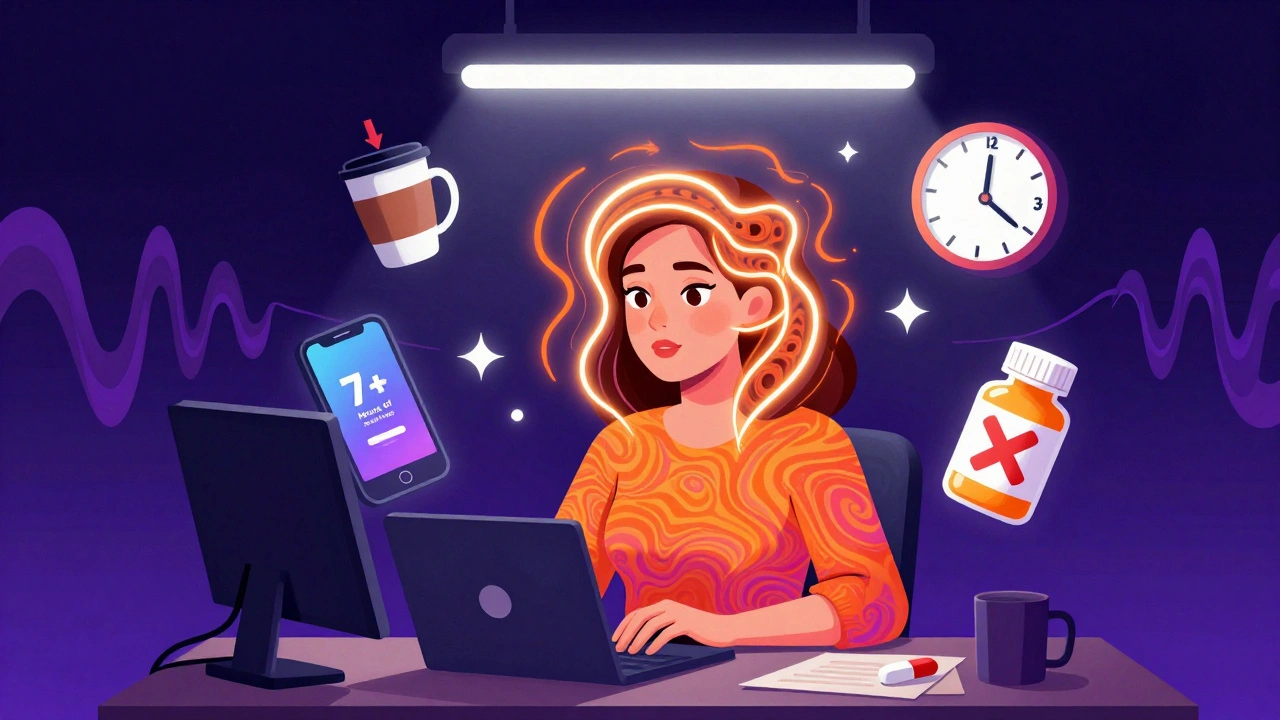
Chronic Tension Headaches: Triggers, Prevention, and Proven Treatments
Chronic tension headaches happen 15+ days a month and aren't just 'stress.' Learn the real triggers, proven treatments like amitriptyline and CBT, what to avoid, and how to manage them long-term.