Statins: What They Are, How They Work, and What You Need to Know
When your doctor says you need a statin, a class of medications used to lower LDL cholesterol and reduce the risk of heart attack and stroke. Also known as HMG-CoA reductase inhibitors, these drugs don’t just treat numbers on a lab report—they actively protect your heart by slowing down plaque buildup in your arteries. If you’ve been told your cholesterol is high, chances are you’ve heard of statins. But do you know why they’re prescribed, how they actually work inside your body, or what the real risks might be?
Statins work by blocking an enzyme in your liver called HMG-CoA reductase, which your body uses to make cholesterol. Less cholesterol made means your liver pulls more out of your bloodstream, lowering your LDL cholesterol, often called "bad" cholesterol because it builds up in artery walls—the main culprit behind heart attacks. But statins don’t just lower cholesterol. Studies show they also reduce inflammation in blood vessels, stabilize existing plaques, and even improve how blood flows through narrowed arteries. That’s why people with a history of heart disease, diabetes, or high blood pressure often benefit the most—even if their cholesterol isn’t extremely high.
Not everyone reacts the same way. Some people take a statin and feel fine. Others report muscle aches, fatigue, or trouble sleeping. Rare but serious side effects include liver issues and a condition called rhabdomyolysis, where muscle tissue breaks down dangerously. The risk goes up with higher doses or when statins are mixed with certain other drugs—like grapefruit juice or some antibiotics. That’s why simvastatin, a common statin with known interaction risks has a maximum recommended dose of 80 mg, and why doctors avoid combining it with other medications unless absolutely necessary. If you’re on a statin and feel off, don’t just quit. Talk to your doctor. Sometimes switching to a different statin—like rosuvastatin or pravastatin—makes all the difference.
Statins aren’t magic pills, and they’re not for everyone. But for millions of people, they’ve meant the difference between a heart attack and a second birthday. The key is knowing your numbers, understanding your personal risk, and working with your doctor to find the right dose and type. Below, you’ll find real-world guides on how statins interact with other drugs, what to do if you experience side effects, and how to stay safe while taking them. No fluff. Just what you need to know to make smart choices about your heart health.
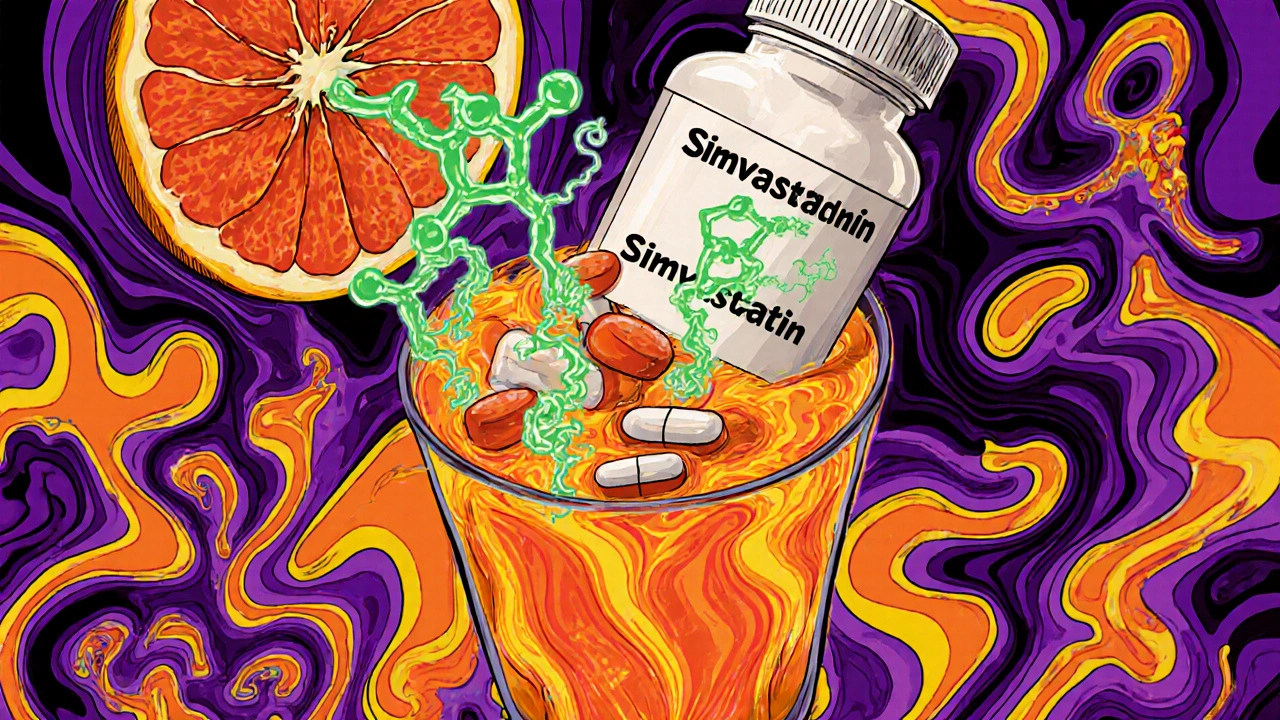
Grapefruit Juice and Medications: What You Need to Know Before You Drink
Grapefruit juice can dangerously increase drug levels in your blood by blocking a key enzyme. Learn which medications are at risk, why timing doesn't help, and how to stay safe.