Avoid Medication Errors: How to Stay Safe with Pills, Pills, and Prescriptions
When you take a medication, you trust it will help—not hurt. But avoid medication errors, mistakes in how drugs are prescribed, dispensed, or taken that can lead to serious harm or death. Also known as prescription mistakes, these errors happen every day in homes, pharmacies, and hospitals—even when everyone means well. It’s not just about forgetting a pill. It’s about mixing blood thinners with herbal supplements, taking two drugs that slow your breathing, or not realizing your new painkiller is the same as your old one under a different name.
Drug interactions, when two or more medicines react in your body to cause unexpected side effects are one of the biggest hidden dangers. Grapefruit juice can turn a safe statin into a toxic one. Benadryl with an opioid? That combo can stop your breathing. Even something as simple as taking too many painkillers over time can lead to polypharmacy, the use of multiple medications at once, often unnecessarily, especially in older adults. Studies show nearly half of seniors take five or more drugs daily—and one in five ends up in the ER because of it. The problem isn’t the drugs themselves. It’s the lack of clear tracking, communication, and understanding.
And it’s not just about what you take. It’s about how you store it, dispose of it, and when you stop. Expired EpiPens won’t work in an emergency. Tossing pills in the trash can poison pets or water supplies. Stopping steroids too fast can trigger adrenal crisis. Medication safety, the practice of using drugs correctly to prevent harm means asking questions, reading labels, keeping a list, and talking to your pharmacist—not just your doctor. Pharmacists are trained to catch errors before they happen. They know which generics are interchangeable, which drugs interact with grapefruit, and which ones shouldn’t be crushed or mixed with alcohol.
You don’t need to be a medical expert to protect yourself. You just need to be aware. The posts below cover real cases: how antidepressants can trigger mania in people with bipolar disorder, why seniors on blood thinners shouldn’t fear falls as much as they fear strokes, and how deprescribing—carefully cutting back on unneeded pills—can actually improve energy and reduce falls. You’ll learn how to spot warning signs like QT prolongation from hydroxyzine, why St. John’s Wort can wreck your birth control, and how Medicare formularies affect what you pay for generics. These aren’t theoretical risks. They’re everyday situations that happen to real people who didn’t know what to ask.
By the end of this collection, you’ll know how to build a personal medication safety plan—simple, practical, and backed by evidence. No fluff. No jargon. Just what you need to make sure your next pill does what it’s supposed to—and nothing more.
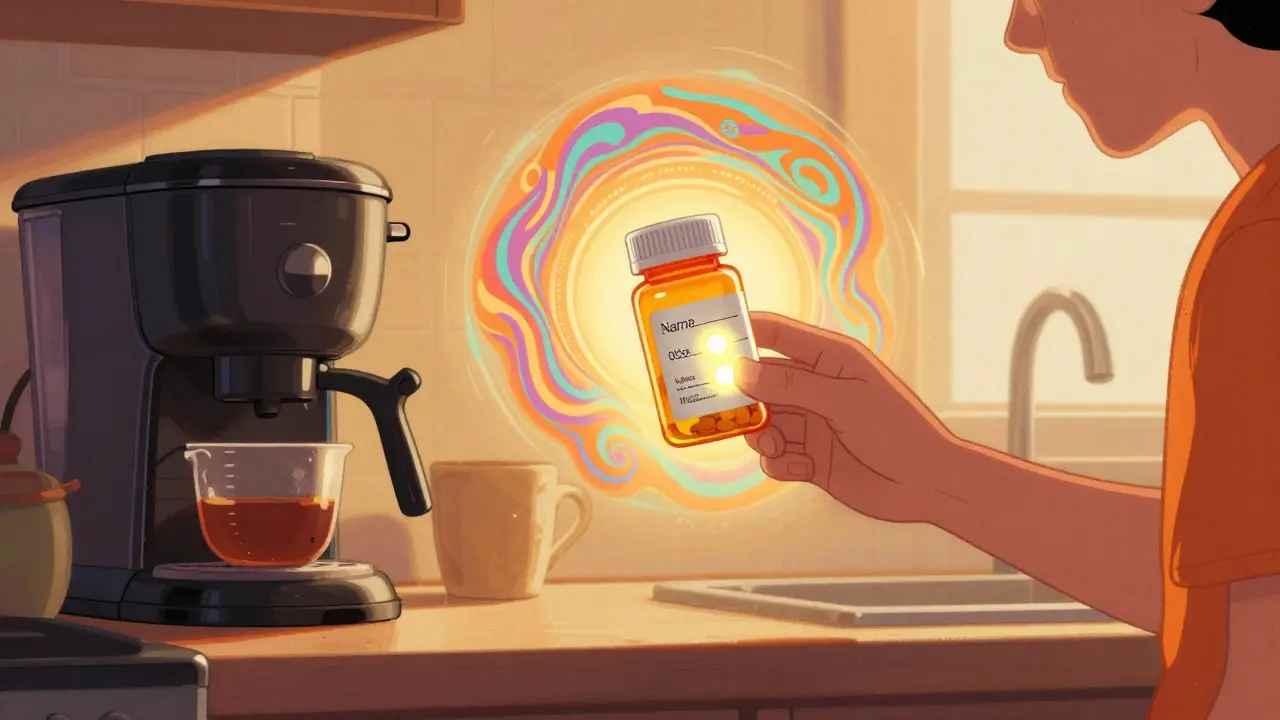
How to Train Yourself to Check Labels Before Every Dose: A Simple Habit That Saves Lives
Learn how to build a simple, life-saving habit of checking medication labels before every dose. Reduce your risk of dangerous errors with proven techniques used by pharmacists and patients alike.
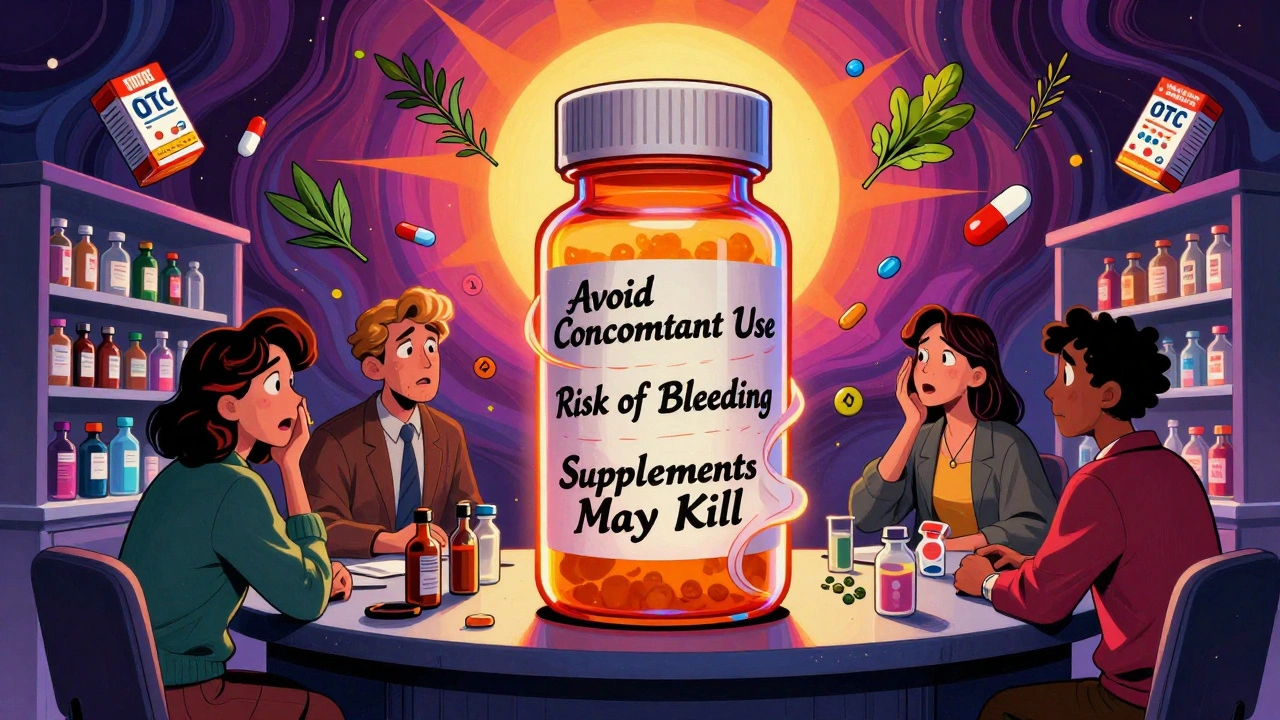
How to Read Prescription Labels to Avoid Dangerous Drug Interactions
Learn how to read prescription labels to spot dangerous drug interactions. Avoid hospitalizations by understanding warnings, decoding medical jargon, and checking for supplement risks.