Cognitive Behavioral Therapy: How It Works and What It Helps With
When you're stuck in a loop of negative thoughts—worrying about what others think, blaming yourself for things you can't control, or dreading everyday situations—you're not just feeling down. You're caught in a pattern that cognitive behavioral therapy, a structured, evidence-based approach to changing harmful thinking and behavior patterns. Also known as CBT, it's one of the most researched and effective tools for managing mental health. Unlike talk therapy that digs deep into the past, CBT focuses on the here and now: how your thoughts, feelings, and actions feed each other in real time.
It works because your brain learns. If you keep telling yourself, "I’ll fail if I speak up," or "No one cares what I say," your body responds with anxiety, avoidance, or shutdown. CBT gives you practical steps to challenge those thoughts—not by positive affirmations, but by asking: "What’s the evidence? What’s another way to see this?" It’s not about thinking happy thoughts. It’s about thinking accurate ones. And when your thinking shifts, your behavior follows. That’s why CBT is used for everything from anxiety treatment, a method to reduce excessive worry, panic, and avoidance behaviors to depression therapy, a structured approach to breaking cycles of hopelessness and inaction, and even managing chronic pain or insomnia.
You don’t need to be in crisis to benefit. Many people use CBT techniques to handle stress at work, improve sleep, or stop overthinking after a bad day. It’s not magic. It’s practice. And the good news? You don’t need a therapist to start. Many of the tools—like journaling thoughts, tracking triggers, or testing beliefs—are simple enough to try on your own. The posts below show how CBT shows up in real life: helping people with tinnitus sleep better, reducing the fear of side effects from medications, and even supporting patients making tough treatment choices with their doctors. These aren’t abstract ideas. They’re tools people are using right now to take back control.
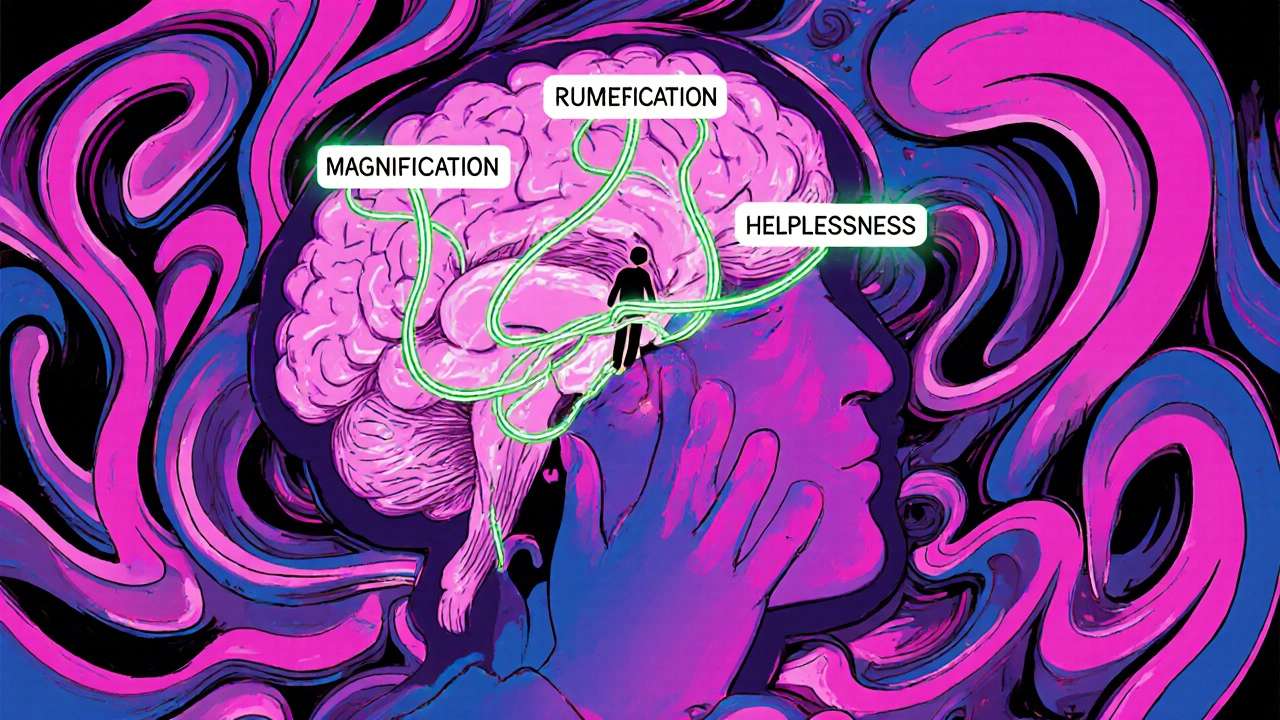
Pain Catastrophizing: CBT Tools to Reduce Distress
Pain catastrophizing makes chronic pain feel worse by amplifying fear and helplessness. Learn how CBT tools like self-monitoring and cognitive restructuring can reduce distress and improve daily function without denying physical pain.