Vitamin B6: What It Does, Who Needs It, and How It Connects to Your Health
When you think of vitamin B6, a water-soluble nutrient essential for brain chemistry and metabolism. Also known as pyridoxine, it doesn’t just keep you from getting a rash or numb fingers—it’s quietly running the show behind your mood, energy, and even heart health. Unlike fat-soluble vitamins that stick around, B6 gets flushed out daily, so you need it regularly. Your body uses it to turn food into fuel, make red blood cells, and, most importantly, build neurotransmitters like serotonin and dopamine. Without enough B6, your brain struggles to send calm signals, which is why low levels are tied to irritability, depression, and poor sleep.
That’s not all. homocysteine, a harmful amino acid linked to heart disease and stroke builds up when B6 is low. Vitamin B6 helps break it down. That’s why doctors sometimes check B6 levels in people with unexplained heart issues—even if their cholesterol looks fine. And if you’re on certain medications like metformin, birth control pills, or antiseizure drugs, you might be draining your B6 faster than you realize. Even heavy alcohol use can wipe it out. You don’t need fancy supplements to fix this. Foods like chickpeas, salmon, potatoes, and bananas give you more than enough if you eat them regularly.
B6 deficiency, a real but often missed condition doesn’t always show up as tiredness. It can look like cracked lips, a swollen tongue, or weird tingling in your hands. In older adults, it’s sometimes mistaken for dementia because memory and focus take a hit. Pregnant women often need more because B6 helps with morning sickness—some studies show it works as well as ginger for nausea. And while most people get enough from food, supplements can help if you’re at risk. But more isn’t always better. Taking too much long-term can damage your nerves, so stick to the recommended dose unless a doctor says otherwise.
What you’ll find in the posts below isn’t just a list of articles. It’s a real-world look at how vitamin B6 shows up in medicine—not as a miracle cure, but as a quiet player behind the scenes. You’ll see how it connects to mood stabilizers, why it matters when you’re on long-term steroids, how it interacts with herbal supplements like St. John’s Wort, and what happens when your body can’t process it right. This isn’t theory. It’s what people are actually dealing with, and what doctors are watching for.
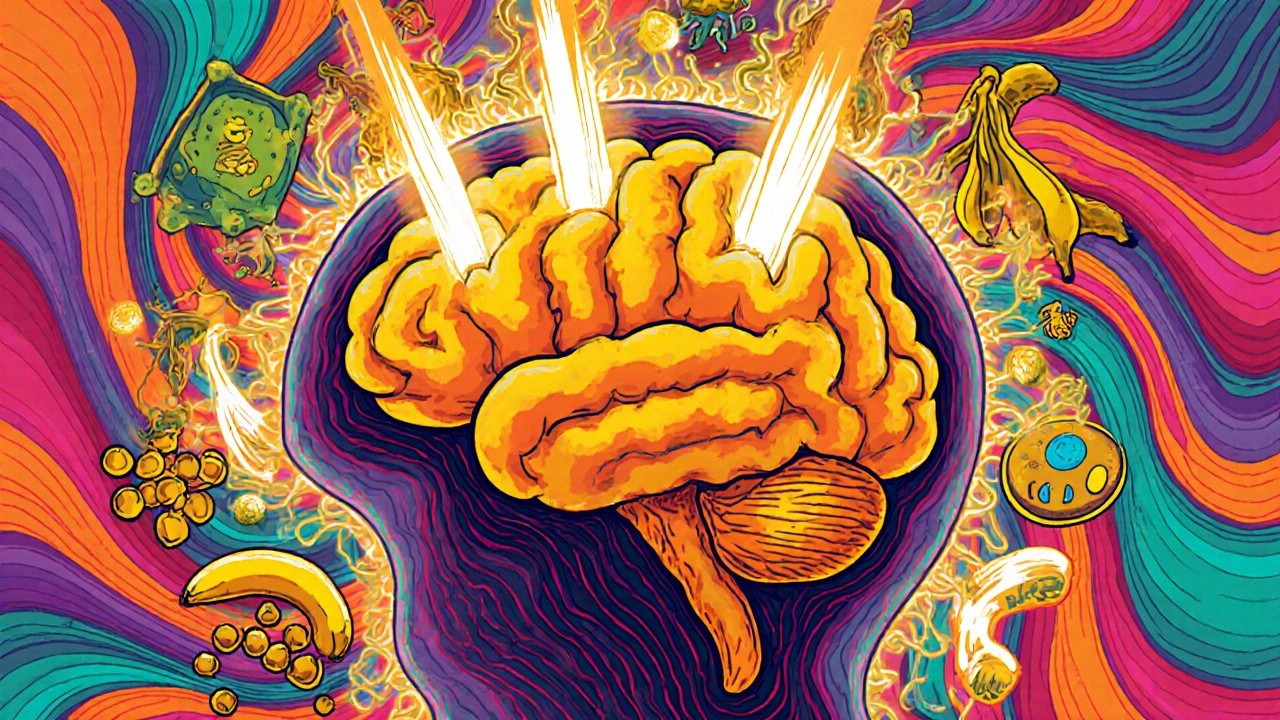
Vitamin B6: How This Simple Nutrient Boosts Your Brain, Mood, and Energy
Vitamin B6 is essential for brain function, mood, energy, and sleep. Learn how low levels affect your health, which foods give you the most, and when to consider a supplement.