Bipolar Disorder: Treatment, Medications, and What Really Works
When someone has bipolar disorder, a mental health condition marked by extreme shifts in mood, energy, and activity levels. Also known as manic depression, it isn’t just feeling sad or happy—it’s cycling between deep lows and intense highs that disrupt work, relationships, and sleep. Many people mistake it for regular mood swings, but this is a medical condition that needs proper diagnosis and ongoing care.
Managing bipolar disorder often means using mood stabilizers, medications designed to prevent extreme highs and lows like lithium or valproate. These aren’t quick fixes—they take weeks to work and require regular blood tests. Antidepressants are sometimes added, but only with caution, because they can trigger mania if used alone. Lithium, one of the oldest and most studied treatments for bipolar disorder, reduces suicide risk and stabilizes cycles over time, yet many patients stop taking it due to side effects like weight gain or tremors. That’s why combining medication with therapy—like cognitive behavioral therapy—is often the most effective path.
What you won’t find in most brochures is how daily habits matter just as much as prescriptions. Sleep schedules, avoiding alcohol, and tracking mood changes with apps or journals can make a bigger difference than people realize. Many of the posts below focus on real-world challenges: how to handle medication side effects, why some drugs stop working over time, and how to talk to your doctor when things aren’t improving. You’ll also see how conditions like thyroid problems or sleep disorders can mimic or worsen bipolar symptoms, and why getting the full picture matters.
This collection doesn’t just list drugs—it shows you what actually works in practice. From managing weight gain on lithium to understanding why some people need multiple meds, these guides come from people who’ve been through it. You’ll find clear advice on when to ask for a second opinion, how to spot early signs of an episode, and what to do when insurance won’t cover your preferred medication. No fluff. No hype. Just what you need to take control.
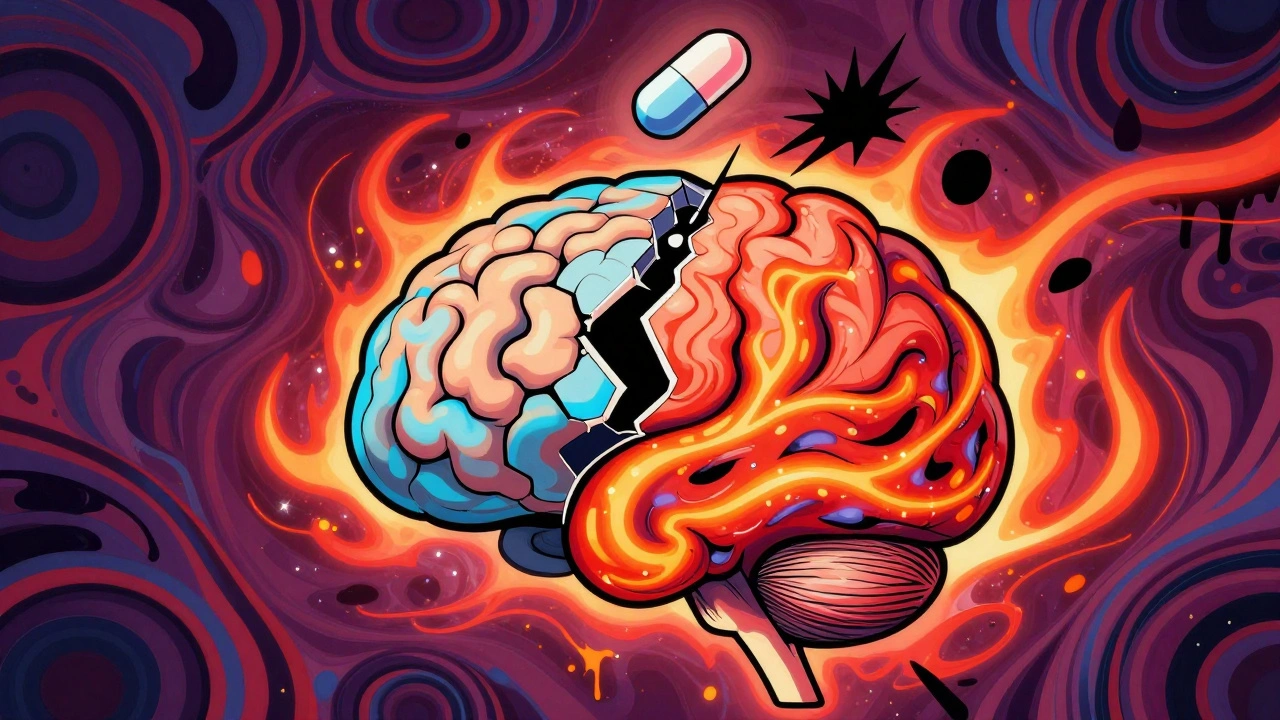
Antidepressants and Bipolar Disorder: When Treatment Risks Outweigh Benefits
Antidepressants can trigger mania in people with bipolar disorder, despite being commonly prescribed. Learn why safer, FDA-approved alternatives exist - and when antidepressants might still be used - with evidence-based risks and real-world data.
Bipolar Disorder: How Mood Stabilizers and Antipsychotics Work and What to Watch For
Learn how mood stabilizers and antipsychotics work for bipolar disorder, their real-world side effects, and how to balance effectiveness with tolerability. Includes current guidelines, patient experiences, and what’s new in 2025.