Deprescribing: When Stopping Medications Is the Right Choice
When you think of taking medicine, you probably think of getting better. But sometimes, the best thing for your health is to stop taking something. That’s deprescribing, the intentional process of reducing or stopping medications that are no longer needed, harmful, or mismatched with current health goals. Also known as medication reduction, it’s not about quitting treatment—it’s about choosing what truly helps. Many older adults take five, ten, or even more drugs at once. This isn’t just common—it’s dangerous. Too many meds can lead to falls, confusion, kidney damage, or even life-threatening interactions. The goal of deprescribing isn’t to stop everything. It’s to stop what’s doing more harm than good.
Deprescribing relates directly to polypharmacy, the use of multiple medications simultaneously, often without clear benefit. Also known as multiple drug use, it’s a growing problem, especially in seniors. A person might start a blood thinner for atrial fibrillation, then get prescribed an antihistamine for allergies, a painkiller for arthritis, and a sleep aid—all without anyone checking if they work together. That’s where drug interactions, when two or more medications affect each other’s effects or safety. Also known as medication conflicts, they can cause sedation, bleeding, or heart rhythm problems come in. We’ve seen cases where mixing opioids with antihistamines led to breathing failure. Or where grapefruit juice made a statin dangerously strong. Deprescribing asks: Is this still helping? Could it be hurting? Is there a safer alternative?
It’s not just about pills. It’s about priorities. A 75-year-old with mild high blood pressure might not need another drug if their real risk is falling. A person on long-term steroids might be better off tapering slowly than staying on them for years. Deprescribing isn’t a one-time decision. It’s a conversation—between you, your doctor, and your pharmacist. It’s asking: What’s my goal now? Am I taking this for me, or because it was started years ago? The posts below show real examples: how anticoagulants can be safer than feared, why black box warnings matter, how steroid tapering prevents crisis, and why stopping one drug can fix ten side effects. You’ll find clear, no-fluff advice on when to question a prescription, how to talk to your provider, and what to watch for when you reduce meds. This isn’t about skipping treatment. It’s about getting back to the right treatment—and leaving the rest behind.
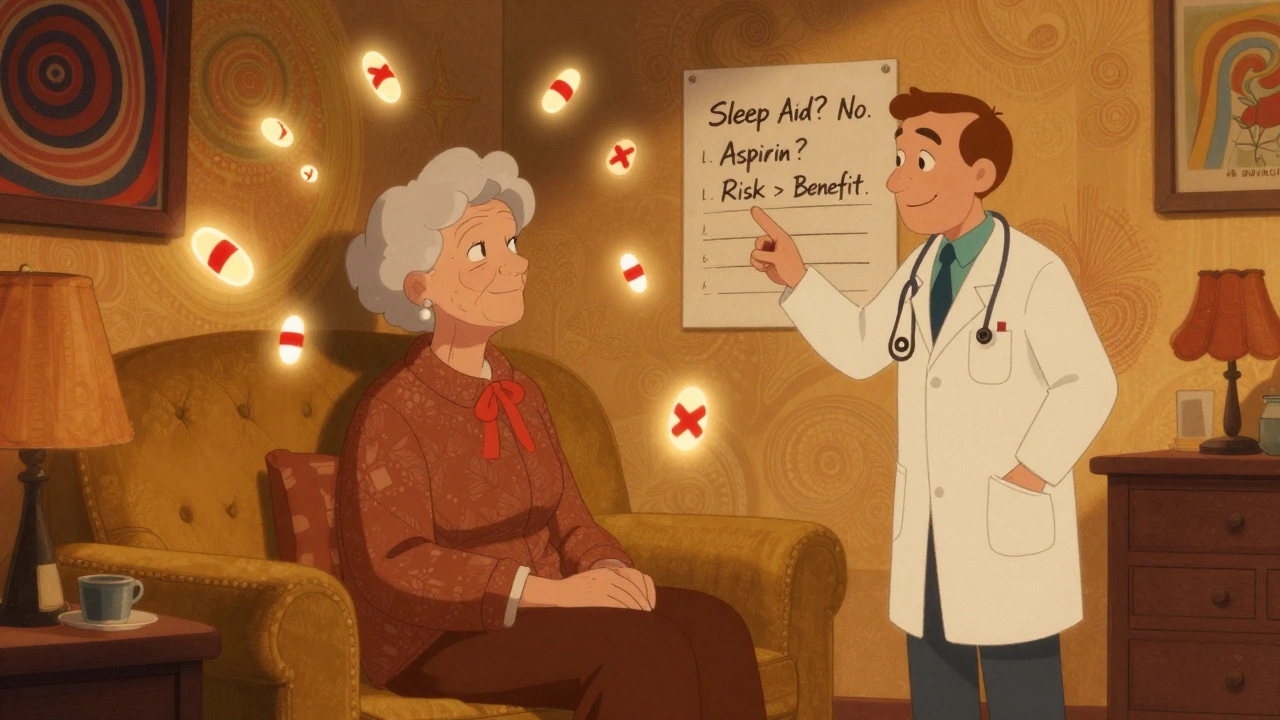
Deprescribing Research: What Happens When You Reduce Medications in Older Adults
Deprescribing research shows that carefully reducing unnecessary medications in older adults can improve safety, reduce falls, and boost quality of life-without increasing harm. Learn how it works and why it matters now.