Drug Safety: Protect Your Health from Dangerous Interactions and Side Effects
When you take a medication, you're not just treating a symptom—you're introducing a powerful chemical into your body. Drug safety, the practice of using medications in a way that minimizes harm while maximizing benefit. Also known as medication safety, it’s not just about avoiding overdoses—it’s about understanding how drugs talk to each other, how they affect your organs over time, and when the cure might be worse than the disease. Many people think side effects are rare, but the truth is, drug safety issues are one of the top causes of hospital visits in adults over 65. A simple painkiller like ibuprofen can quietly damage your kidneys. An antihistamine for allergies might throw off your heart rhythm. Even supplements like St. John’s Wort can cancel out your birth control or make your antidepressant useless. These aren’t edge cases—they’re everyday risks that most patients never hear about until something goes wrong.
That’s why knowing the details matters. QT prolongation, a heart rhythm disturbance triggered by certain drugs like hydroxyzine, can lead to sudden cardiac arrest—even in young, healthy people. Steroid tapering, the careful process of reducing corticosteroids like prednisone to avoid adrenal crisis isn’t optional—it’s life-saving. And drug interactions, when two or more medications clash in unpredictable ways, are behind some of the most dangerous outcomes, like muscle breakdown from simvastatin mixed with grapefruit juice, or liver damage from combining alcohol with certain antibiotics. These aren’t theoretical risks. They show up in real people, every day, in emergency rooms and doctor’s offices.
What you’ll find here isn’t a list of warnings—it’s a practical guide to spotting trouble before it starts. We cover how kidney inflammation hides behind vague symptoms, why some nausea meds are safer in pregnancy than others, and how to tell if your mood stabilizer is doing more harm than good. You’ll learn what to ask your doctor when a new prescription comes in, how to check for hidden interactions, and what symptoms you should never ignore. This isn’t about scaring you off meds—it’s about giving you the tools to use them wisely. Whether you’re on long-term steroids, managing chronic pain, or just trying to stay safe while taking a few pills a day, the information below will help you make smarter choices.

Patient-Reported Outcomes: How Your Daily Feedback Improves Drug Safety
Patient-reported outcomes let you directly share how you feel while taking medication-helping regulators and drug makers catch side effects doctors might miss. Your daily feedback improves drug safety for everyone.
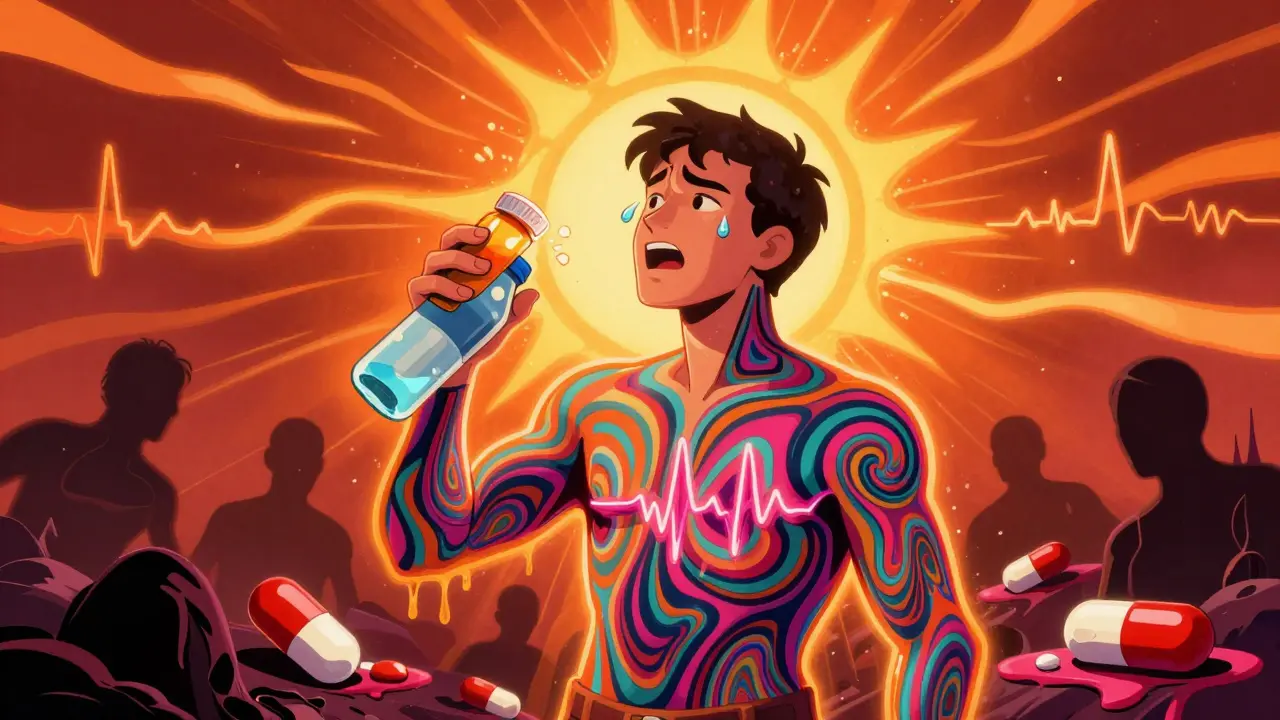
How to Manage Overdose Risk During Heatwaves and Illness
Heatwaves increase overdose risk by concentrating drugs in the blood, stressing the heart, and impairing judgment. Learn practical steps to reduce risk-hydration, dose reduction, cooling strategies, and how to access support during extreme heat.
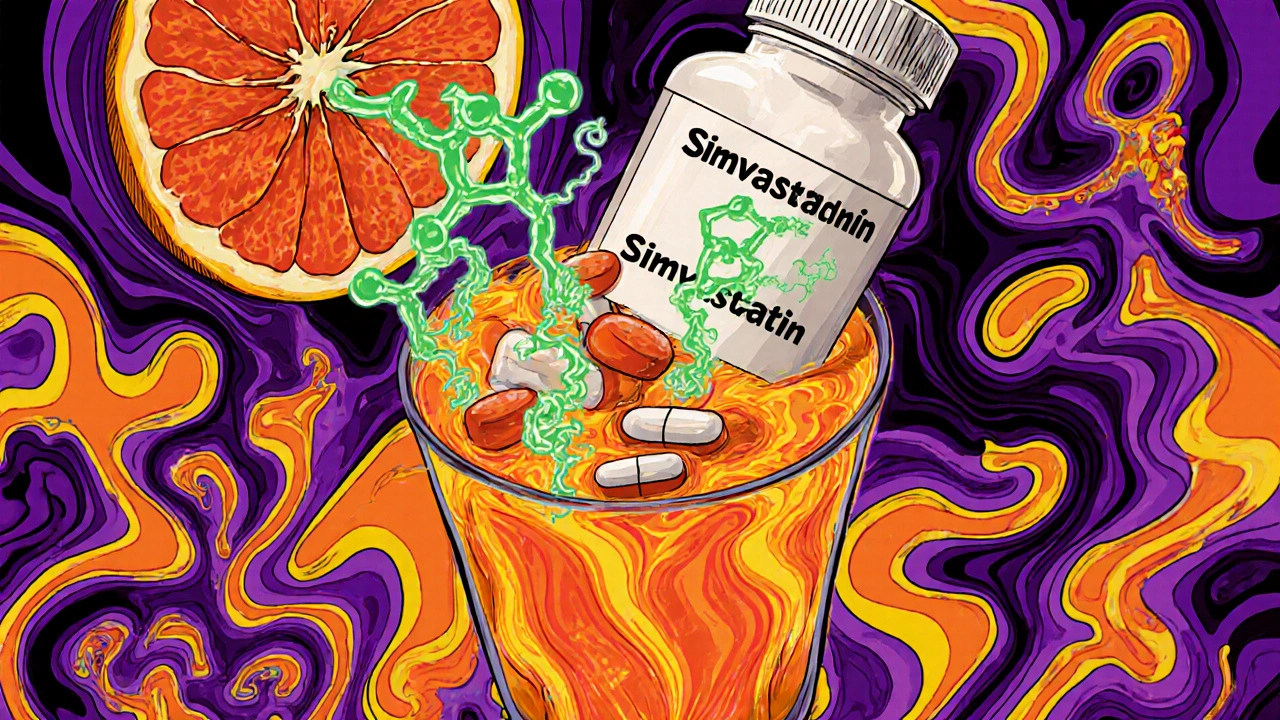
Grapefruit Juice and Medications: What You Need to Know Before You Drink
Grapefruit juice can dangerously increase drug levels in your blood by blocking a key enzyme. Learn which medications are at risk, why timing doesn't help, and how to stay safe.
Insurance Protections Against Counterfeit Drugs: What Coverage Really Covers
Counterfeit drugs pose serious health risks and financial exposure. Learn how insurance protects businesses in the pharmaceutical supply chain-and what it won't cover when fake medicines slip through.