Pain Catastrophizing: What It Is, How It Affects You, and What You Can Do
When you're in pain, your mind doesn't just notice it—it can spiral. Pain catastrophizing, a pattern of exaggerated negative thinking about pain that amplifies suffering and hinders recovery. It's not weakness, it's a well-documented brain response that turns discomfort into dread. People who catastrophize don’t just say, ‘This hurts.’ They think, ‘This will never end,’ ‘I can’t handle it,’ or ‘Something terrible is happening.’ And science shows those thoughts don’t just make you feel worse—they physically change how your body processes pain.
Chronic pain, persistent discomfort lasting beyond normal healing time, often 3 months or more is where pain catastrophizing hits hardest. It’s not just arthritis or back pain—it’s fibromyalgia, neuropathy, migraines, and post-surgery discomfort that lingers. When your brain gets stuck in a loop of fear and helplessness, it doesn’t just slow recovery—it makes you more sensitive to pain over time. Studies show people who catastrophize need higher doses of painkillers, take longer to heal after surgery, and are more likely to develop depression or anxiety alongside their physical symptoms.
But here’s the good news: pain management, a multidisciplinary approach to reducing pain impact through physical, psychological, and lifestyle strategies isn’t just about pills. Cognitive behavioral therapy, mindfulness, and even simple breathing techniques can rewire how your brain reacts to pain. You’re not stuck with this pattern. Many people learn to break the cycle—not by ignoring pain, but by changing how they talk to themselves about it.
What you’ll find in these articles aren’t generic tips. They’re real stories and science-backed strategies from people who’ve been there. You’ll see how pain catastrophizing shows up in daily life, how it connects to conditions like fibromyalgia and long-term steroid use, and what tools actually help—like CBT for tinnitus, shared decision-making in autoimmune care, or managing side effects from radiation. This isn’t about positive thinking. It’s about understanding the link between your mind and your body, and taking back control, one thought at a time.
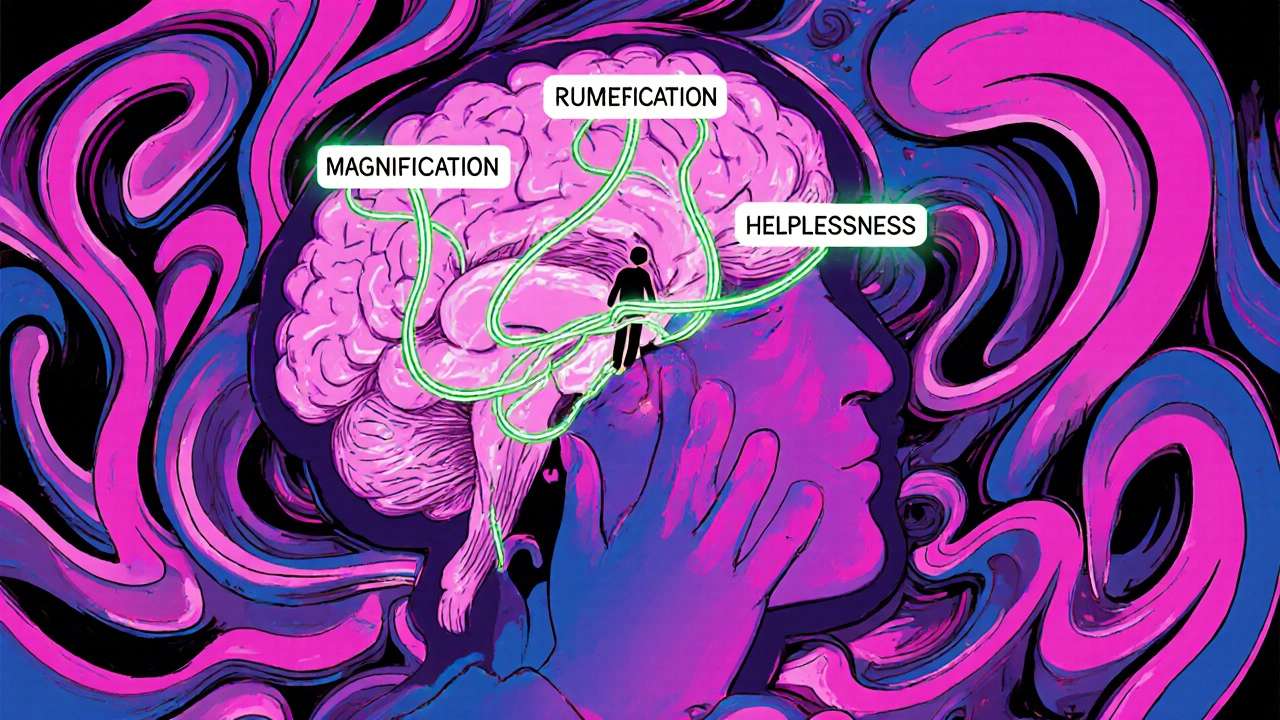
Pain Catastrophizing: CBT Tools to Reduce Distress
Pain catastrophizing makes chronic pain feel worse by amplifying fear and helplessness. Learn how CBT tools like self-monitoring and cognitive restructuring can reduce distress and improve daily function without denying physical pain.