Psoriasis Triggers: What Flares Up Your Skin and How to Manage It
When your skin suddenly turns red, scaly, and itchy, you’re not just dealing with a rash—you’re facing a flare-up of psoriasis, a chronic autoimmune condition where the immune system mistakenly attacks healthy skin cells, causing rapid skin cell buildup. Also known as plaque psoriasis, this isn’t just cosmetic—it affects how you move, sleep, and feel about yourself. Unlike eczema or simple dry skin, psoriasis comes from inside your body, not outside. And while there’s no cure, knowing what sets it off is your best tool for staying in control.
Common psoriasis triggers, factors that cause the immune system to go into overdrive and worsen skin symptoms include stress, infections like strep throat, certain medications, and even cold, dry weather. You might not realize that a simple sore throat or a new blood pressure pill could be behind your flare-up. Stress, a well-documented amplifier of immune responses is one of the biggest culprits—studies show that people who report high stress levels are far more likely to see their psoriasis worsen. Even skin injuries, like cuts, sunburns, or tattoos, can trigger new patches where the skin was damaged. This is called the Koebner effect, and it’s real.
Some medications can make things worse, too. Beta-blockers for high blood pressure, lithium for bipolar disorder, and even some anti-malarial drugs have been linked to flare-ups. And while you might think of alcohol or smoking as just bad habits, they’re also direct triggers—smokers are twice as likely to develop psoriasis, and heavy drinking makes existing cases harder to treat. On the flip side, weight gain, especially around the belly, adds more inflammation to your system and makes symptoms tougher to manage.
What you eat doesn’t cause psoriasis, but some people notice their skin reacts to gluten, sugar, or processed foods. It’s not universal, but if you’ve tried everything else and still flare up, it’s worth tracking your meals. Sleep matters too—poor sleep raises stress hormones and weakens your body’s ability to calm inflammation. And don’t forget the sun: while a little sunlight helps most people, too much can burn and trigger new plaques.
You’ll find posts here that dig into how specific drugs, from anticoagulants to antidepressants, might affect your skin. Others explain how stress and sleep interact with your immune system, or how managing weight can reduce flare-ups. These aren’t vague tips—they’re based on real patient experiences and clinical findings. Whether you’re new to psoriasis or have been dealing with it for years, this collection gives you the practical, no-fluff facts you need to spot your triggers before they spike.
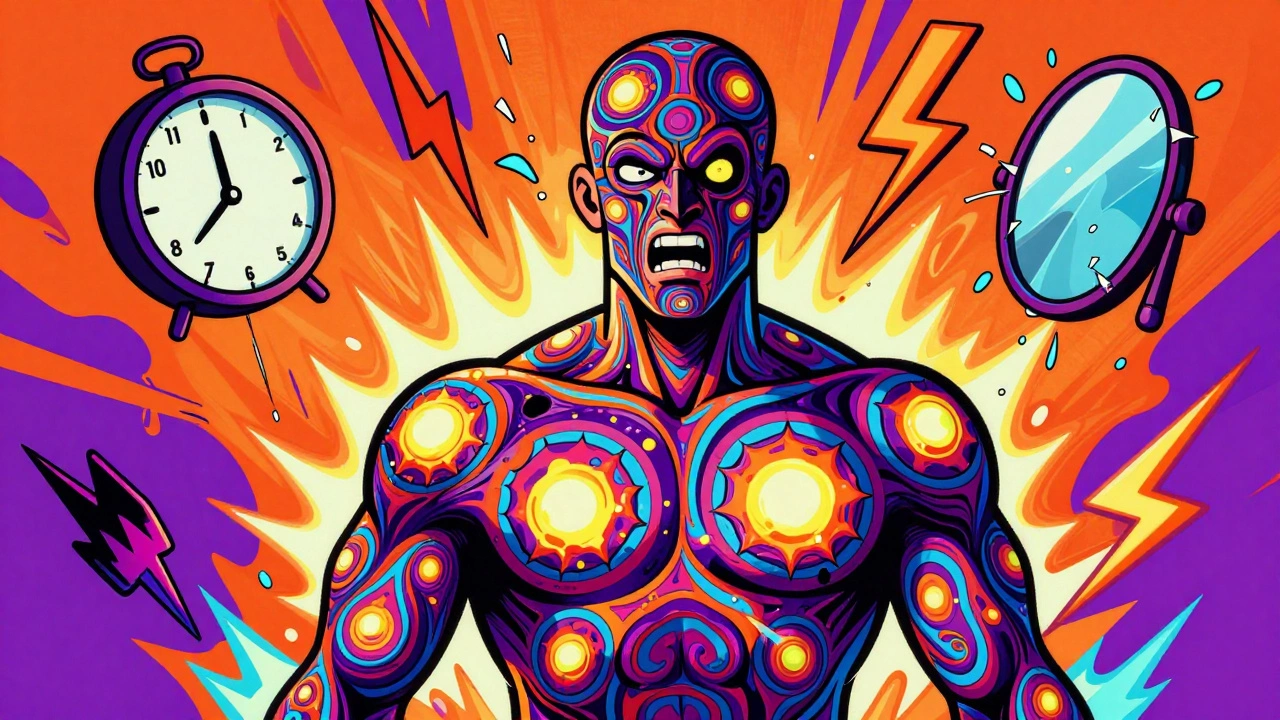
Psoriasis Triggers: How Stress, Infections, and Skin Barrier Damage Cause Flares
Learn how stress, infections, and a damaged skin barrier trigger psoriasis flares-and what you can do every day to reduce them. Evidence-based tips for real-life control.