Medication Safety and Health Insights from November 2025
When it comes to medication safety, the practice of using drugs correctly to avoid harm while maximizing benefit. Also known as drug safety, it’s not just about following prescriptions—it’s about understanding hidden risks that can turn a helpful pill into a dangerous one. In November 2025, our most-read articles dug into real-world dangers most people never see coming: grapefruit juice turning your statin into an overdose, hydroxyzine quietly stretching your heart’s rhythm, or a simple NSAID triggering sudden kidney inflammation. These aren’t rare edge cases—they’re everyday risks hiding in plain sight.
One major theme across these posts is drug interactions, when one substance changes how another works in your body. St. John’s Wort isn’t just a herbal tea—it can strip birth control and antidepressants of their power. Grapefruit juice doesn’t just affect one drug—it blocks the enzyme that clears over 85 medications, making timing useless and avoidance essential. Then there’s kidney damage, a silent side effect triggered by common prescriptions like NSAIDs and antibiotics. Acute interstitial nephritis doesn’t always cause pain—it shows up as fatigue, swelling, or just a weird lab result. And QT prolongation, a heart rhythm disturbance that can lead to sudden cardiac arrest. isn’t just a footnote on hydroxyzine’s label—it’s a real threat for older adults, those with electrolyte imbalances, or anyone taking multiple heart-affecting drugs.
But safety isn’t just about avoiding harm. It’s also about access. Medicare Part D, the U.S. prescription drug benefit for seniors and disabled people. changed in 2025 with a $2,000 out-of-pocket cap, making generics effectively free after you hit the limit. Yet most people don’t know how formulary tiers work, or how to find copay help for low-cost meds—even if they earn too much for Medicaid. And when you’re on long-term steroids, managing side effects like bone loss or weight gain isn’t optional—it’s part of the treatment. That’s why this collection includes practical guides on tapering safely, protecting your skin during radiation, and using CBT to break the cycle of chronic pain distress.
These aren’t abstract medical concepts. They’re the things people call their pharmacist about at 9 p.m., the questions they Google after a doctor’s appointment, the warnings they ignore until it’s too late. What you’ll find below is a curated set of clear, no-fluff guides written for real people dealing with real meds—whether you’re managing bipolar disorder with lithium, choosing between alcohol dependence treatments, or wondering if ginger really helps morning sickness. No jargon. No marketing. Just what you need to know to stay safe, save money, and take back control.
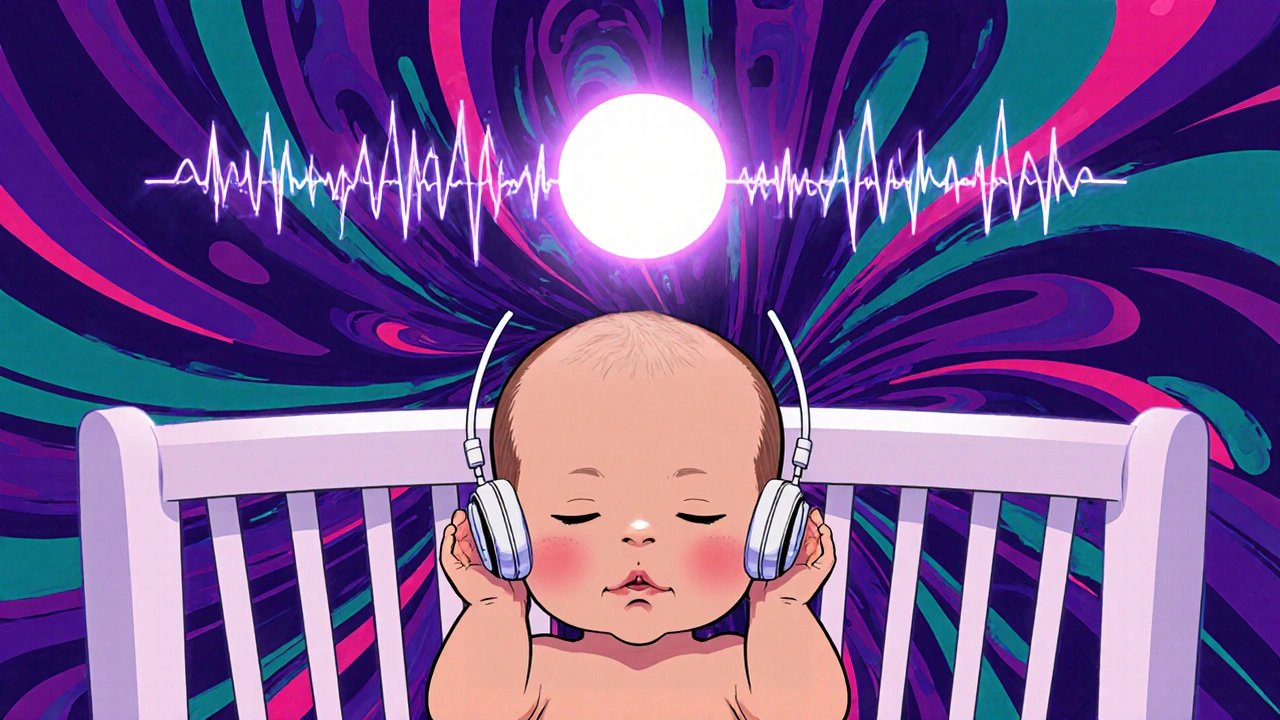
Pediatric Hearing Loss: Screening, Causes, and Early Intervention
Pediatric hearing loss can impact speech, learning, and social development-but early screening and intervention before six months can lead to near-normal language outcomes. Learn the causes, screening timeline, and proven strategies to help children thrive.
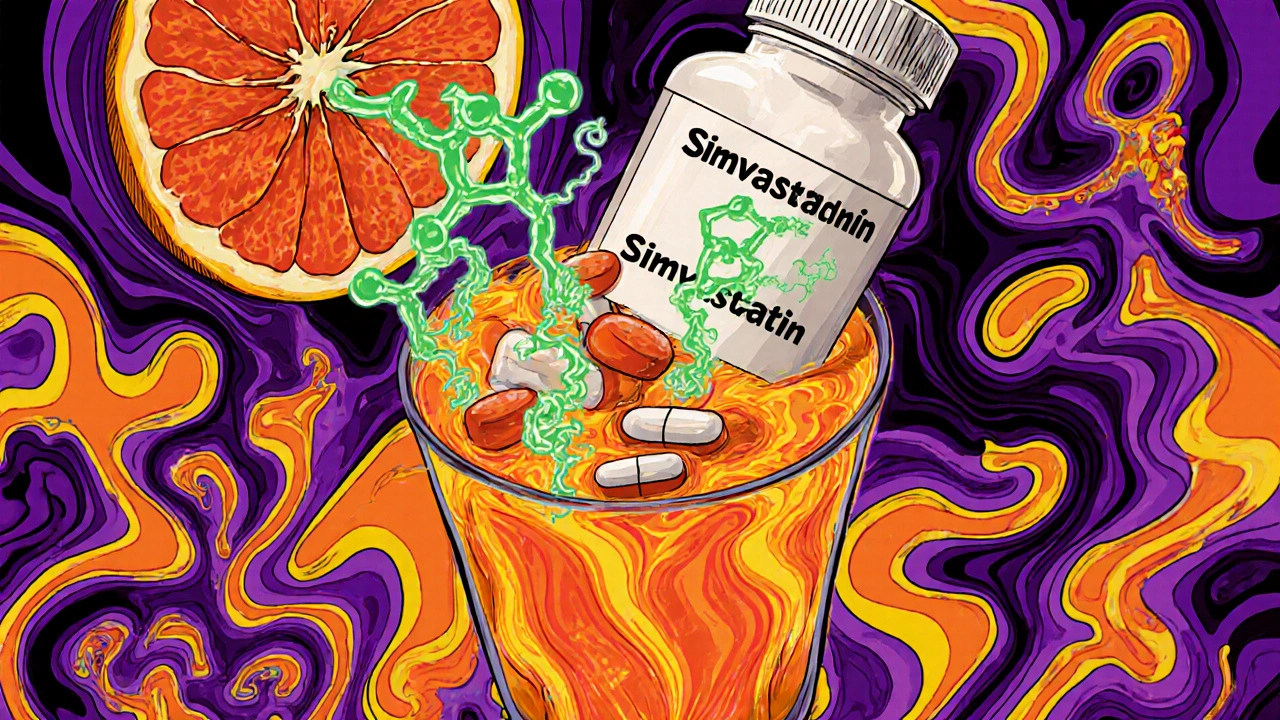
Grapefruit Juice and Medications: What You Need to Know Before You Drink
Grapefruit juice can dangerously increase drug levels in your blood by blocking a key enzyme. Learn which medications are at risk, why timing doesn't help, and how to stay safe.
Insurance Protections Against Counterfeit Drugs: What Coverage Really Covers
Counterfeit drugs pose serious health risks and financial exposure. Learn how insurance protects businesses in the pharmaceutical supply chain-and what it won't cover when fake medicines slip through.
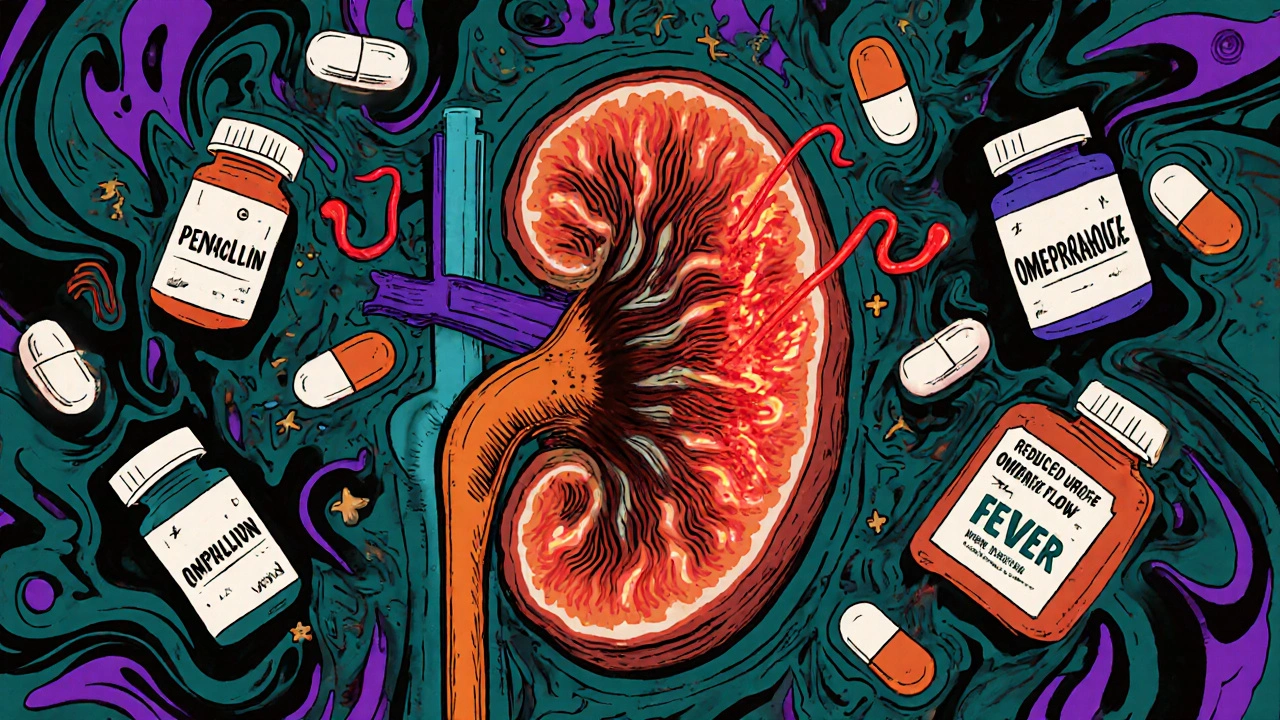
Acute Interstitial Nephritis from Medications: Signs, Causes, and What to Do
Medication-induced acute interstitial nephritis is a hidden cause of kidney damage. Learn the signs, which drugs trigger it, what to do if you suspect it, and how to protect your kidneys long-term.
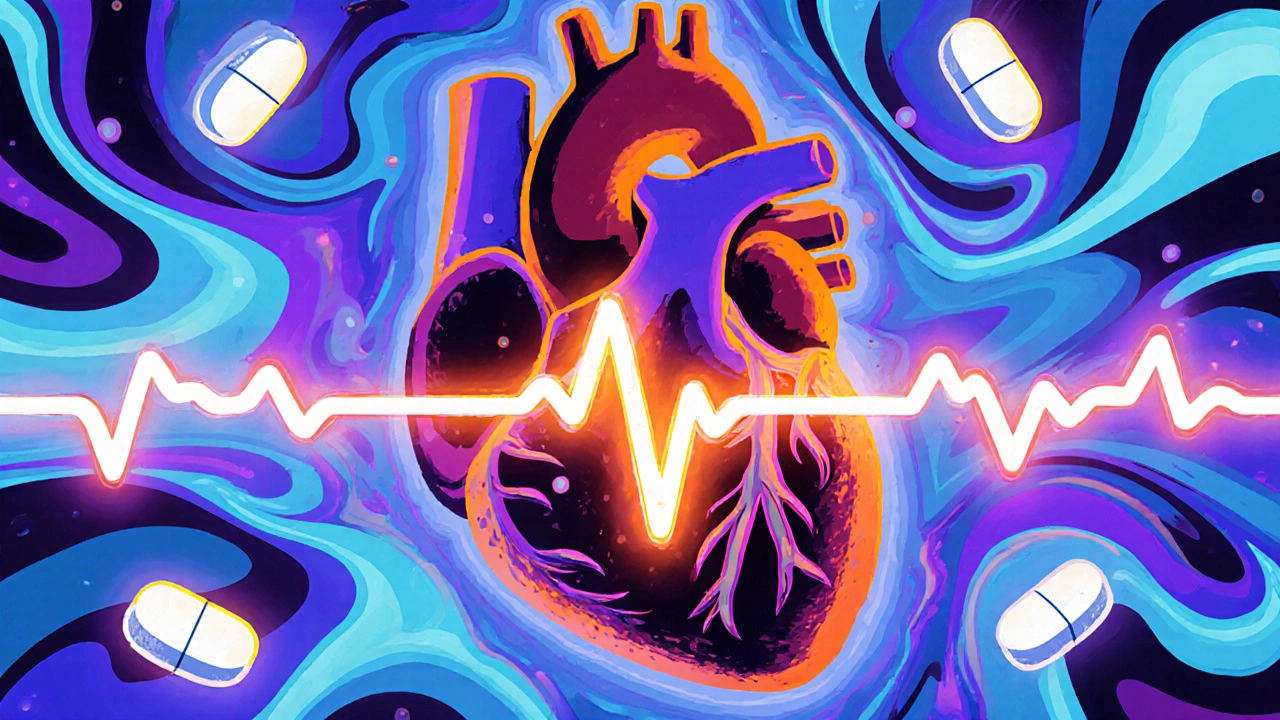
Hydroxyzine and QT Prolongation: What You Need to Know About the Cardiac Risk
Hydroxyzine is commonly prescribed for anxiety and itching, but it carries a risk of QT prolongation that can lead to dangerous heart rhythms. Learn who’s at risk, what doses are safe, and safer alternatives.
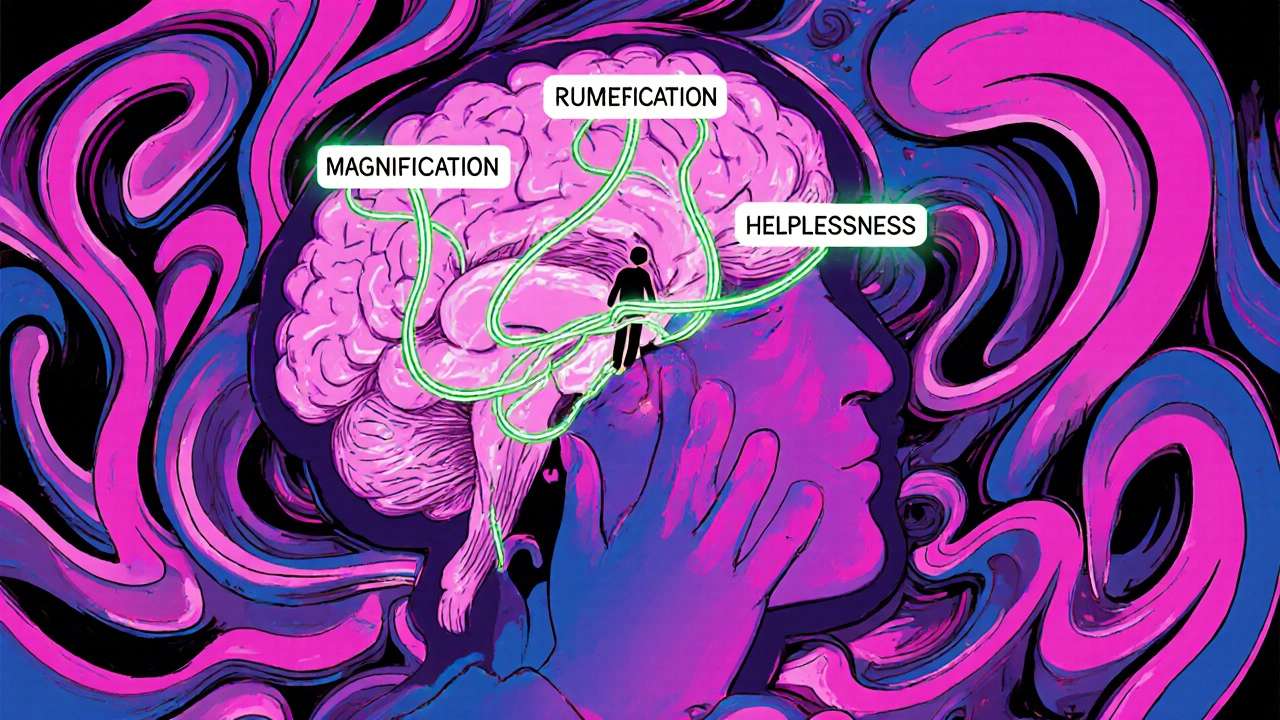
Pain Catastrophizing: CBT Tools to Reduce Distress
Pain catastrophizing makes chronic pain feel worse by amplifying fear and helplessness. Learn how CBT tools like self-monitoring and cognitive restructuring can reduce distress and improve daily function without denying physical pain.
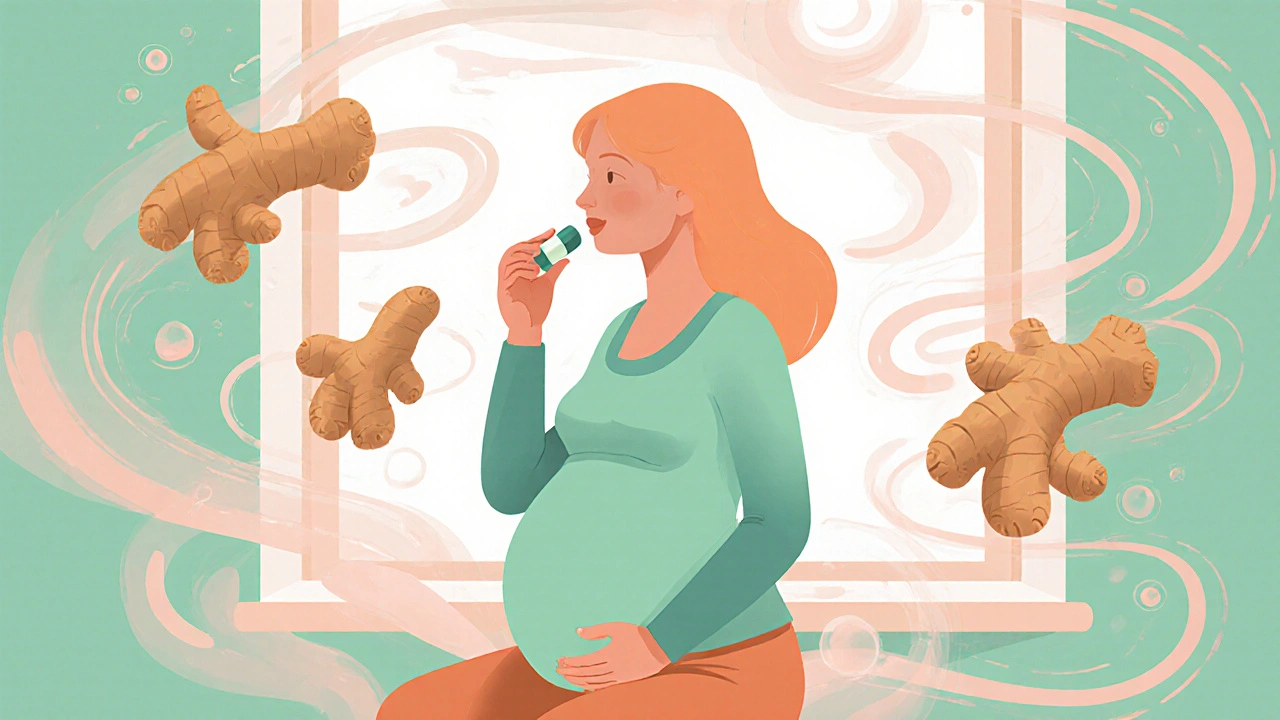
Nausea Medications in Pregnancy: Safe Options and Real Risk Profiles
Learn which nausea medications are safe during pregnancy and which carry hidden risks. Evidence-based options from ginger to Diclegis, and why ondansetron should be a last resort.
Bipolar Disorder: How Mood Stabilizers and Antipsychotics Work and What to Watch For
Learn how mood stabilizers and antipsychotics work for bipolar disorder, their real-world side effects, and how to balance effectiveness with tolerability. Includes current guidelines, patient experiences, and what’s new in 2025.
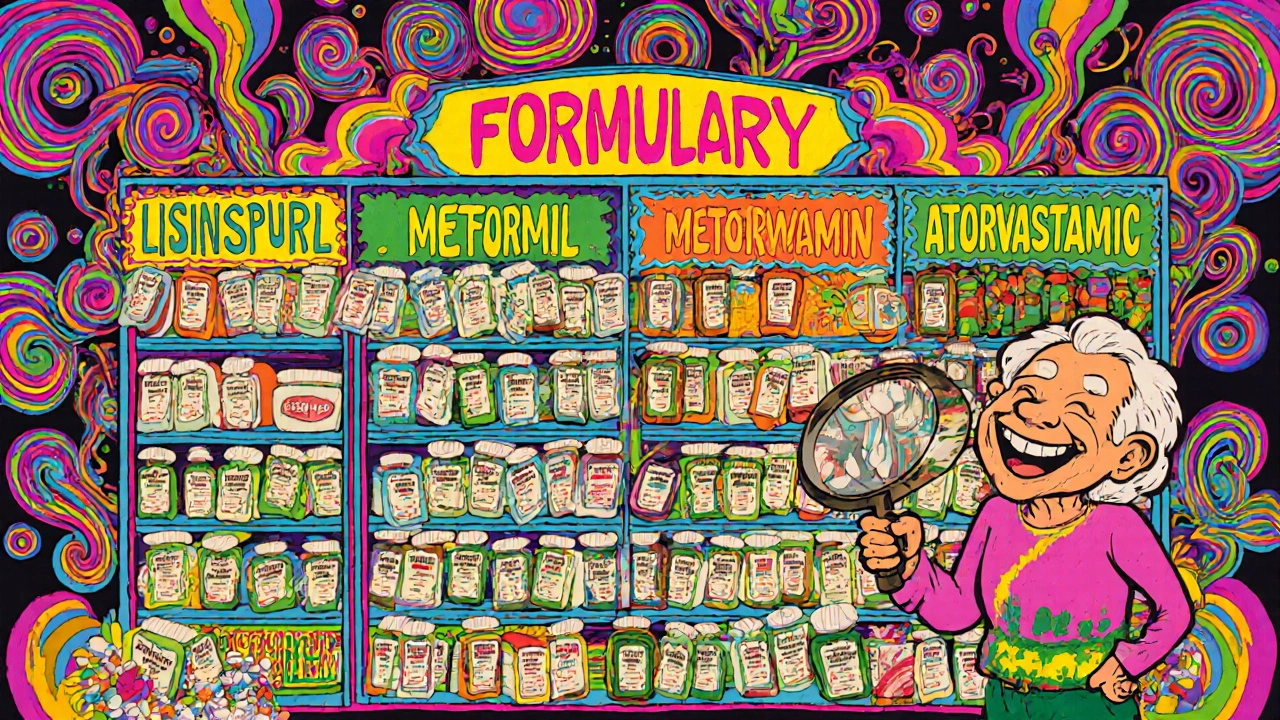
Medicare Part D Formularies: How Generic Coverage Works in 2025
Medicare Part D formularies use tiered pricing to make generics affordable. In 2025, a $2,000 out-of-pocket cap means generics can become free after you hit the limit. Know how tiers work, how to check your plan, and how to save money.
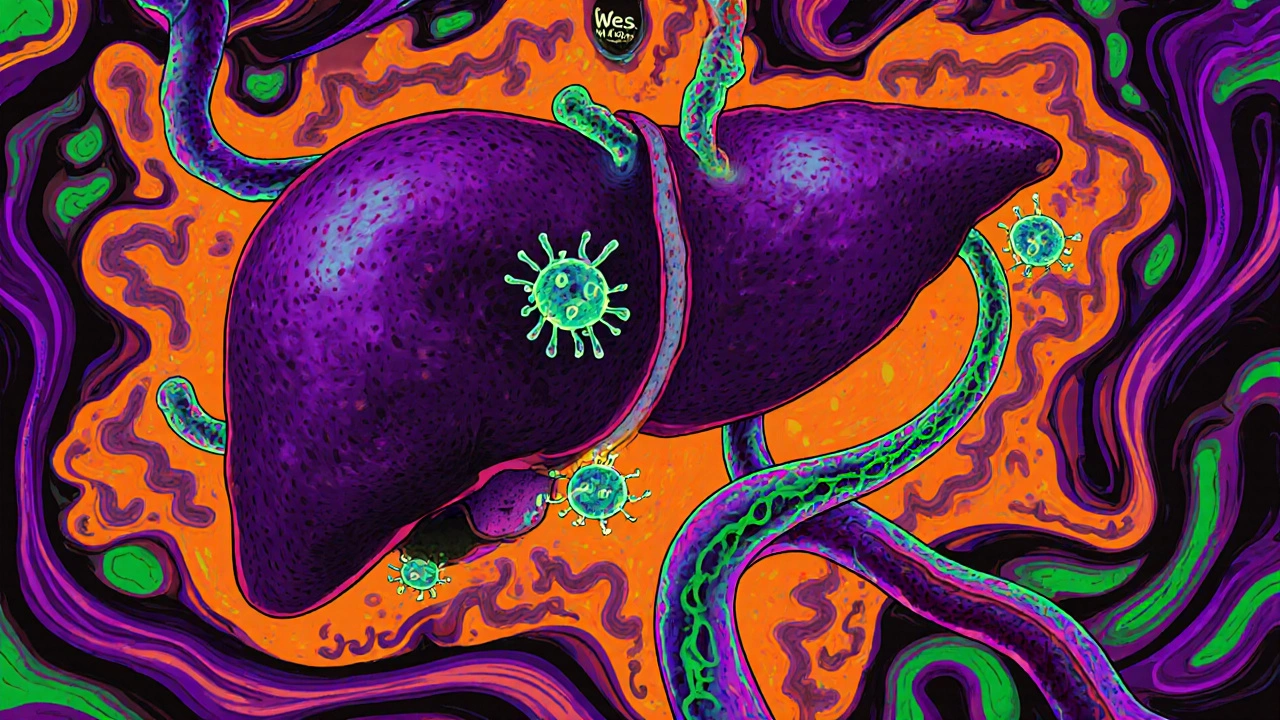
Primary Sclerosing Cholangitis: Understanding the Progressive Bile Duct Disease
Primary Sclerosing Cholangitis (PSC) is a rare, progressive liver disease that scars bile ducts, leading to liver damage. No cure exists, but symptom management, regular monitoring, and emerging therapies offer hope. Learn how it’s diagnosed, treated, and why early care matters.