Author: Katie Law
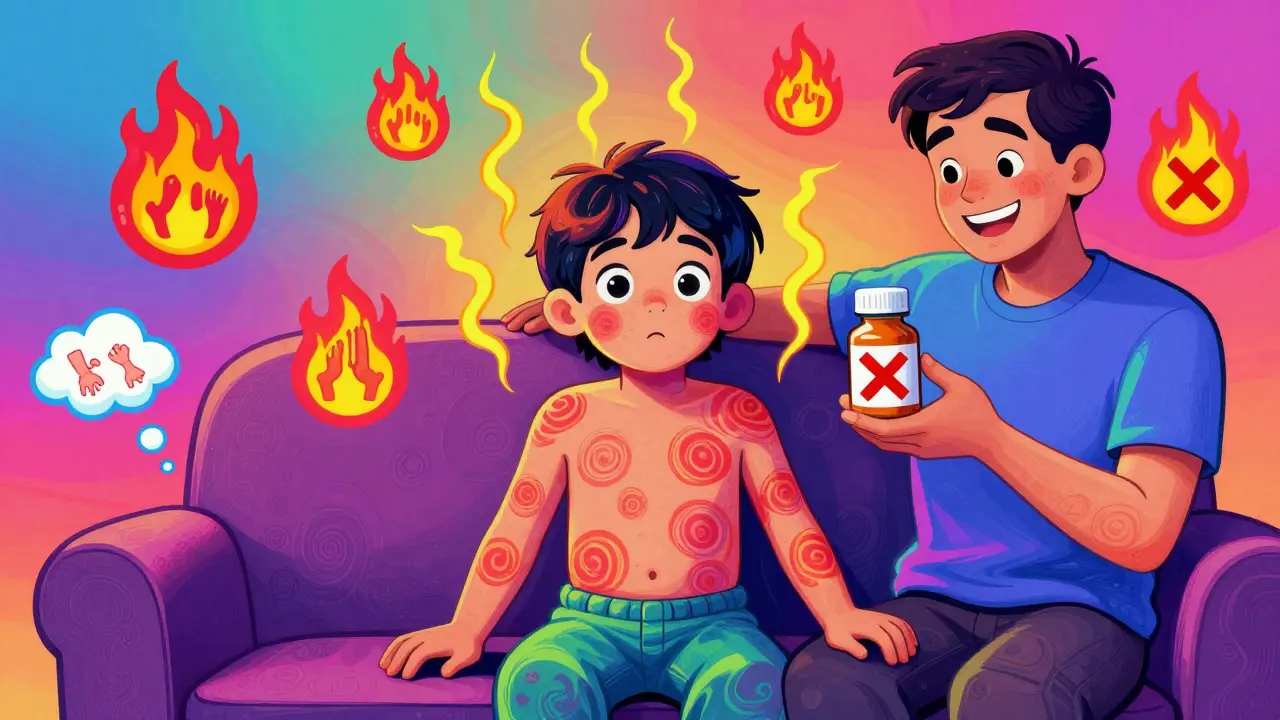
Serum Sickness-Like Reactions: Understanding Delayed Antibiotic Hypersensitivity in Children
Serum sickness-like reactions are delayed, non-allergic responses to antibiotics like cefaclor, mostly in young children. They cause rash, fever, and joint pain but resolve quickly - and don’t require lifelong antibiotic avoidance.

Zinc Supplements and Antibiotics: How to Separate Doses for Best Absorption
Zinc supplements can reduce the effectiveness of antibiotics like doxycycline and ciprofloxacin. Learn how to time your doses to avoid this interaction and ensure your treatment works.
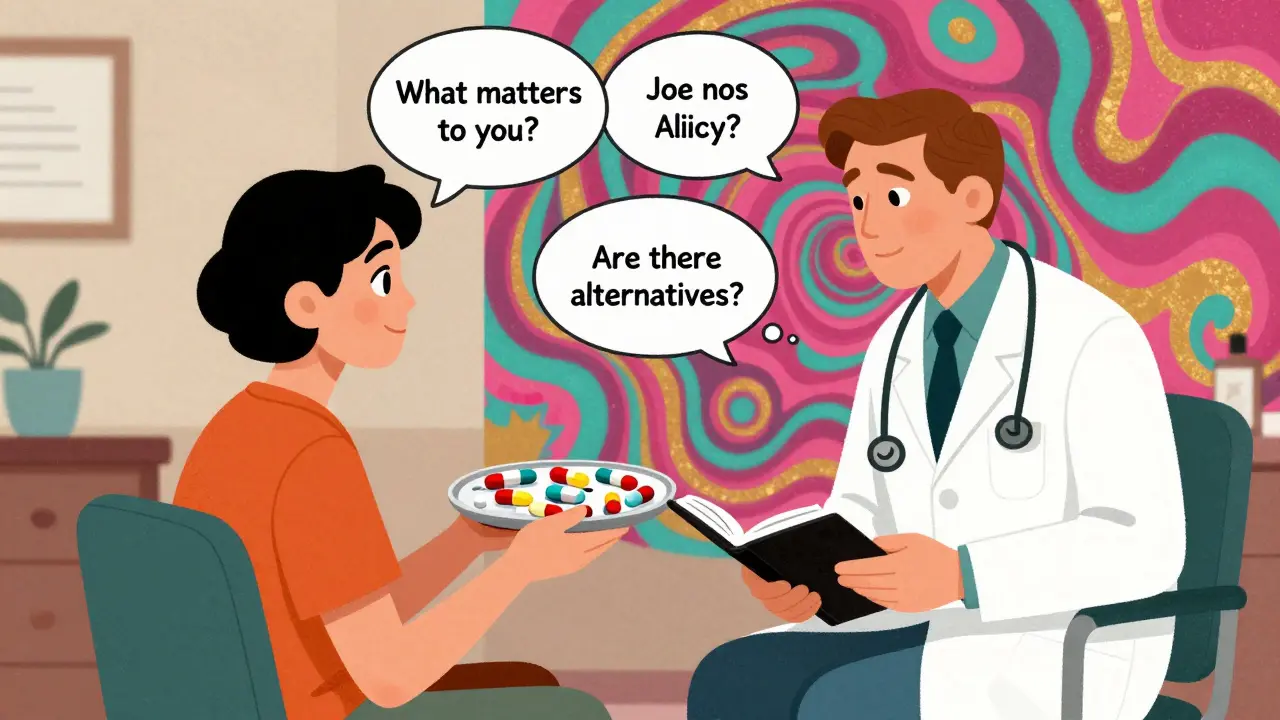
Control and Choice: How Patients Take Back Autonomy in Medication Selection
Medication autonomy means you have the right to choose your own treatments based on your values, not just your doctor’s recommendation. Learn how informed choice, cost, side effects, and digital tools are reshaping how patients take control of their care.

Radiation vs. Surgery: Choosing Local Control Strategies for Cancer
Radiation and surgery are two key options for treating localized cancer. Learn how they compare in effectiveness, side effects, and real-life impact-especially for prostate and lung cancer.
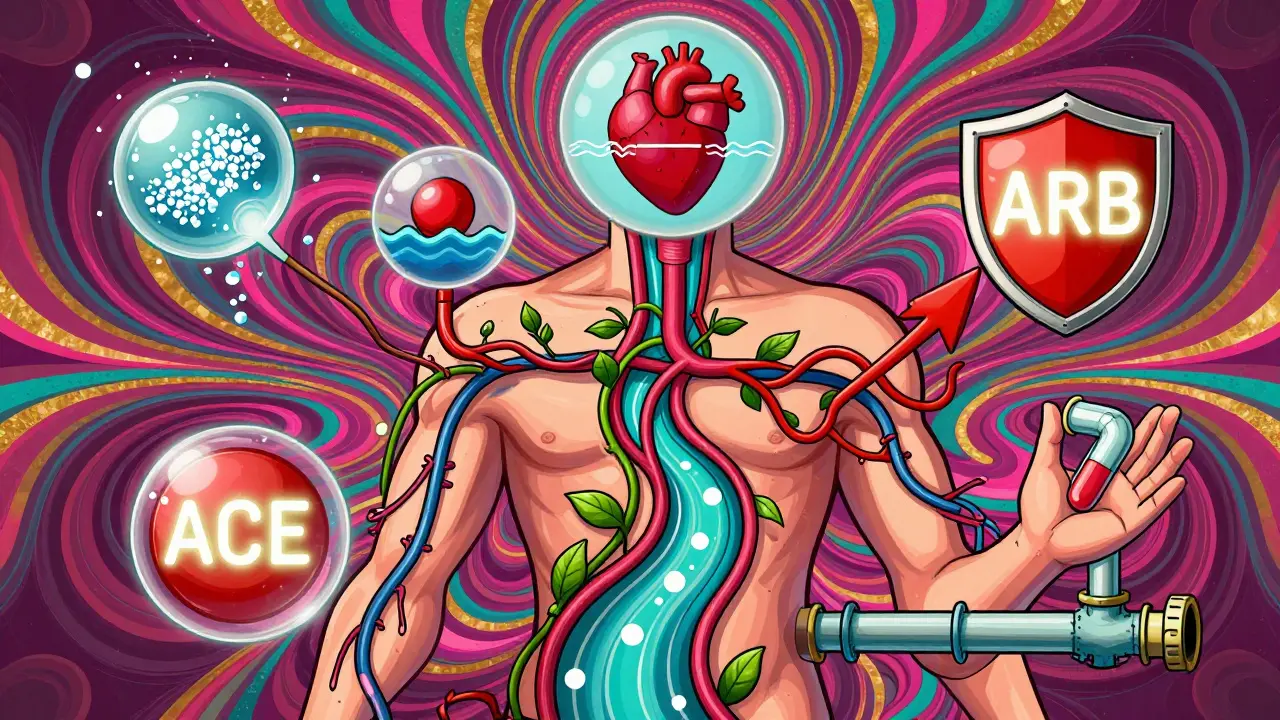
Blood Pressure Medications: Types, Side Effects, and Safety
Learn about the main types of blood pressure medications, their common side effects, safety risks, and why combination therapy is often needed. Understand how to stay safe while managing hypertension long-term.

Autoimmune Overlap: When PBC, PSC, and AIH Mix Together
Autoimmune liver overlap syndromes like AIH-PBC occur when the immune system attacks both liver cells and bile ducts. Learn how diagnosis works, why treatment must be combined, and what happens if it's missed.

NSAIDs and Heart Failure: How Common Painkillers Increase Fluid Retention and Hospitalization Risk
NSAIDs like ibuprofen and naproxen can cause dangerous fluid retention in heart failure patients, increasing hospitalization risk even with short-term use. Learn why all NSAIDs are unsafe and what to take instead.
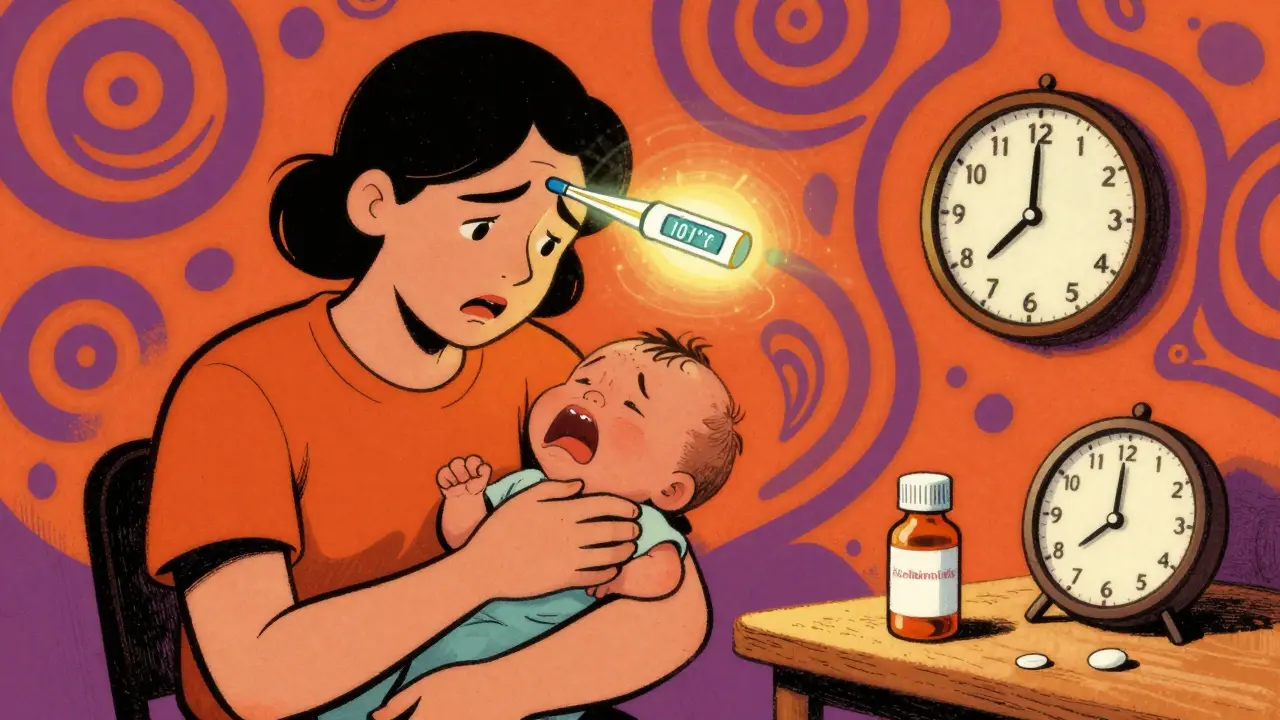
Vaccination and Fever Reducers: When to Give Medication to Children
Learn when to give fever medicine after your child's vaccination. Delaying acetaminophen or ibuprofen for at least 4 hours helps ensure vaccines work as intended without compromising safety.

Medications and Athletes: How Common Drugs Affect Performance and Health
Performance-enhancing drugs may boost athletic results, but they come with serious, often irreversible health risks-including heart damage, hormonal collapse, and permanent physical changes. Most users aren't pros-they're everyday gym-goers unaware of the long-term cost.
Antibiotics and Warfarin: How to Manage INR Spikes and Prevent Bleeding
Antibiotics can cause dangerous INR spikes in people taking warfarin, leading to life-threatening bleeding. Learn which antibiotics are most risky, how to monitor your levels, and what steps to take to stay safe.